Enquire Now Call Us Email Us

Top Benefits Of Using Silicone Joint Sealant In Construction

When we talk about building something in the UAE, there’s one thing we can’t afford to ignore: the environment we build in. We’re not just dealing with standard weather here. We’re dealing with scorching summer heat that can reach over 45°C, intense UV rays from our desert sun, sandstorms that sweep across the city, and occasional heavy rains that come in fast and strong. All of these factors can take a serious toll on a building’s structure over time.

That’s why at Organix, we take sealing seriously. A gap in your windows, a crack in your roof joint, or a poorly sealed bathroom corner may seem like a small issue, but in the UAE, it can quickly turn into water leaks, energy loss, and costly repairs. The right sealant isn’t just about finishing touches; it’s about protection, performance, and peace of mind. And for that, there’s one clear choice: silicone joint sealant.

In this blog, let’s walk through the top benefits of using silicone joint sealant—why it’s trusted in the UAE construction industry, where it works best, and why Organix is the go-to source for high-quality solutions.

  1. Superior Weather Resistance: Our climate doesn’t cut corners, and neither should sealants. Silicone joint sealant stands up to:

• Extreme Heat – Retains flexibility even beyond 200 °C.
• UV Exposure – Doesn’t crack or degrade under relentless sun.
• Rain & Moisture – Forms a reliable waterproof barrier, perfect for roofs, bathrooms, and facades.

Trust that Organix silicone sealants are engineered for Gulf-level endurance, meaning we won’t give in to the elements.

  1. Excellent Flexibility & Movement Accommodation: Think of a high-rise in downtown Dubai expanding under heat, cooling at night. A rigid sealant simply can’t keep up. Silicone deforms, moves, and hugs the shifting structure without letting go.

Our chosen product, SealFlex SS-T56 Silicone Joint Sealant, offers:

• Up to 25% elongation, so your joints stretch, contract, and remain crack-free.
• A fast-curing, robust seal that performs consistently even under movement.

  1. Strong Adhesion To Multiple Surfaces: Whatever you’re sealing, glass, concrete, metal, or plastic, silicone doesn’t discriminate. Its adhesion is unmatched:

• Glass & facades stay leak-free.
• Expansion joints in concrete remain secure.
• Metal ducts and pipes stay sealed without corrosion or drift.

SealFlex SS-T56 bonds brilliantly to plastics, tiles, wood, and concrete, ensuring that every surface stays reliably sealed. Organix

  1. Long-Lasting Durability: No one enjoys backtracking to re-seal a joint every year. Silicone stays strong and elastic over time, resisting mold, turning, and breakdown.

SealFlex SS-T56 is:

• Highly resistant to mold, mildew, oils, acids, and aging.
• Designed for industrial-level use, like busy roads or heavy-duty expansion joints.
• Offered in both cartridge and bulk options, with a 12-month shelf life under proper storage.

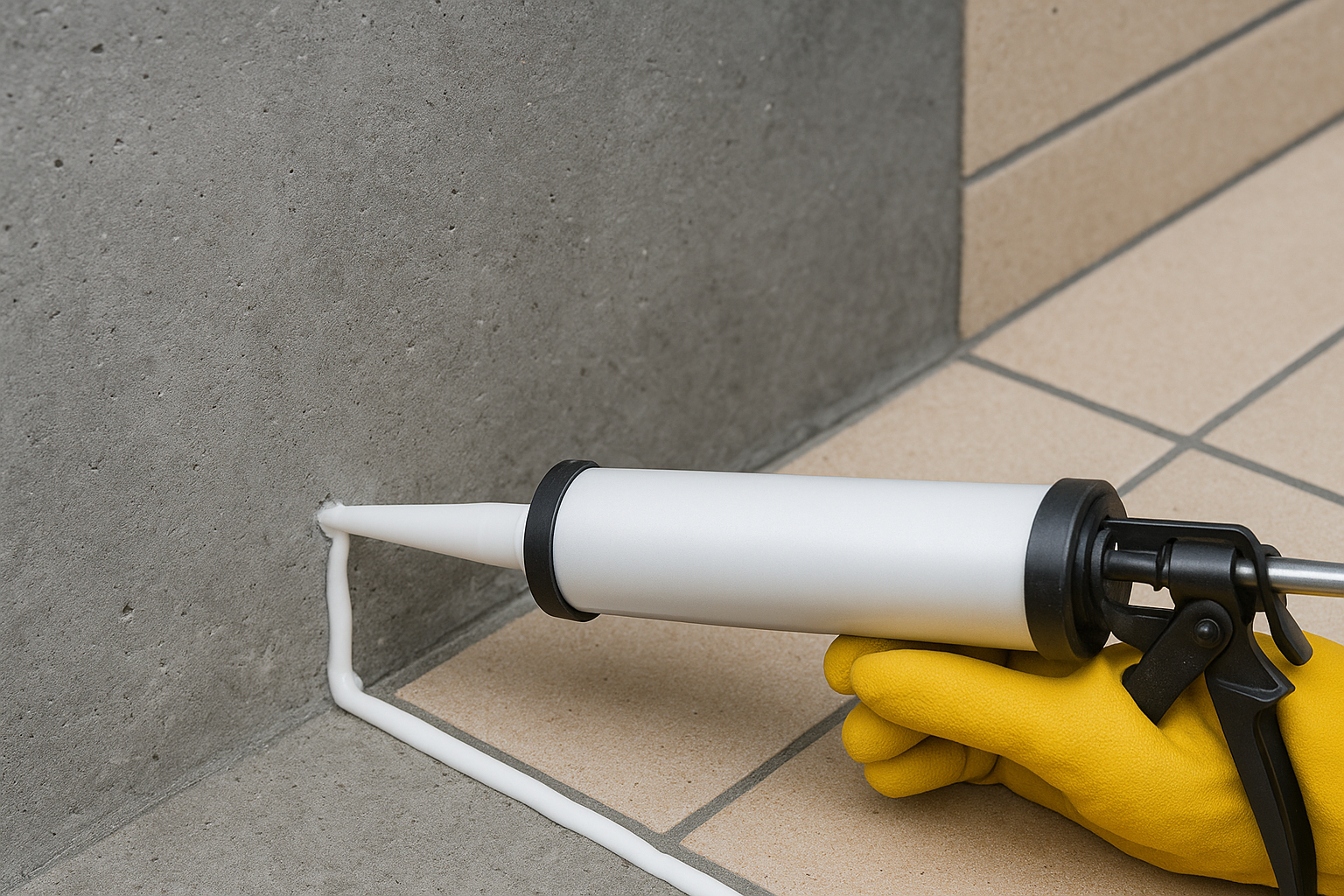
  1. Easy Application & Smooth Finish: We’ve all had moments wrestling with a messy sealant tube, right? With silicone joint sealant, especially SealFlex SS-T56, application is clean, simple, and perfect:

• Goes on smooth, with no sagging or dripping.
• Fast curing therefore reduces downtime.
• Finish stays airtight and watertight, improving both performance and appearance.

  1. Fire Resistance For Safety: In a city skyline as striking as ours, safety isn’t optional. Certain silicone sealants are fire-rated and are trusted to slow down flame spread in high-rise buildings. This adds another layer of protection to your structural design without compromise.
  2. Cost-Effective In The Long Run: Yes, silicone might cost more upfront, but here’s the deal: you pay once and benefit for years. Fewer reapplications reduce labor, better sealing means fewer leaks and repairs, and real longevity delivers a stronger ROI over the building’s lifetime.
  3. Environmentally Friendly Options: We know building green matters. Many silicone sealants—including those from Organix—are low-VOC and non-toxic, making them suitable for sensitive environments like schools and hospitals.

Spotlight Product: Sealflex Ss-T56 Silicone Joint Sealant

Let’s zoom in on the hero of our blog, the SealFlex SS-T56:

• Fast-curing, single-part silicone that reacts with atmospheric moisture and forms a rubbery, durable seal.
• Outstanding flexibility—perfect for joints that expand or contract.
• Broad adhesion—sticks confidently to plastics, ceramics, wood, and concrete.
• Tough resistance—handles mold, oil, weathering, acids, and aging.
• Versatile applications—from road construction joints to cladding, industrial floors, expansion joints, and draught proofing.
• Packaging that suits your scale—from cartridges to industrial bulk pails. Plus, a 12-month shelf life in proper storage.

Why Organix Silicone Joint Sealants Work For You?

When we say we understand your challenges, we mean it. Our products are:

• Engineered for Gulf conditions—desert heat, UV load, sand, sudden storms.
• Tried and trusted—our sealants feature in major UAE projects.
• Versatile in range—be it general-purpose, fire-rated, or fast-curing silicone.

When you’re next specifying sealants for your project—residential, commercial, or industrial—make it easy: choose Organix. Our products are built for your environment, made to last, and backed by expertise.

Ready to seal your next project with confidence? Visit Organix now and discover the silicone joint sealant that matches your vision: strong, flexible, and built to last.
How To Prevent Rust And Corrosion With Metal Waterproofing

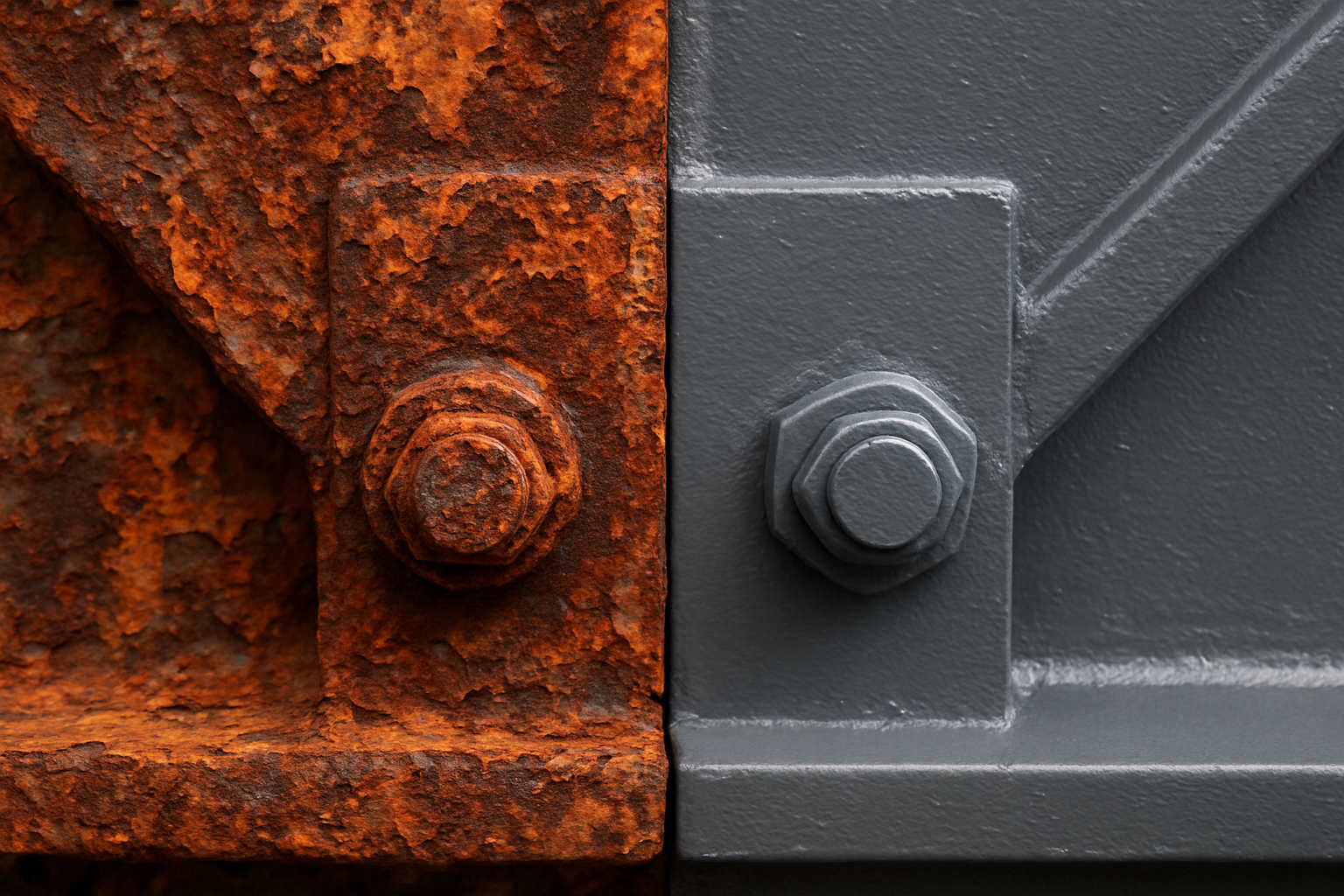
We’ve seen families frustrated by rust-stained balconies, factories struggling with corroded machinery, and even structural beams that needed expensive repairs long before their time. Rust doesn’t make a grand entrance. It creeps in quietly, first a faint orange tint on the corner of a gate, then a few flakes on your car’s underbody, and before you know it, the metal you depend on every day is weakened and brittle. Living in the UAE, we see it happen all too often. Our climate, scorching heat, salty sea breeze, and humid air turn metal into an easy target.
Let’s walk through why metal rusts, how waterproofing protects it, and how our waterproofing products can help you beat corrosion for good.

What Exactly Is Metal Waterproofing?

Rust is simply the result of metal reacting with oxygen and moisture, a process called oxidation. If rust is ignored, it eats away at the very core of your metal structures. It can lead to safety hazards, costly repairs, and even complete replacements. That’s where metal waterproofing comes in.
Metal waterproofing is more than just slapping on a coat of paint. It’s about forming a durable, protective barrier that shields metal from water, salt, UV rays, and chemicals. In other words, it’s your metal’s armor.

When done properly, waterproofing:

• Blocks moisture from ever touching the metal surface.
• Stops salt and chemical damage in coastal or industrial zones.
• Prevents UV degradation from the intense sun.
• Extends the life of everything from household railings to massive factory equipment.
At Organix, we design high-performance coatings engineered specifically for the UAE climate. Our products don’t just cover the problem; they prevent it.

Best Metal Waterproofing Solutions from Organix

Not all coatings are made equal. Cheap, off-the-shelf paints may look good for a few months, but under UAE heat and humidity, they peel and crack fast. That’s why we only create industrial-grade products designed for long-term protection. Here’s what we recommend:

  1. Anti-corrosion primers: The foundation of all good waterproofing. These primers penetrate deep into metal, sealing out oxygen and moisture before any topcoat is applied. Best for: steel beams, automotive parts, metal pipelines.
  2. Polyurethane and epoxy coatings: Flexible, thick, and ultra-durable, these coatings stand up to heat, water, and chemicals without chipping or peeling. Best for: heavy machinery, oil storage tanks, marine vessels.
  3. Silicone-based waterproofing: Perfect for rooftops, pergolas, and outdoor furniture. These coatings reflect harsh sunlight, resist water absorption, and keep surfaces cool. Best for: metal roofing sheets, exterior shade structures.
  4. Zinc-rich coatings (Galvanization alternative): Zinc sacrifices itself first, corroding before the underlying metal ever does. This method is highly cost-effective and powerful. Best for: structural steel, fences, gates, and industrial frameworks.

How To Waterproof Metal The Right Way?

Even the best product won’t work if applied incorrectly. Here’s the Organix-approved process to ensure your coating lasts:

Step 1: Surface preparation

Clean thoroughly. Remove all dust, oil, or loose rust using a wire brush, grinder, or sandblaster. Wash, degrease, and dry completely.

Step 2: Apply a rust converter (if needed)

For already rusted surfaces, a rust converter stabilizes corrosion before any primer goes on.

Step 3: Use a quality primer

Organix anti-corrosion primers bond strongly with metal to lock out air and moisture. Apply evenly and allow proper curing time.

Step 4: Choose the right topcoat

Depending on your need—UV resistance, chemical resistance, or flexibility—pick the best Organix waterproofing coating. Always apply at least two coats.

Step 5: Regular maintenance

Even a strong coating needs occasional checks. Inspect every year for scratches or peeling and reapply where needed.

Why Organix?

We’re not just selling paint; we’re protecting your investments. When you choose Organix Metal Waterproofing, you’re getting:
• UAE-tested formulas built to handle extreme heat, humidity, and salinity
• Eco-friendly products that protect your metal and the environment
• Long-term savings by preventing early repairs and replacements
• Expert support from a team that understands metal protection inside out
Whether you’re a homeowner protecting your balcony railing or an industrial manager safeguarding millions of dirhams worth of equipment, we’re here to help.

Don’t Let Rust Win

Don’t wait until rust spreads. Stop it before it starts. With Organix Metal Waterproofing, you can take control. You’ll protect your metal surfaces, avoid costly repairs, and extend the life of everything from cars to cranes.

Why Polyurethane Waterproofing Is A Game Changer For Roofs & Foundations

Ever wondered why some buildings in the UAE look flawless year after year, while others start showing damp patches, cracks, or even mold? It often comes down to one critical factor, that is effective waterproofing.

In our region, buildings face an intense climate mix: blistering heat, sudden downpours, and high humidity. These conditions can be tough on any structure. Water finds its way into the tiniest of cracks, eventually leading to costly repairs and structural problems.

Among all the options available, Polyurethane Waterproofing has emerged as a favorite across Dubai, Abu Dhabi, and beyond. From protecting sprawling villa rooftops to safeguarding deep foundations in commercial towers, polyurethane-based systems offer unmatched benefits that go far beyond simply keeping water out.
Let’s dive into why this smart solution is quickly becoming the first choice for property owners, consultants, and contractors across the UAE.

Top Advantages Of Polyurethane Waterproofing

  1. Superior water resistance: Polyurethane waterproofing forms a completely waterproof membrane. Unlike older methods, this isn’t just a water-repellent layer; it stops water penetration entirely. That means even if water pools on your roof or the ground around your foundation is saturated, you’re safe.
  2. High flexibility and durability: Buildings in the UAE constantly expand and contract due to temperature shifts from scorching 50°C afternoons to much cooler nights. Polyurethane coatings have exceptional elasticity, often stretching over 300%, allowing them to move with your structure without cracking.
  3. Seamless and smooth application: Traditional waterproofing methods often involve multiple joints and overlaps, which can become weak points. Polyurethane is applied as a liquid, curing into a seamless, joint-free membrane, eliminating chances of leaks.
  4. Strong adhesion to various surfaces: Whether it’s concrete, wood, metal, or even older tiles, polyurethane bonds incredibly well. So, if you’re renovating or adding an extra layer on existing surfaces, it integrates perfectly without needing extensive prep or primers.
  5. UV resistance for roofs: In the UAE, roofs are constantly bombarded by harsh UV rays. Polyurethane waterproofing is UV-stabilized, so it won’t crack, blister, or degrade even under prolonged sunlight. That means longer life for your roof and peace of mind for you.
  6. Chemical and abrasion resistance: Industrial sites or rooftops that might see occasional chemical spills or foot traffic? Polyurethane stands strong. It resists many chemicals and offers great abrasion protection, maintaining its waterproof integrity even under challenging conditions.
  7. Prevents mold and mildew growth: By completely sealing out moisture, polyurethane coatings remove the damp conditions that mold and mildew love. This not only protects your structure but also improves indoor air quality, crucial for families and employees alike.
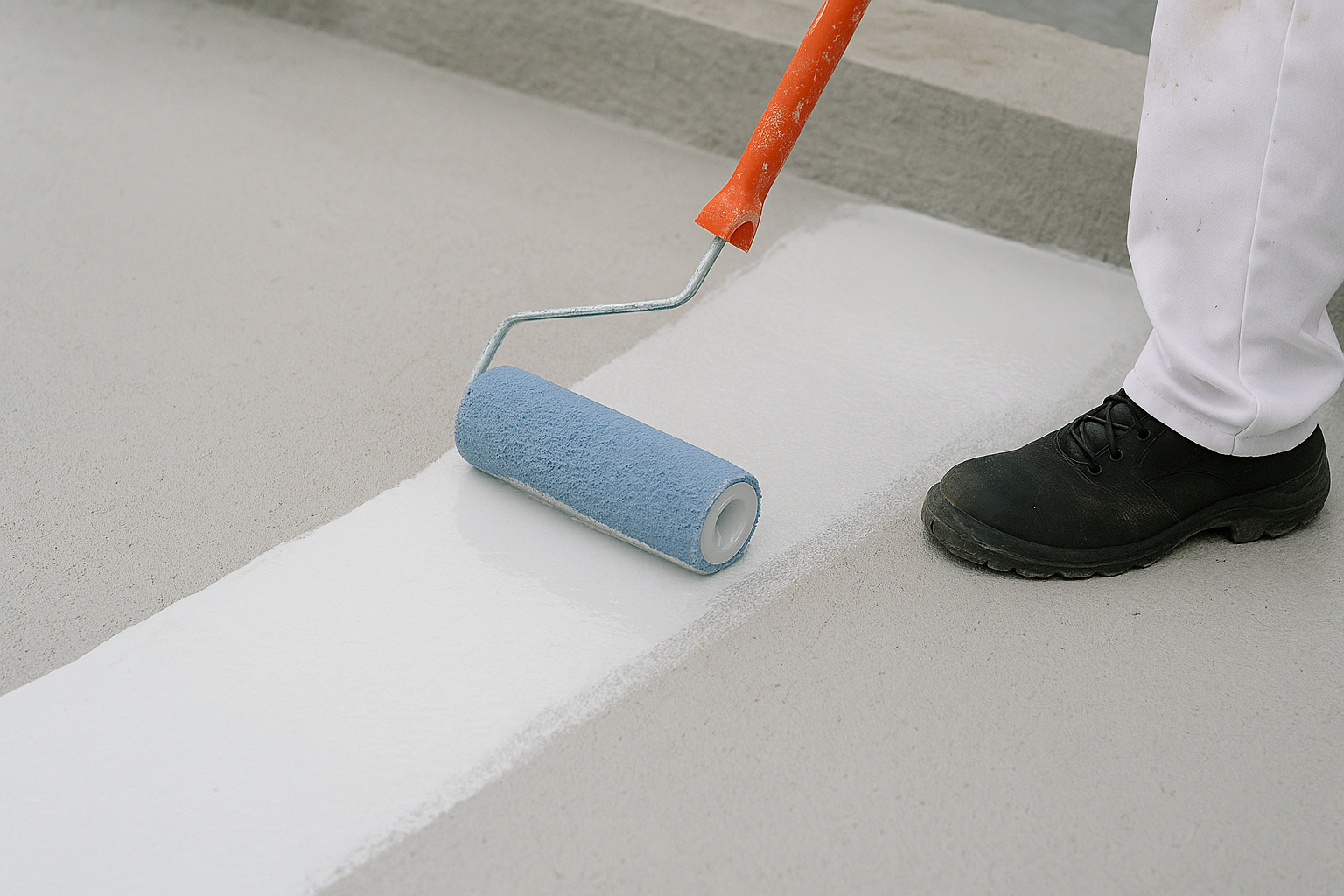
  8. Easy and fast application: Polyurethane can be spray- or roller-applied, covering large areas quickly. In most cases, it cures within a day, meaning minimal disruption. So, if your building is in active use like a hotel, warehouse, or retail outlet, you won’t face long downtimes.
  9. Cost-effective solution: While polyurethane may seem like an investment upfront, it dramatically reduces maintenance costs down the line. Fewer repairs, less downtime, and extended life of your building’s key structures add up to major savings.
  10. Eco-friendly and safe: Modern polyurethane waterproofing products are formulated to be low in VOCs (volatile organic compounds), making them safer for applicators and the environment. Organix ensures that all solutions we recommend comply with UAE green building standards.

Why Polyurethane Is Perfect For Roofs And Foundations?

Your roof and foundation are arguably the most critical parts of your building. Water infiltration here doesn’t just cause ugly stains; it can lead to steel corrosion, weakening of structural integrity, and costly repairs.
Polyurethane’s combination of flexibility, strength, and adhesion makes it ideal for:
• Flat roofs and terraces, which often accumulate water.
• Podium slabs and parking decks, exposed to both water and vehicular traffic.
• Basements and foundations, where hydrostatic pressure can push water through walls.
• Roof decks and green roofs
• Balconies and verandas
• Wet areas inside buildings (bathrooms, kitchens)
• Retaining walls and tunnels
• Water tanks and sewage treatment plants
At Organix, we’ve helped clients across the UAE safeguard their investments with polyurethane waterproofing. With products like Organix PolyShield or PolyFlex, we tailor solutions to each specific challenge, ensuring long-lasting protection.

Choose Organix For The Best In Polyurethane Waterproofing

When it comes to safeguarding your property, cutting corners is not an option. At Organix, we bring over a decade of expertise in advanced waterproofing solutions, with a dedicated team that understands the unique climatic challenges of the UAE.
• Site assessment and technical consultation
• Tailor-made solutions using premium polyurethane systems
• Application by certified professionals for guaranteed performance
• Support in compliance with Dubai Municipality & Abu Dhabi regulations

Ready to Protect Your Property? Contact us today for a consultation and let’s build a leak-proof future together.

Why Waterproofing Is A Must For Your Building’s Longevity?

When we think about building our dream home or managing a commercial property, we often focus on stunning designs, top-quality finishes, and modern amenities. But there’s one critical element that quietly protects all these investments – waterproofing. In a place like the UAE, where soaring temperatures, humidity, and occasional downpours can be tough on structures, waterproofing is what keeps your building standing strong and looking beautiful for years to come. Without it, even the most impressive architecture can fall victim to water damage, structural decay, and expensive repairs.

Did you know that around 70% of structural issues in buildings across the UAE are linked to water seepage? We often spend a fortune on high-end tiles, fancy façades, and modern interiors, but overlook what holds it all together – a strong, water-tight envelope. Think about it. Would you buy an expensive phone and not use a protective case? The same logic applies to your property. That’s why investing in quality waterproofing is a necessity.
Let’s break it down in simple terms.

What Is Waterproofing And Why Is It Important?

Waterproofing is the process of making your building surfaces resistant to water penetration. It involves using specialized waterproofing materials and techniques to seal roofs, walls, basements, and even bathrooms against water ingress.
In the UAE, the combination of hot sun and high humidity can cause building materials to expand and contract. This creates cracks and weak points. When water finds its way into these openings, it can wreak havoc. That’s why proper waterproofing is like an insurance policy; it protects your valuable investment for decades.

How Does Water Damage Affect A Building?

The scary part is that water damage often goes unnoticed until it’s too late. Here’s what can happen:
• Deterioration of the building framework: Water slowly eats away at concrete and steel, leading to cracks, spalling, and even collapse over time.
• Moisture induced mould: Damp areas become breeding grounds for mould, which can cause allergies and respiratory issues for your family or tenants.
• Unsightly stains: Water seepage leaves ugly patches and paint peel-offs that spoil your interiors.
• Increased maintenance costs: You’ll end up spending repeatedly on repairs and renovations if the root cause isn’t fixed.

Why Is Waterproofing Crucial For Your Building’s Survival?

In the UAE, roof waterproofing is especially critical. During sudden rainfalls, poorly waterproofed roofs allow water to seep inside. This can damage ceilings, electrical wiring, and even your expensive furniture.
Similarly, balconies, bathrooms, kitchens, and foundations are constantly exposed to water through usage or external weather. Without effective waterproofing, the risk multiplies.
Proper waterproofing not only shields your building from water ingress but also enhances its lifespan, maintains its market value, and ensures a healthier living or working environment.

Common Waterproofing Solutions That Are Trending

Here’s what’s commonly done nowadays to protect buildings in the UAE:
• Liquid membranes: Easy to apply, flexible coatings that form a seamless water barrier over roofs and terraces.
• Bituminous membranes: Popular for roof waterproofing due to their durability and resistance to harsh weather.
• Crystalline waterproofing: Used inside concrete to block capillaries and prevent water movement.
• PU sealants & coatings: Ideal for joints, bathrooms, and areas exposed to water splashes.
• Drainage boards & protection sheets: Provide an extra layer to drive water away from critical structures.
At Organix, we keep up with these trends to bring you the latest and most reliable waterproofing materials.

How To Purchase High-Quality Waterproofing Material?

It’s important not to compromise on the quality of waterproofing materials. Always check:
• Certifications and compliance: Ensure the products meet UAE standards.
• Manufacturer’s reputation: Trusted suppliers like Organix are committed to long-lasting solutions.
• Suitability: Different areas need different products – roofs, bathrooms, basements all have unique needs.
• Application support: Choose a supplier who can guide you or your contractor on correct application methods.

Choose Organix for The Best Waterproofing Materials In UAE

At Organix, we understand how essential it is to safeguard your property from water damage. That’s why we bring you premium waterproofing solutions sourced from globally recognized manufacturers.
Our wide range of products includes:
• Roof Waterproofing Systems: High-performance membranes and coatings designed to handle UAE’s tough climate.
• Concrete Admixtures & Sealers: For internal protection that works from the inside out.
• Joint Sealants & PU Products: Ensuring no gaps are left for water to sneak in.
• Protective Coatings: Keeping façades and walls looking beautiful and intact for years.
When you choose Organix, you’re not just buying a product, you’re partnering with the best team that values quality, innovation, and after-sales support. From technical advice to ensuring timely deliveries, we go the extra mile so your building stands strong and dry.

Ready to Protect you’re Property? Let’s Talk!

Don’t wait for damp walls or ceiling leaks to remind you of the importance of waterproofing. Contact Organix today for expert guidance and the best waterproofing materials in UAE. Visit www.organixbs.com to explore our full range or get in touch with our friendly team for a customized recommendation.

Why Epoxy Flooring Is The Best Choice For Car Parks In The UAE?

There’s something deeply frustrating about investing in a car park only to watch the floor deteriorate under your feet. Whether you’re managing a commercial parking structure, a residential basement garage, or a retail complex, the wear and tear from constant vehicle traffic, oil spills, harsh sunlight, and extreme weather can quickly take a toll.

When it comes to choosing the right flooring solution, epoxy flooring simply stands out as the smartest choice you can make. It’s more than just a layer of paint or a shiny surface; it’s a protective investment in your property’s safety, durability, and appearance.
Let’s break down exactly why car park epoxy flooring is the go-to solution for property owners across the UAE and why it should be yours too.

  1. Tough Enough To Handle Anything

Car parks in the UAE see non-stop vehicle movement, SUVs, sedans, delivery vans, and sometimes even the occasional supercar. Over time, this continuous pressure causes cracks, surface damage, and unsightly stains on regular concrete floors. That’s where Epoxy Floor Coating comes into play. It creates a seamless, highly durable surface that resists abrasion, impact, and heavy traffic. Unlike plain concrete, epoxy doesn’t chip or crumble. It holds its ground (pun intended), making it perfect for both commercial and residential car parks.

  1. Made For The UAE’s Climate

We all know how intense UAE summers can get. Temperatures often soar above 45°C, and the sun is merciless. Under these conditions, traditional flooring materials can crack, fade, or buckle. But epoxy? It’s engineered for extremes. At Organix, we offer UV-resistant epoxy systems that can handle the brutal sun without losing their strength or color. The Organix Polyurethane Topcoat adds an extra layer of protection, so your floors not only last longer but also continue to look great for years to come.

  1. Safety First – For Drivers And Pedestrians

Slippery floors in a car park? That’s an accident waiting to happen. Spilt engine oil, wet tyres, or even condensation from A/C units can make surfaces dangerously slick.
We offer Organix Anti-Slip Epoxy Coating, designed with textured finishes and grip-enhancing additives to improve traction. Whether you’re walking to your car in heels or reversing a truck into a tight space, safety is always on your side.

Many industries are now adopting digital methods to grow their visibility and build trust.

  1. Resistant To Chemicals And Stains

Let’s face it, vehicles leak. Oil, brake fluid, and coolant are all enemies of unprotected floors. Epoxy doesn’t just cover your surface; it protects it.
With Organix Chemical-Resistant Epoxy, spills stay on the surface instead of seeping in. Cleaning is quick and easy, no stains no permanent damage. This kind of resilience is essential in busy car parks where there’s no time for constant maintenance.

  1. Maintenance? Practically Zero.

Cleaning traditional concrete is a chore, and sometimes it feels like a losing battle. But with epoxy flooring, it’s a different story. Our Organix Self-Leveling Epoxy creates a non-porous, smooth surface that dust and grime can’t cling to. You won’t have to worry about dust clouds, stubborn stains, or moisture buildup. A quick sweep or mop is usually all it takes to keep your car park looking fresh.

  1. Aesthetic Appeal Matters – Even In A Car Park

Why settle for dull grey concrete when your car park can look modern, organized, and even stylish? With Organix Decorative Quartz Epoxy, you can choose from a variety of colors and finishes to match your branding or simply make the space more welcoming.
You can even mark zones with color codes—like VIP areas, loading bays, or electric vehicle parking spots. Functional and good-looking? That’s a win.

  1. Time-Saving & Cost-Effective Installation

We know that time is money. Closing down your car park for flooring upgrades can disrupt business, delay operations, and frustrate tenants or customers.
That’s why we offer Organix Rapid Cure Epoxy, a quick-setting solution that reduces downtime. And since epoxy can be applied directly over most existing concrete surfaces, you’ll also save on demolition and labor costs.

What Makes Epoxy Flooring From Organix Different?

We’re not just offering a product, we’re delivering a complete, high-performance flooring system backed by years of experience and local expertise. Our epoxy flooring systems are manufactured to withstand the unique demands of the UAE, including:
• Extreme heat and UV rays
• Heavy vehicle traffic
• Chemical exposure
• Dust and sand abrasion

Whether you’re a property manager, developer, or business owner, let’s work together to build a better, safer, and more efficient parking space. At Organix, we bring expertise, innovation, and reliability to every project.

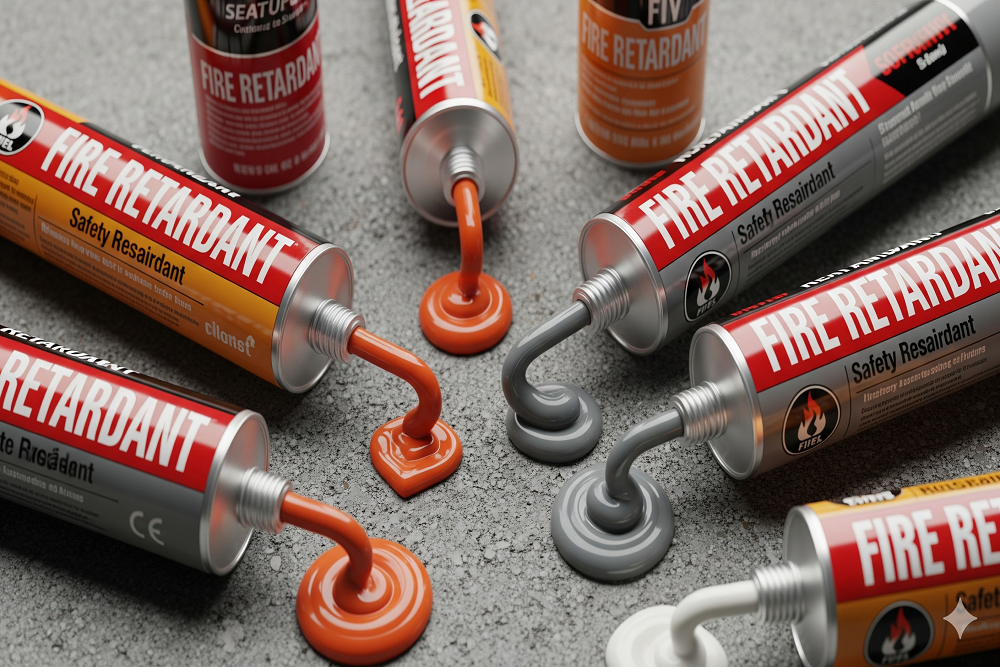
How Fire Retardant Sealants Protect Structures from Fire Damage?

There’s something incredibly humbling about watching a building being constructed. From bare ground to soaring structures, it’s more than concrete and steel; it’s a space where people live, work, and thrive. But have you ever paused to think about what keeps these buildings safe in the event of a fire?
In the UAE, where rapid urban growth is everywhere you look, from high-rise towers to massive warehouses, fire safety is a real, everyday concern. And as someone who might be managing a project, owning a property, or simply ensuring your workplace complies with safety regulations, you need to understand the layers of protection that are quietly working in the background.
One of these unsung heroes is the fire-retardant sealant. While it may not grab your attention like a fire alarm or extinguisher, it plays a crucial role in preventing devastating fire damage and possibly saving lives.

What Is A Fire Retardant Sealant?

At first glance, a fire-retardant sealant might look just like any regular sealant you’ve seen on construction sites that are used to close gaps, joints, and edges. But the difference lies in its superpower: resistance to extreme heat.
Unlike standard sealants that melt or break down in high temperatures, fire-rated sealants are specially designed to hold their ground. When fire strikes, these sealants prevent flames, smoke, and toxic gases from spreading through cracks and joints in walls, floors, or ceilings.
Now think about buildings with multiple rooms or floors, without sealants, a fire in one section could spread rapidly through tiny gaps, becoming uncontrollable in minutes. Fire retardant sealants stop that chain reaction from happening.

Why This Matters So Much In The UAE?

Fire regulations in the UAE are no joke. With temperatures soaring above 45°C in the summer and construction booming across all seven Emirates, fire prevention isn’t optional; it’s the law.
The UAE Fire and Life Safety Code of Practice makes it mandatory to use certified fire-resistant materials in construction. Fire retardant sealants are part of this safety net. They help:
• Seal off rooms and compartments, so fire stays contained in one area
• Protect the structure of a building by resisting heat long enough for evacuation or firefighting
• Limit the release of toxic smoke, one of the leading causes of fire-related deaths
• Support green building practices, such as ESTIDAMA and LEED, by offering low-VOC, eco-safe solutions

Types of Fire-Rated Sealants – Which One’s Right?

Let’s break this down simply, because we don’t all speak “construction.” There are mainly three types of fire-rated sealants, and each serves a different need:

  1. Intumescent Sealants: These are expanders. When exposed to heat, they swell and block any opening where fire or smoke might creep through. Ideal for plastic pipes or cables where expansion is needed.
  2. Non-Intumescent Sealants: These don’t expand but instead resist fire while staying flexible. Perfect for metal pipes, concrete gaps, or general joints in walls and floors.
  3. Silicone-Based Fire Sealants: These are weather warriors. They can handle intense UV exposure, movement, and outdoor elements while still protecting from fire. Great for external use.
    Organix makes top-of-the-line fire retardant sealants in each category. Our SealFlex FR Series and Fischer Fire Rated Silicone Sealant (FFRS) are designed with real-world fire risks in mind and rigorously tested to meet UAE and international safety standards.

What To Look For When Choosing One?

It’s easy to get overwhelmed with product labels and certifications. But here’s what you need to know when selecting a fire retardant sealant:
• Fire Duration Rating – Go for 2, 3, 4, or even 5 hours of certified protection.
• Material Compatibility – Make sure it sticks well to concrete, steel, plaster, etc.
• Movement Tolerance – In a hot climate like the UAE, expansion and contraction are a big deal.
• Eco-Friendliness – Low VOCs mean fewer harmful chemicals are released indoors.
• International Certifications – UL 2079, ASTM E84, and of course, UAE civil defense approval.

What Makes Organix Sealants Stand Out?

Here’s where it gets exciting. Organix’s SealFlex FR Series and Fischer Fire Rated Silicone Sealant (FFRS) don’t just meet the minimum; they exceed expectations.

SealFlex FR 400

• Up to 4 hours of fire resistance
• Non-intumescent – great for linear joints and metal pipes
• Fast curing (tack-free in 2 hours)
• Weather, UV, and ozone resistant

Fischer Fire Rated Silicone Sealant (FFRS)

• Up to 5 hours of protection
• High adhesion to almost all building materials
• Super flexible and durable
• Halogen-free and solvent-free.
And these aren’t just lab claims. They’re on-site tested and certified for UAE’s demanding building codes.

Where You’ll Find These In Action?

• Commercial buildings – malls, offices, hotels
• Residential complexes – villas, apartments
• Industrial facilities – factories, warehouses
• Airports, hospitals, and even schools
Whether it’s sealing a duct, a cable tray, or a joint in a concrete slab, these sealants are working silently behind the scenes.

Fire doesn’t ask questions before it strikes. It doesn’t care about blueprints, budgets, or design styles. But you can prepare for it. We can protect against it.

The Importance of Wet Area Waterproofing

Most of us don’t think much about what is behind our bathroom tiles or under our kitchen floors. As long as the water flows and drains, we assume everything is fine. But the truth is, a silent enemy is hiding in your home, one that can ruin your walls, weaken your foundation, and slowly erode the value of everything you have worked so hard to build. It is not always visible at first, but when it shows up, the damage is already done. We are talking about water, more specifically, water where it should be. That is why wet area waterproofing is not just a technical term or an extra step in construction, it is a necessity for anyone who wants to protect their home, especially in the UAE’s climate.

What Is A Wet Room?

You might have heard the term “wet room” thrown around in modern home design. A wet room is a fully waterproofed bathroom with no barriers- no shower trays, no steps, just a flat floor where everything drains through a single slope. It’s sleek, it’s stylish, and it’s practical. But it also comes with a big responsibility: perfect waterproofing. Without it, your chic, open-concept bathroom can cause water to seep into walls, damage the floor structure, and invite unwanted guests like mold, mildew, and rot.

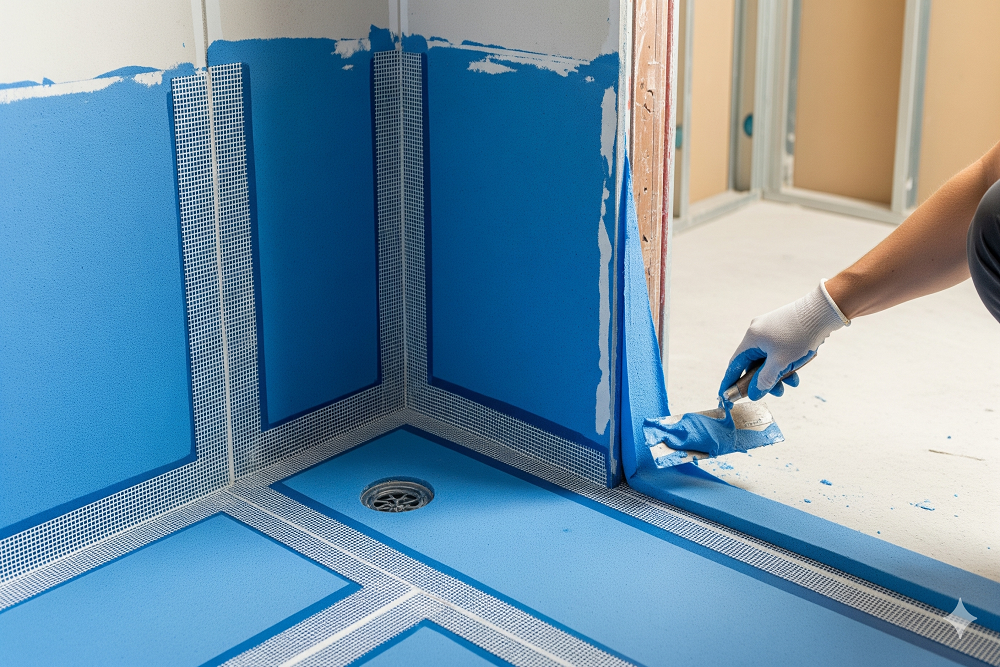
What Is Wet Area Waterproofing?

Wet area waterproofing is the process of making certain rooms in your home (like bathrooms, Kitchens, and laundry areas) completely resistant to water. It involves sealing walls, floors, and critical junctions to stop moisture from penetrating surfaces and causing damage. Think of it as giving your home a protective raincoat where it matters most.

Why Wet Area Waterproofing Matters So Much In The UAE?

This isn’t just about avoiding puddles on the floor. It’s about your health, your home’s longevity, and your wallet. Here’s why we can’t afford to ignore it:
• It prevents water leaks that would otherwise silently spread behind walls and under tiles, damaging the very bones of your building.
• It stops mold and mildew, which are more than just unsightly; they can affect indoor air quality and cause respiratory issues, especially in children and older adults.
• It protects the structure of your home. Concrete may seem tough, but water can slowly weaken it, corrode metal reinforcements, and compromise its strength.
• It saves you money over time. A little investment now prevents huge repair bills later, especially in this climate, where heat and moisture team up to speed up damage.

What Areas Should Be Waterproofed?

When we say “wet area,” we’re not just talking about the floor beneath your feet. Here are the key zones that must be protected:
• Floor and wall junctions: Water often finds its way into corners and cracks. These must be sealed thoroughly.
• Shower areas and drainage points: These are high-risk zones that deal with daily water exposure. They must be treated with extra care.
• Around fixtures: Toilets, sinks, and bathtubs all need proper sealing to prevent leaks at the base.
• Behind tiles and under screed: You can’t rely on tiles alone; water can sneak behind them. A waterproof membrane underneath is essential.

How Wet Area Waterproofing Should Be Done (Step By Step)

This isn’t a DIY shortcut; you need trained professionals who follow every step meticulously:

  1. Surface preparation: Clean and level surfaces to ensure a strong bond with waterproofing materials.
  2. Apply a primer: This helps the membrane stick better and last longer.
  3. Install waterproofing membrane: Liquid-applied or sheet membranes act as a barrier to moisture.
  4. Seal joints and corners: Waterproof tapes and sealants reinforce vulnerable areas.
  5. Flood test the room: Before installing tiles, the area is filled with water for 24-48 hours to check for leaks.
  6. Tile installation: Using flexible adhesives and grout ensures the system can withstand slight movement without cracking.

Common Mistakes You Must Avoid

We’ve seen too many homeowners pay the price for poor waterproofing. Here are the most common mistakes to watch out for:
• Skipping the primer: It might seem like a minor step, but it’s essential for adhesion.
• Incorrect floor slope: Water won’t drain properly, leading to standing water and long-term issues.
• Not following product instructions: Each waterproofing system has specific requirements. Ignoring them reduces effectiveness.
• Using rigid sealants: These can crack over time due to thermal expansion.
• Rushing the job – Waterproofing takes time to cure. Cutting corners compromises the entire system.

How Can Organix Building Systems UAE Help?

At Organix Building Systems, we’ve made it our mission to protect homes and buildings across the UAE from water damage. We understand the unique challenges of this region, and our team is trained to deliver solutions that last. Here’s how we support you:

High-Performance Waterproofing Products

• Liquid membranes: Ideal for creating seamless protection in complex layouts.
• Cementitious waterproofing: Best for heavy-use areas like balconies and bathrooms.
• Polyurethane coatings: Excellent for areas exposed to extreme conditions.

Expert Installation

Our technicians are certified and follow strict protocols to ensure every detail is handled correctly. More than just waterproofing we also offer:
• Leak detection and repair
• Tile and grout protection
• Thermal insulation for energy savings

Water damage doesn’t knock before entering, it slowly seeps in. Let us not wait for a ceiling stain or a musty smell to realise something’s wrong. At Organix building systems, we believe in building homes that last, not just look good. With our expertise and your trust, we can make sure that your wet areas stay exactly that, wet when they should be, and dry where they must be.

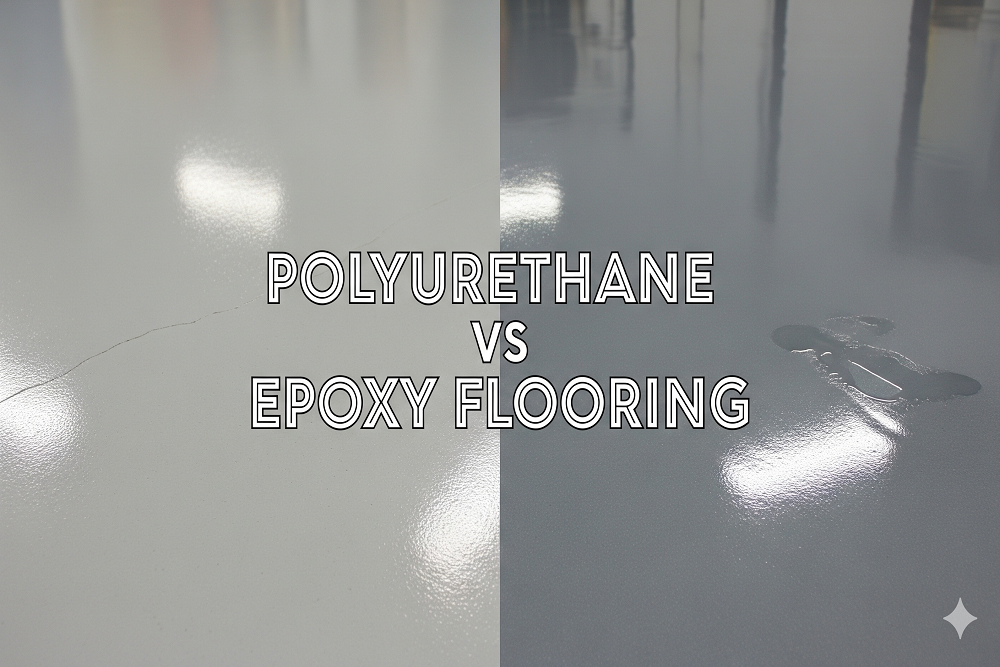
Polyurethane Vs Epoxy Flooring: Which One Should You Choose?

Let’s talk floors, because they matter more than you think! Whether you’re building a new space or renovating an old one, choosing the right flooring is more than just picking what looks good. Especially here in the UAE, where we deal with intense heat, dust, and heavy use, your flooring needs to be tough, resilient, and safe. We get it, it can be overwhelming to decide which type of flooring is right for your project.
We’re here to walk with you through two of the most popular options: polyurethane flooring and epoxy flooring.

What Is Polyurethane Flooring?

Imagine a floor that bends a little instead of cracking. That’s polyurethane flooring for you. It’s flexible, heat-resistant, and built to survive harsh environments—kind of like how we tough it out during those 50°C summer days here in the UAE! At Organix Solutions, we’ve seen polyurethane flooring shine in places where durability and thermal stability are key—think commercial kitchens, hospitals, rooftops, or outdoor walkways.

Why Should You Choose Polyurethane Flooring?

Let’s say you’re tired of seeing your floors crack, peel, or get slippery when wet. Polyurethane could be your hero. Here’s how:

• UV & heat resistant – Your floor won’t fade or yellow, even under the blazing UAE sun.
• Flexible & crack-proof – It moves with your building and doesn’t break under pressure.
• Chemical & stain fighter – Spilled oil or cleaning agents? No problem.
• Slip-resistant – A safer choice for wet areas like kitchens or production floors.
• Thin but strong – Even a thin coat packs a punch.
But here’s the Catch:
• It’s a bit pricier than epoxy.
• It takes longer to fully cure, so you’ll need to wait a bit before use.
• Not as many decorative options if you’re looking for bold colors or glossy finishes.

So, What is Epoxy Flooring?

Epoxy flooring is like that reliable friend who always gets the job done. It’s rigid, tough, shiny, and incredibly popular for garages, warehouses, showrooms, and factories. If you’re going for a smooth, seamless, high-gloss finish, this might be your go-to.

Why we love epoxy:

• Super durable – Handles heavy machinery, foot traffic, and wear-and-tear like a pro.
• Chemical-resistant – Perfect for industrial use where spills happen often.
• Customizable looks – Available in cool colors, flakes, metallics, and more.
• Fast curing – You can use your space sooner than you would with polyurethane.
• Budget-friendly – A great option if you’re trying to keep costs down.
But not all that glitters is gold:
• Over time, epoxy can get brittle and may crack, especially in high-temperature zones.
• It doesn’t handle UV well, so it can yellow in the sun.
• Slippery when wet unless special additives are used.

What’s Best For You In The UAE?

Let’s be real, the UAE’s climate isn’t easy on buildings. We’ve got scorching heat, humidity, rain, sand, and heavy use. So, the decision isn’t just about looks. It’s about performance.
Choose polyurethane flooring if:
• You’re working on outdoor spaces (like balconies, rooftops, or outdoor walkways).
• You need something heat and UV-resistant (perfect for UAE summers).
• You’re setting up a kitchen, food processing unit, or hospital, where hygiene and slip resistance matter.
• You want a floor that won’t crack even if the building shifts.

Choose epoxy flooring if:
• You’re doing an indoor project like a garage, warehouse, or office.
• You need a cost-effective option with stylish finishes.
• You’re looking for chemical resistance in a factory or storage area.

The Final Take

There’s no one-size-fits-all solution when it comes to flooring. It depends on your space, your needs, and your budget. But we do know this: cutting corners on flooring never pays off in the long run. The floor is the foundation of your workspace, and it should be strong, safe, and suited to your environment.
If your project is in the harsh heat of the UAE or you’re dealing with outdoor or food-grade spaces, polyurethane flooring is worth the investment. It may cost a bit more upfront, but the long-term performance pays off.
If you’re looking for something stylish, affordable, and ideal for indoor use, epoxy can be the right fit. Just make sure to add anti-slip coatings and avoid direct sunlight exposure.

Still Unsure What To Choose? That’s what We’re Here For.

At Organix, we’ve been helping customers like you since the 1990s with top-quality construction chemicals and smart, durable flooring solutions. Whether you’re leaning toward polyurethane for heat resistance or epoxy for decorative strength, we’ve got the experience, products, and technical support to guide you every step of the way.
Get in touch with Organix today and find the perfect flooring for your needs.

Why Roof Waterproofing Is Essential For Buildings In Harsh Climates?

Living in the UAE, you know how relentless the climate can be—scorching heat, occasional heavy rains, and shifting temperatures that test the limits of any structure. Your building, whether it’s your home or workplace, is more than just a space; it’s an investment and a sanctuary. But have you considered how the harsh weather impacts its roof? In a place where the elements can be unforgiving, protecting your building from water damage, leaks, and long-term wear is crucial. At Organix in Dubai, we understand the unique challenges of the region, and we’re here to ensure your roof stands strong, no matter what the climate throws at it. Because when your roof is secure, so is everything beneath it.
In this blog, we’ll dive into why roof waterproofing is a must-have for buildings in harsh climates like the UAE. By the end, you’ll have a clear understanding of how it protects your property, extends your roof’s lifespan, and even saves you money in the long run.

The Importance Of Roof Waterproofing In Harsh Climates

The UAE is known for its extreme weather conditions—scorching heat, occasional heavy rainfall, and even sandstorms. These elements can take a toll on your roof, leading to leaks, cracks, and structural damage over time. Roof Waterproofing acts as a protective shield, ensuring your roof remains intact and functional despite the harsh climate. It’s not just about fixing a problem; it’s about preventing one before it starts. By investing in Roof Waterproofing, you’re ensuring your building stays safe, dry, and durable for years to come.

• Protection From Heavy Rainfall And Snow

While the UAE is primarily known for its heat, occasional heavy rainfall can cause significant damage to unprotected roofs. Water can seep into cracks, leading to leaks, mold growth, and even structural weakening. Roof Waterproofing creates a barrier that prevents water from penetrating your roof, no matter how heavy the rain. This is especially crucial for flat roofs, which are common in the UAE and more prone to water pooling. With Organix’s Roof Waterproofing solutions, you can rest easy knowing your roof is prepared for any weather.

• Preventing Roof Damage From Freezing Temperatures

Wait, freezing temperatures in the UAE? While it’s rare, some areas do experience cooler nights during winter. When moisture seeps into your roof and freezes, it expands, causing cracks and further damage. Roof Waterproofing prevents moisture from entering in the first place, protecting your roof from the freeze-thaw cycle. This is just one more reason why Roof Waterproofing is essential for long-term roof health.

• Enhancing Durability And Longevity Of Your Roof

A roof is one of the most critical components of any building, and repairing or replacing it can be costly. Roof Waterproofing significantly enhances the durability and longevity of your roof by protecting it from weather-related wear and tear. Whether it’s UV rays, rain, or wind, a waterproofed roof is better equipped to handle it all. With Organix’s advanced waterproofing systems, you can extend the life of your roof and avoid frequent repairs.

• Energy Efficiency Benefits Of Roof Waterproofing

Did you know that Roof Waterproofing can also help you save on energy bills? In the UAE’s hot climate, a well-protected roof can reflect sunlight and reduce heat absorption, keeping your building cooler. This means your air conditioning system doesn’t have to work as hard, leading to lower energy consumption and cost savings. It’s a win-win situation—your roof stays protected, and you save money!

• Choosing The Right Waterproofing System For Your Roof

Not all waterproofing systems are created equal. The right solution depends on your roof’s material, design, and the specific challenges it faces. At Organix, we offer a range of Roof Waterproofing options tailored to meet your needs. From liquid-applied membranes to sheet-based systems, our experts will help you choose the best solution for your building. Remember, the right waterproofing system can make all the difference in protecting your roof.

Investing In Roof Waterproofing For Long-Term Protection

Think of Roof Waterproofing as an investment rather than an expense. The upfront cost is minimal compared to the potential expenses of repairing water damage or replacing an entire roof. By waterproofing your roof, you’re ensuring long-term protection and peace of mind. With Organix’s reliable and durable solutions, you can trust that your roof will stand the test of time.

Conclusion

In a climate as harsh as the UAE’s, Roof Waterproofing isn’t just a luxury—it’s a necessity. From protecting your roof against heavy rainfall and freezing temperatures to enhancing its durability and energy efficiency, the benefits are undeniable. By choosing Organix for your Roof Waterproofing needs, you’re investing in quality, reliability, and long-term protection. Don’t wait for the next rainstorm or heatwave to realize the importance of a waterproofed roof. Take action today and safeguard your building for the future.

FAQs

  1. How long does roof waterproofing last?
    With high-quality materials and proper installation, Roof Waterproofing can last for many years, providing long-term protection.
  2. Can roof waterproofing improve energy efficiency?
    Yes, by reflecting sunlight and reducing heat absorption, Roof Waterproofing can help lower energy costs.
  3. How do I choose the right waterproofing system?
    Consult with experts like Organix to assess your roof’s needs and recommend the best waterproofing solution.

Why EPDM is the Preferred Choice for Waterproofing and Sealing?

When it comes to waterproofing and sealing applications, EPDM (Ethylene Propylene Diene Monomer) has emerged as a leading material choice. Its exceptional durability, resistance to extreme weather conditions, and flexibility make it an ideal solution for a wide range of industries, including construction, automotive, and roofing. In this blog, we will explore the benefits, applications, and reasons why EPDM is the preferred choice for waterproofing and sealing.

What is EPDM?

EPDM is a synthetic rubber compound known for its excellent resistance to environmental factors such as UV rays, ozone, and harsh weather conditions. It is commonly used for roof waterproofing, sealing applications in automobiles, and industrial environments requiring high-performance sealing solutions. Its superior elasticity and resistance to aging make it one of the most reliable materials for long-term use.

Key Benefits of EPDM for Waterproofing and Sealing

  1. Exceptional Weather Resistance

EPDM is highly resistant to UV radiation, ozone exposure, and extreme temperatures, making it a durable choice for outdoor applications. Unlike other materials that may degrade over time, EPDM maintains its structural integrity for decades.

  1. Waterproof and Leak-Proof

One of the primary reasons for using EPDM is its excellent waterproofing properties. It prevents water ingress and leakage, making it ideal for roofing membranes, pond liners, and underground waterproofing applications.

  1. Superior Flexibility and Elasticity

EPDM remains flexible even in extreme temperatures, ranging from -40°C to 120°C. This flexibility allows it to expand and contract without cracking, ensuring a secure seal in fluctuating environments.

  1. Long-Lasting Durability

With a lifespan of up to 50 years or more, EPDM outperforms many traditional waterproofing materials. It resists wear and tear, chemical exposure, and mechanical stress, making it a cost-effective solution for long-term applications.

  1. Chemical and Corrosion Resistance

EPDM is resistant to a variety of chemicals, including acids, alkalis, and industrial solvents. This makes it a preferred sealing material in chemical processing plants, HVAC systems, and other industrial applications.

  1. Easy Installation and Maintenance

EPDM sheets and membranes are easy to install using adhesives, mechanical fasteners, or heat welding techniques. Additionally, its low maintenance requirements reduce long-term costs and ensure reliability.

  1. Eco-Friendly and Sustainable

EPDM is an environmentally friendly material, as it is recyclable and contributes to energy-efficient buildings. Its high reflectivity in white variants can help reduce cooling costs by reflecting sunlight and lowering heat absorption.

Common Applications of EPDM

  1. Roof Waterproofing Systems

Roof waterproofing is crucial for protecting buildings from leaks and water damage. EPDM roofing membranes are widely used for flat and low-slope roofs due to their superior waterproofing capabilities. They offer an effective solution for both residential and commercial buildings.

  1. Automotive Sealing

EPDM is commonly used in car door seals, window seals, trunk seals, and hood seals due to its weather-resistant and flexible nature. It prevents water leakage and enhances vehicle insulation.

  1. Pond Liners and Water Containment

In landscaping and agricultural applications, EPDM is used as a pond liner to prevent water seepage and maintain water retention in artificial lakes and reservoirs.

  1. HVAC and Industrial Sealing

EPDM gaskets and seals are widely used in HVAC systems, pipelines, and industrial machinery to prevent leaks, maintain airtight seals, and resist chemical exposure.

  1. Underground Waterproofing

EPDM membranes are used for underground structures such as basements, tunnels, and foundations to prevent water penetration and ensure structural integrity.

How EPDM Compares to Other Waterproofing Materials

FeatureEPDM RubberPVC MembraneTPO MembraneBitumen-Based Membrane
Weather ResistanceHighModerateHighModerate
Lifespan50+ years20-30 years30+ years20-25 years
FlexibilityExcellentModerateHighLow
Chemical ResistanceHighModerateModerateLow
Installation EaseEasyModerateEasyDifficult
Environmental ImpactLowModerateModerateHigh

Why Choose EPDM for Your Waterproofing and Sealing Needs?

EPDM stands out as the preferred choice for waterproofing and sealing due to its durability, flexibility, and cost-effectiveness. Whether you need a long-lasting roof waterproofing solution, a reliable pond liner, or an industrial-grade sealing material, EPDM offers unmatched performance. Its ability to withstand extreme conditions, coupled with easy installation and low maintenance, makes it a top choice for professionals across various industries.

EPDM rubber is the ultimate waterproofing and sealing solution for a wide range of applications. Its superior properties, including weather resistance, durability, and flexibility, make it a preferred choice for the construction, automotive, and industrial sectors. If you’re looking for a material that ensures long-lasting protection and reliability, EPDM is the way to go.