

 Admin
Admin
 25 Oct 2023
Waterproofing is one of the most crucial aspects of construction, yet many property owners and even some builders are unsure which materials are best suited for different areas. Using the right waterproofing material not only protects your property from water damage but also significantly increases the durability of surfaces, from foundations to roofs.
At Organix Building System, we provide waterproofing solutions that ensure long-lasting, leak-free structures. This guide will help you understand the types of waterproofing materials available, their applications, and how they contribute to the overall durability of a building.
Waterproofing is the process of making a surface resistant to water penetration. In buildings, it prevents water from entering critical areas such as foundations, walls, roofs, terraces, and basements.
The process not only strengthens the structure but also prevents issues such as:
Specialized services such as roof waterproofing Dubai, basement waterproofing, and wall waterproofing are particularly important due to the region’s high temperatures, occasional rainfall, and humidity levels. Proper waterproofing ensures buildings remain durable, safe, and comfortable.
Without proper waterproofing, buildings face serious risks:
By applying the right waterproofing products, you can prevent water ingress, control internal humidity, protect interiors, and enhance the lifespan of your building. Proper materials applied in the correct areas are essential for safe, durable, and sustainable construction.
Different materials serve different purposes, and using the wrong product can lead to costly repairs. Here’s a detailed look at the most common waterproofing materials used in construction:
Cementitious waterproofing is one of the most widely used methods due to its simplicity and effectiveness. It involves mixing cement-based products to form a protective, water-resistant layer.
Applications:
Cement-based materials provide semi-flexible or fully resilient protection depending on the formulation. They are especially suitable for areas not directly exposed to sunlight. Cementitious coatings remain a popular choice for basement waterproofing due to their reliability and ease of application.
Liquid membranes form a seamless, flexible coating applied using a brush, roller, or spray. These coatings are usually made from polymers such as acrylic, polyurethane, or bitumen blends.
Applications:
Liquid waterproofing membranes offer high elasticity and are excellent for areas that require long-term flexibility and water resistance. They have become increasingly popular due to their durability and ease of application.
Bitumen-based coatings are flexible protective layers that can be applied to both horizontal and vertical surfaces. They are effective for:
Applications:
Bituminous coatings offer strong water resistance and flexibility, making them suitable for areas with frequent exposure to water. They provide a reliable barrier against moisture while maintaining structural integrity.
Membrane waterproofing involves applying rolled sheets, often with a heat source, to create a strong waterproof layer. These membranes come in different thicknesses and formulations depending on the area of application.
Applications:
Membranes can also resist plant root penetration, making them ideal for green roofs and terraces. They are durable, cost-effective, and provide excellent long-term waterproofing performance.
Polyurethane membranes are highly elastic and form a seamless barrier, making them ideal for:
Applications:
Before application, the moisture content of the concrete surface must be checked, as polyurethane membranes are sensitive to dampness. Proper surface preparation ensures optimal adhesion and maximum durability.
Buildings are constantly exposed to environmental factors like rain, humidity, groundwater, and extreme temperatures. Without waterproofing, these factors can cause:
Applying the correct waterproofing materials prevents water ingress, reduces internal humidity, and protects interiors and valuable assets. Comprehensive waterproofing products are essential for long-term building performance and sustainability.
At Organix Building System, we provide a wide range of waterproofing materials in Dubai, including:
Our solutions are designed to protect walls, roofs, terraces, basements, and other critical areas from water damage. For reliable, long-lasting, and leak-free structures, consult our experts to select the best materials for your building project.
Explore our complete range of waterproofing products in UAE and ensure your construction is protected against moisture, leaks, and environmental challenges.
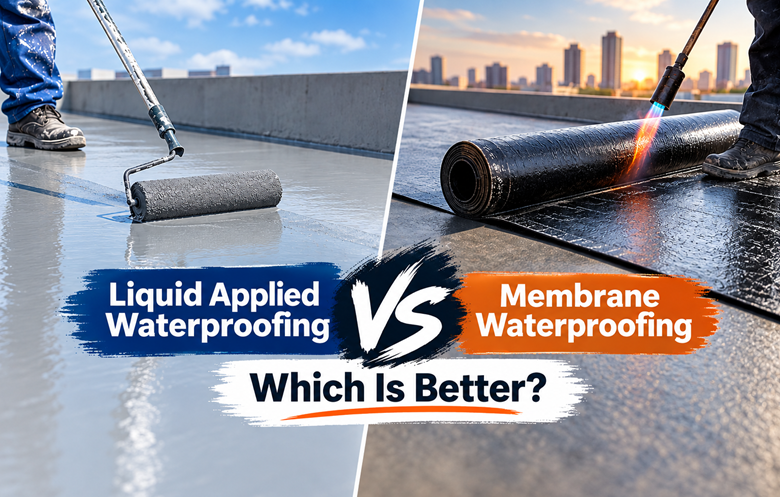
Liquid Applied Waterproofing Vs Membrane Waterproofing and Which Is Better?
Admin
23 Sep 2026
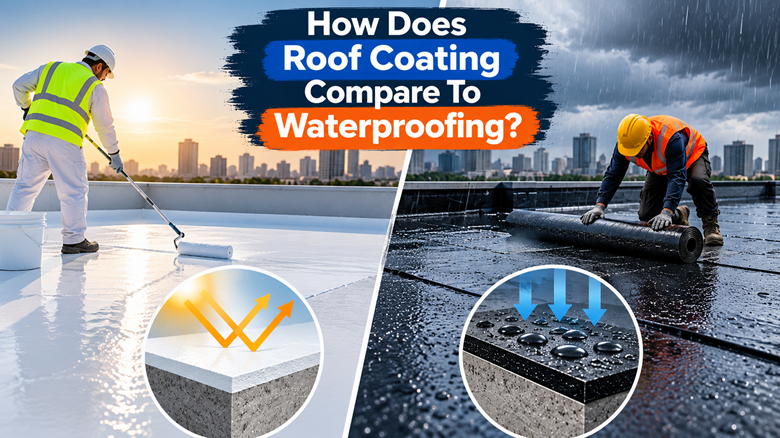
How Does Roof Coating Compare To Waterproofing?
Admin
20 Sep 2026
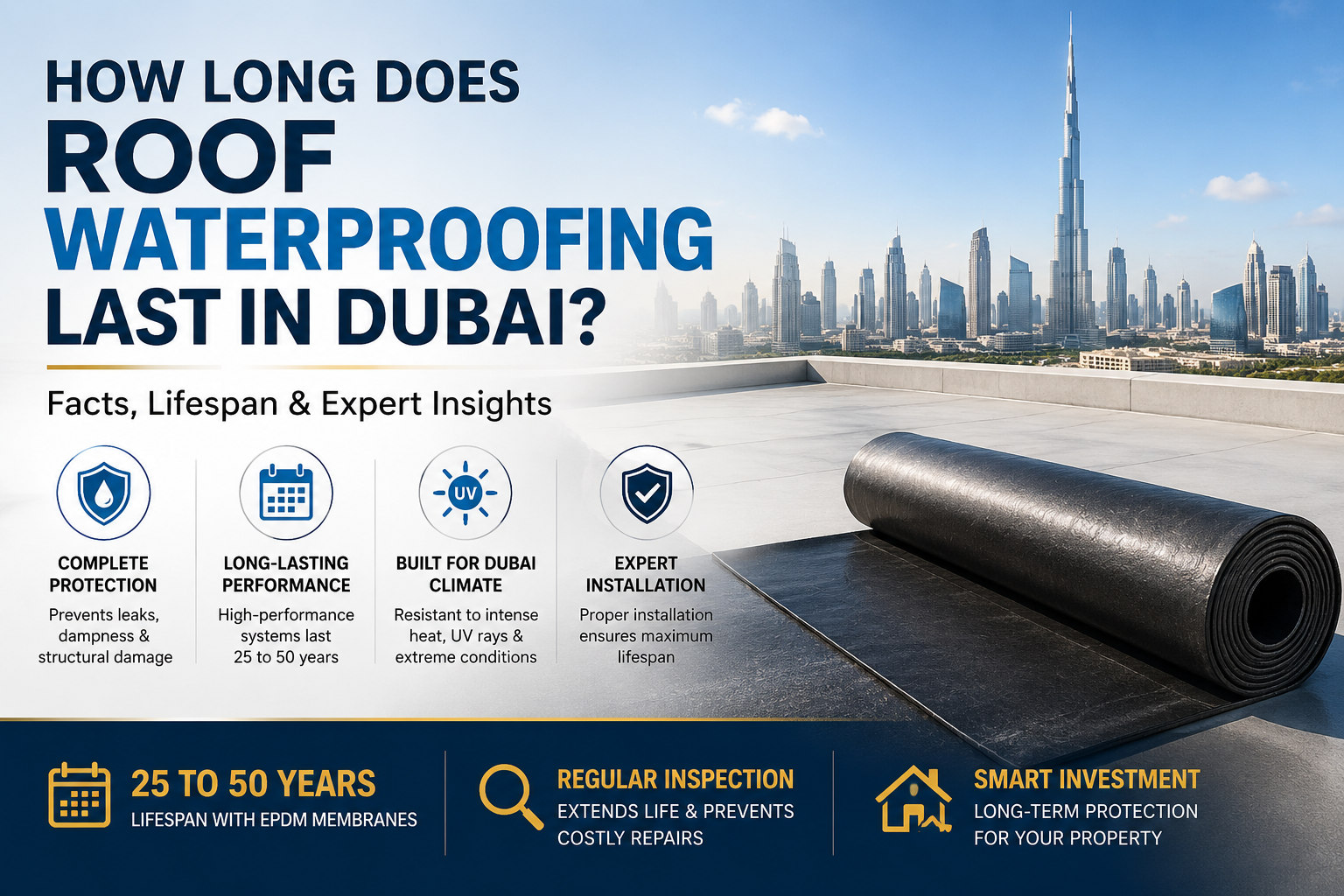
HOW LONG DOES ROOF WATERPROOFING LAST IN DUBAI?
Admin
25 Aug 2026
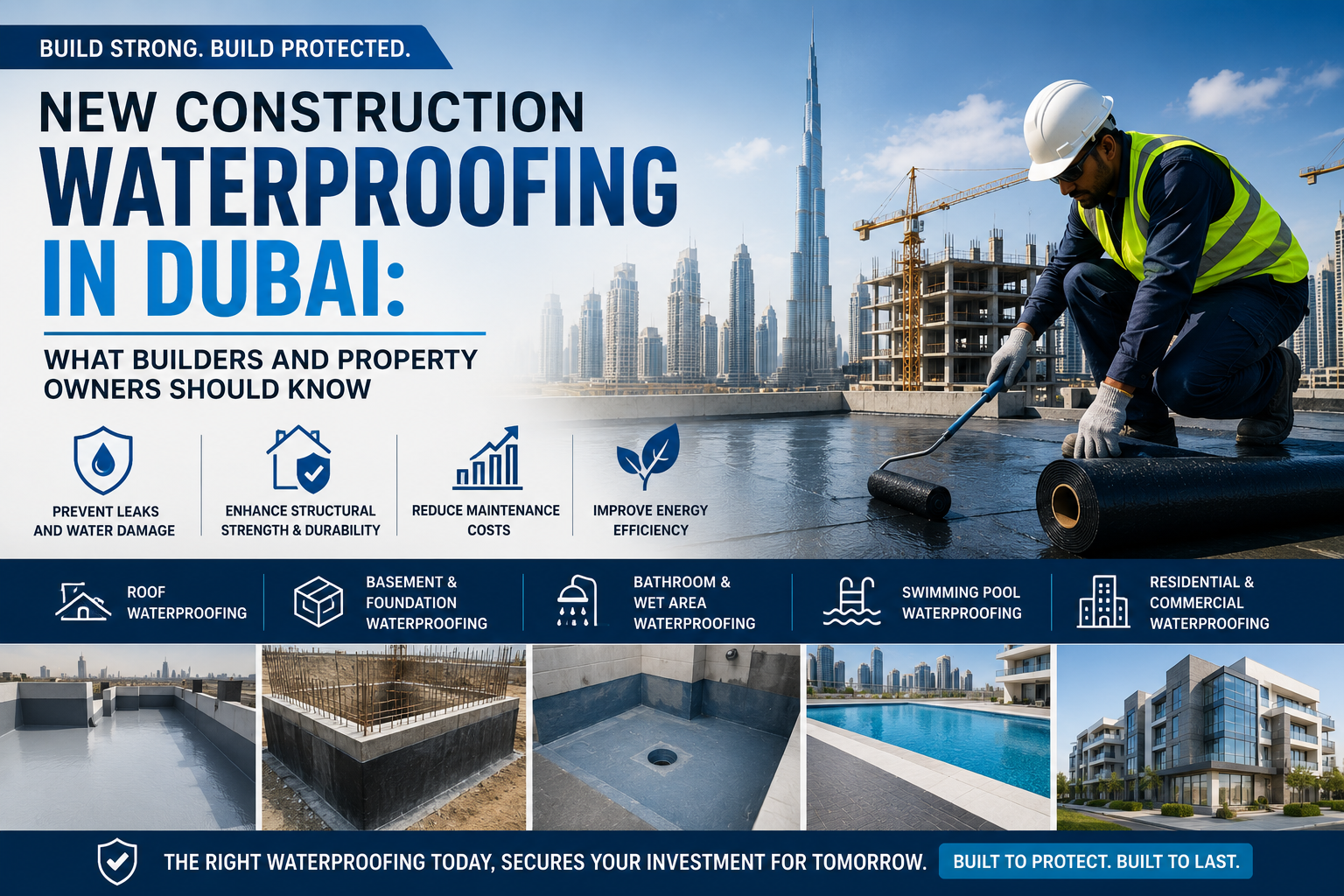
NEW CONSTRUCTION WATERPROOFING IN DUBAI: WHAT BUILDERS AND PROPERTY OWNERS SHOULD KNOW
Admin
24 Aug 2026
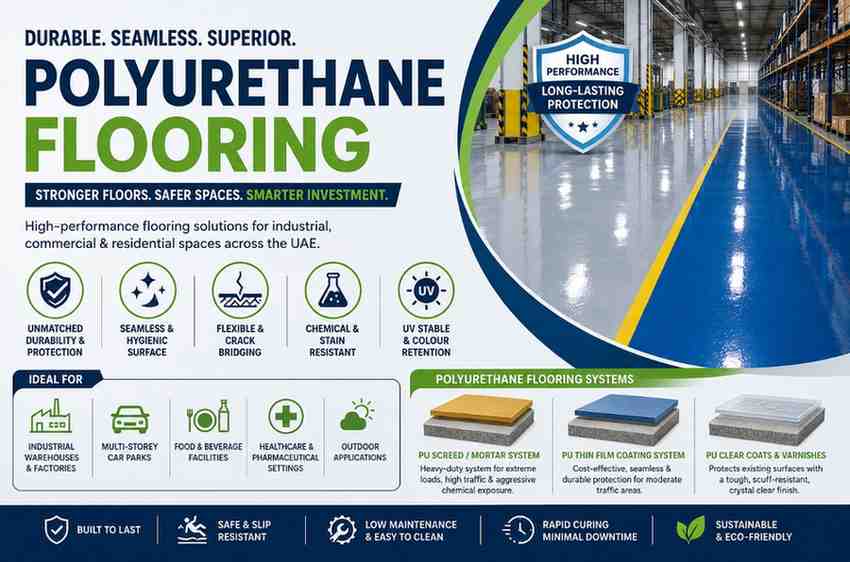
WHAT IS POLYURETHANE FLOORING? A COMPLETE GUIDE TO BENEFITS AND APPLICATIONS
Admin
30 Jul 2026
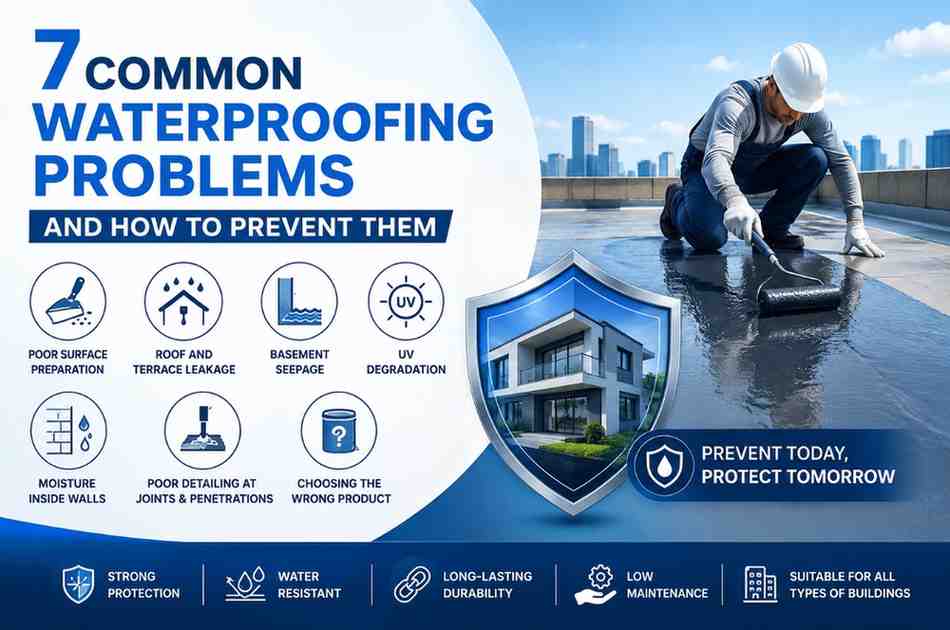
7 COMMON WATERPROOFING PROBLEMS IN BUILDINGS AND HOW TO PREVENT THEM
Admin
30 Jul 2026