
 Admin
Admin
 30 Jul 2026
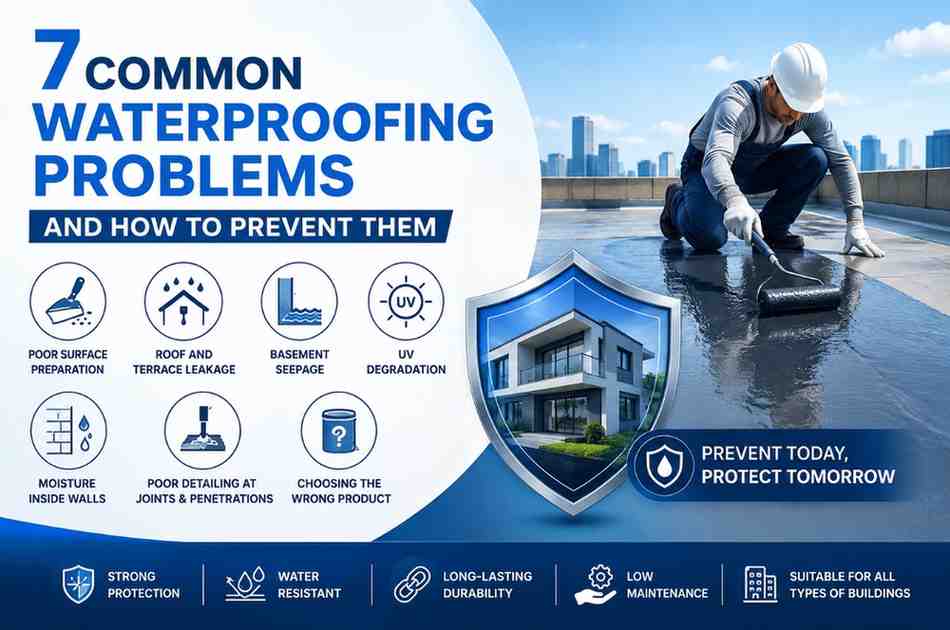
Every year, building owners spend thousands every year on repairs that could have been avoided with proper waterproofing. A small damp patch or minor crack can quickly escalate into costly structural damage, ruined interiors, and persistent maintenance headaches. The good news is that most of these issues are preventable with the right knowledge and materials.
Inadequate surface preparation is a leading cause of waterproofing failure. Dust, oil, loose particles, or moisture on the substrate prevent waterproofing materials from adhering correctly, creating weak points where water can penetrate. To prevent this, surfaces must be thoroughly cleaned, repaired, and primed according to product specifications. Professional application ensures the membrane bonds correctly and performs as intended for years.
Roofs and terraces are constantly exposed to standing water, foot traffic, and temperature fluctuations. Small cracks, damaged joints, or poor drainage often lead to leaks that spread into ceilings and walls. Routine inspections can identify early signs of wear before they become serious. High-performance waterproof coatings and membrane systems offer strong protection while maintaining the flexibility needed to accommodate structural movement.
Basements are vulnerable because groundwater pressure forces moisture through concrete walls and floors. Over time, this leads to building water damage, weakened concrete, corroded reinforcement, and unhealthy indoor conditions. The best defence is proper waterproofing during construction. Cementitious coatings, crystalline systems, and protective membranes create an effective barrier, while drainage systems should work in tandem with waterproofing for complete protection.
Prolonged exposure to sunlight breaks down many waterproofing materials, causing them to become brittle, chalky, and inflexible. A roof that is not UV stable will degrade quickly, cracking and allowing water to penetrate. The solution is simple: choose UV-resistant materials. A silicone roof waterproofing system, for example, is inherently stable in sunlight, reflecting rays rather than absorbing them and protecting itself from degradation.
Peeling paint, mould growth, unpleasant odours, and damaged plaster are signs that water is travelling through walls or trapped within the building envelope. The solution starts with identifying the actual source of moisture rather than simply treating visible damage. Exterior wall waterproofing, crack sealing, and proper joint treatment stop water from entering while preserving the building’s structural integrity.
Most leaks do not occur in the middle of a flat surface; they happen at edges, corners, drains, and where pipes penetrate the roof. These are the weak points. Standard membrane applications often fail to create a perfect seal around these complex geometries, allowing water to exploit gaps and cause rot, rust, and peeling finishes. Prevention requires careful attention to application methods. Using a waterproofing solution that can be reinforced in critical areas is vital. A system that adheres strongly to various substrates creates a monolithic barrier at the most vulnerable points. For projects in demanding climates, such as those in Dubai, selecting durable joint sealants and compatible systems is essential to prevent cracks from developing into major leakage points.
There is no one-size-fits-all waterproofing solution. A material suitable for a basement may fail on a sun-exposed roof, and a product designed for a flat surface will not perform well at a complex junction. For example, a rigid cementitious coating will crack with structural movement, while a product suited to a moderate climate may not survive thermal stress elsewhere. The solution is to choose systems engineered for the specific application. Use highly elastic liquid rubber membranes for high-movement areas, durable silicone coatings for exposed flat roofs, and crystalline admixtures for concrete structures. Trusting in proven, specialized systems ensures reliable, long-lasting protection.
Even the best waterproofing system requires regular inspection. Small cracks, damaged sealants, blocked drainage outlets, or mechanical damage can reduce performance over time. Simple annual maintenance checks allow property owners to address minor issues before they develop into extensive waterproofing failure. Preventive maintenance is always more economical than major structural repairs.
A successful waterproofing system depends on both quality materials and correct application. To maximise performance:
These steps help reduce maintenance costs while extending the life of your building.
Water damage rarely happens overnight. It starts with small warning signs that become expensive problems when ignored. From roof leaks and basement seepage to damp walls and failed joints, every issue can be prevented with the right planning and quality waterproofing solutions. Choosing the right partner is as important as selecting the right product. A complete range of reliable, durable, and compatible solutions suitable for residential, commercial, and industrial applications—ensures your building remains safe, dry, and protected for years to come.
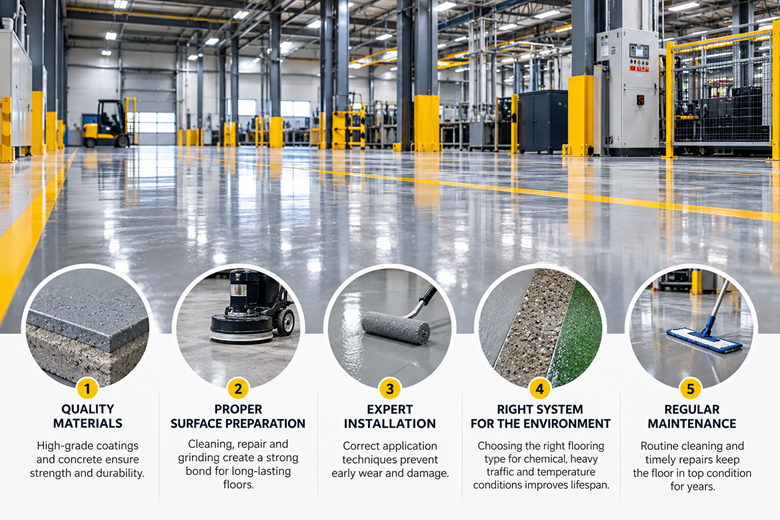
What Makes Some Industrial Floors Last Longer Than Others?
Admin
19 Oct 2026
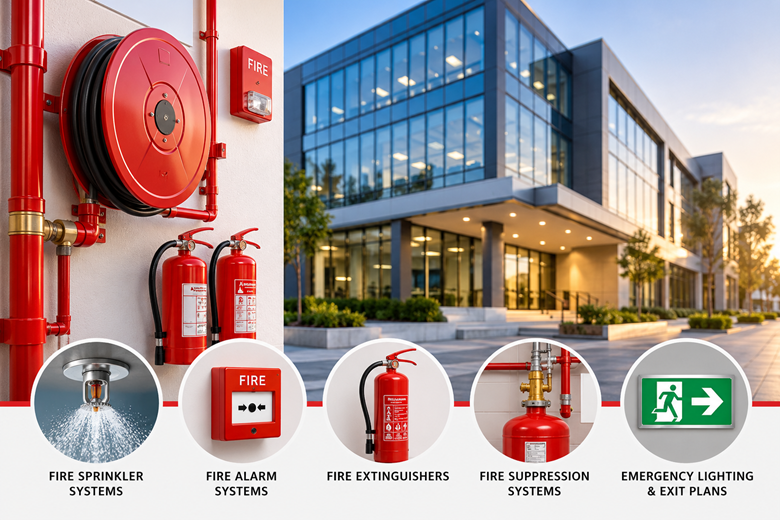
Fire Protection Methods For Commercial Buildings: What Every Owner Should Know
Admin
18 Oct 2026
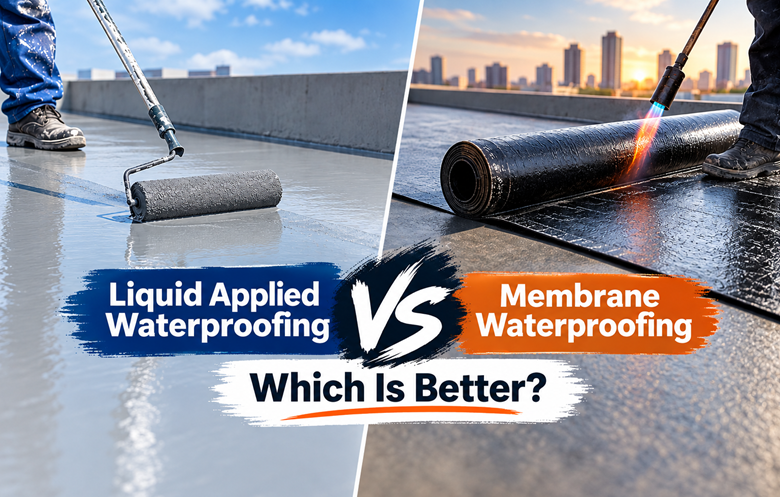
Liquid Applied Waterproofing Vs Membrane Waterproofing and Which Is Better?
Admin
23 Sep 2026
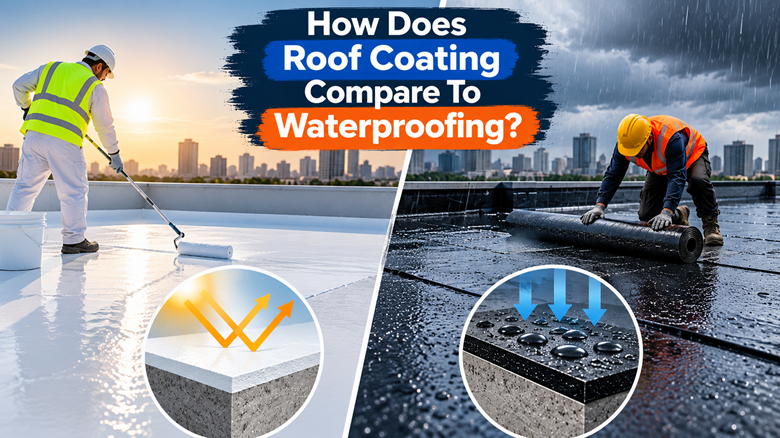
How Does Roof Coating Compare To Waterproofing?
Admin
20 Sep 2026
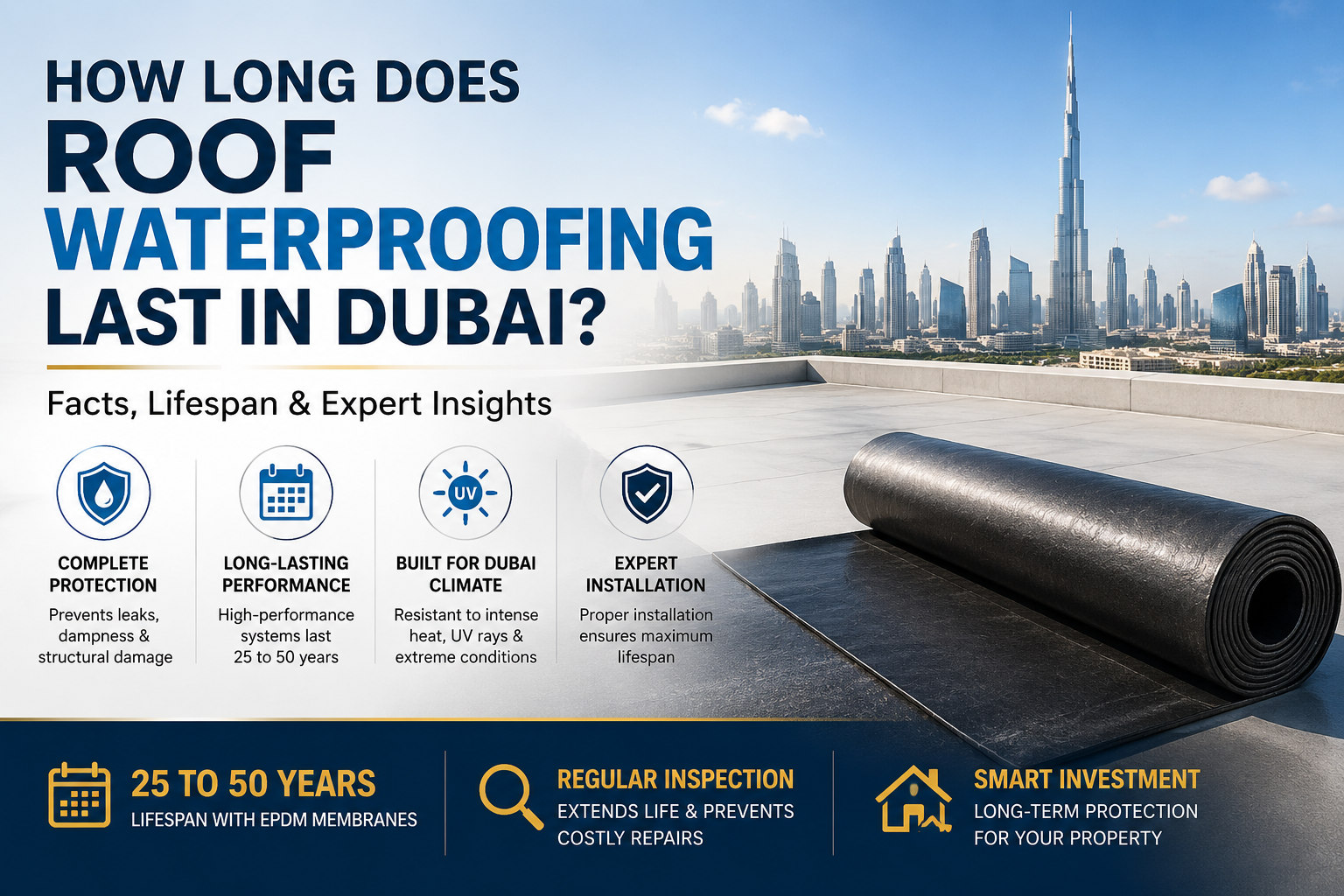
HOW LONG DOES ROOF WATERPROOFING LAST IN DUBAI?
Admin
25 Aug 2026
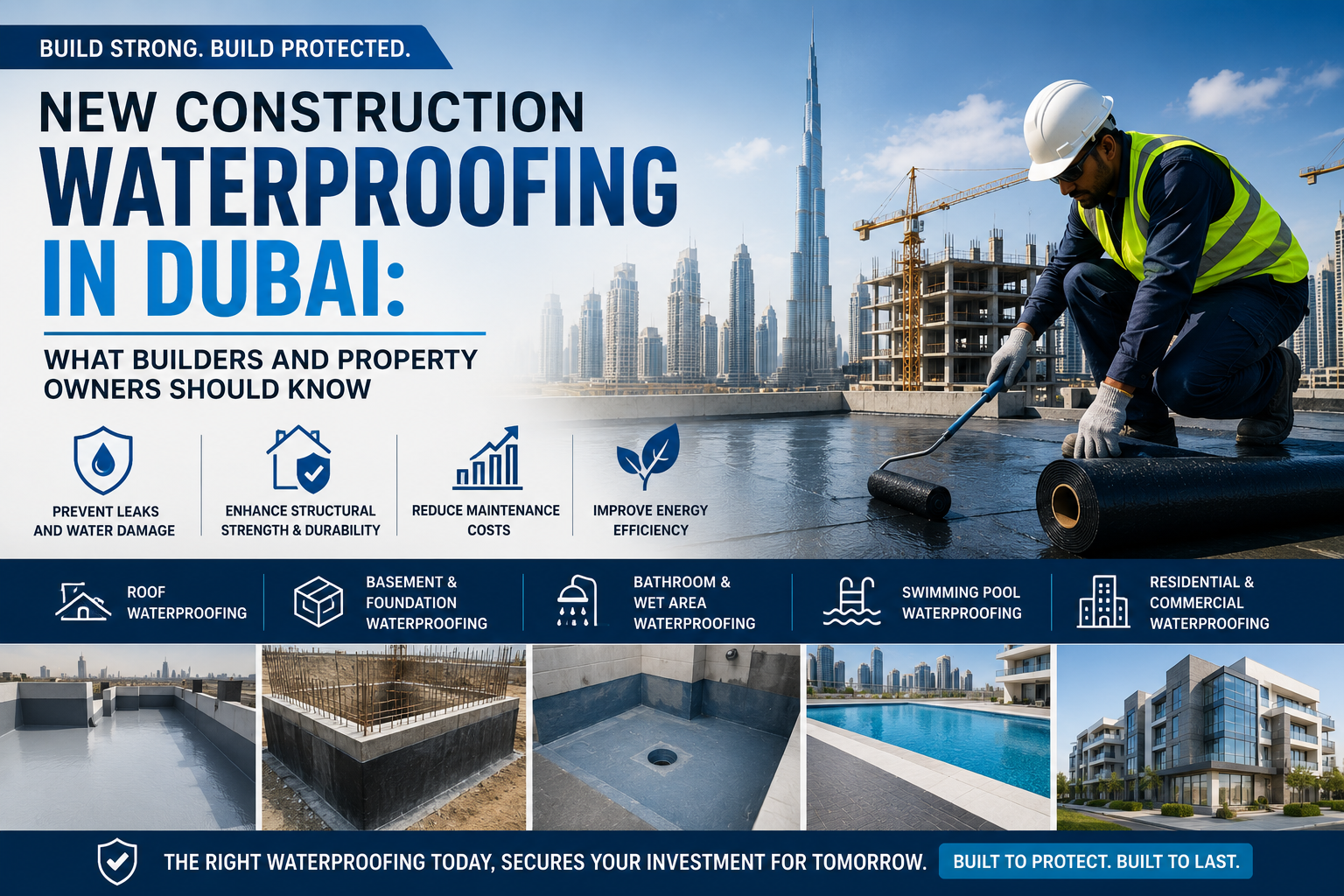
NEW CONSTRUCTION WATERPROOFING IN DUBAI: WHAT BUILDERS AND PROPERTY OWNERS SHOULD KNOW
Admin
24 Aug 2026