
 Admin
Admin
 23 Sep 2026
If you’ve ever tried to fix a leaking roof, you’ve probably come across this debate. Maybe a contractor recommended one option, your neighbour swore by the other, and now you’re standing there wondering who to believe.
Here’s the truth: neither option is “better” in every situation. It depends on your roof, your building, and what you’re actually trying to protect against. But by the end of this post, you’ll know exactly which one suits your situation and why.
Before we start picking sides, let’s quickly cover what each method actually is.
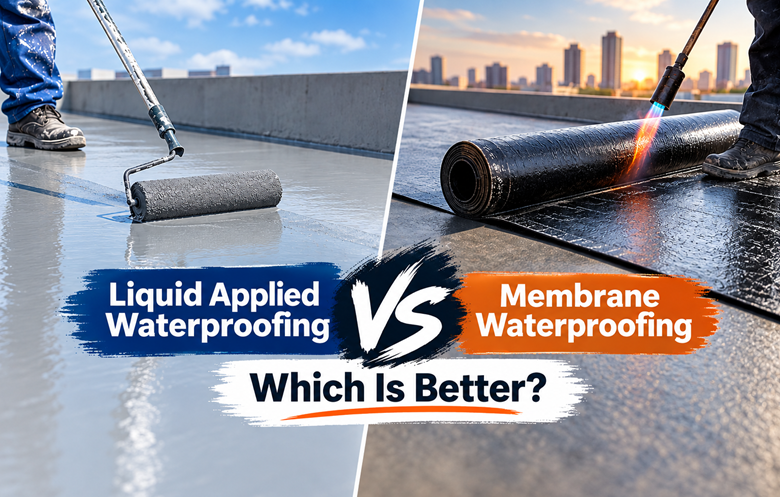
Liquid-applied waterproofing is exactly what it sounds like. It’s a liquid material, usually a rubber, acrylic, polyurethane, or silicone-based product that gets applied to your roof surface, either by roller, brush, or spray. It cures into a seamless, rubbery membrane that bonds directly to the surface.
Membrane waterproofing comes in sheets or rolls. Think of it like laying down a protective carpet over your roof. These sheets can be bituminous, PVC, TPO, or EPDM, and they’re either glued down, heat-welded, or mechanically fixed to the roof.
This is the one most people lean toward when their roof has a lot of “stuff” going on and in the UAE, that’s most roofs.
Here’s why liquid-applied systems shine:
The catch? Application is everything. If the surface isn’t cleaned and primed properly, the whole thing fails. And as anyone in the industry will tell you, poor surface preparation is one of the most common waterproofing problems, not just in Dubai, but everywhere.
Membranes have been around a long time for a reason. They’re reliable, predictable, and when installed correctly, they last for decades.
Here’s where they win:
The catch? Those seams and joints we mentioned. Every overlap is a potential failure point, and complex roof geometry means more seams, which means more risk.
Here’s the honest answer: it depends on your roof, not on which product is trending.
In the UAE specifically, this decision matters more than it would in milder climates. Our buildings face relentless UV radiation, scorching heat, and occasional heavy rain that arrives with real force. Materials here need to handle temperature swings that would destroy weaker products elsewhere. There’s a good reason roof waterproofing is essential for buildings in harsh climates and it’s not just about rain.
So, let’s match the method to the situation:
Go with liquid-applied if:
Go with membrane if:
Many commercial and industrial projects actually use both. Membranes for the big open areas, and liquid systems for all the tricky details around drains, joints, and penetrations. That’s often the smartest approach.
Here’s the thing most people don’t realise until it’s too late: waterproofing failures rarely happen in the middle of a roof. They happen at the edges, corners, joints, and where pipes come through. That’s why the method you choose and more importantly, how it’s applied matters so much. A membrane laid perfectly across a flat surface but poorly sealed at a drain is still going to leak. A liquid system applied without proper surface prep will peel within a couple of years.
The good news? Both problems are preventable. But they require expertise, not guesswork.
After all this, here’s the bottom line: the method matters, but the application matters more.
You can buy the best EPDM membrane in the world and still end up with a leaking roof if it’s installed over a dirty, uneven surface. You can use a premium liquid rubber system and watch it fail in two years if the wrong primer was used.
So instead of asking “which is better,” ask:
Your roof is your building’s first line of defense. Choose the method and the team that takes that seriously.
Liquid Applied Waterproofing Vs Membrane Waterproofing and Which Is Better?
Admin
23 Sep 2026
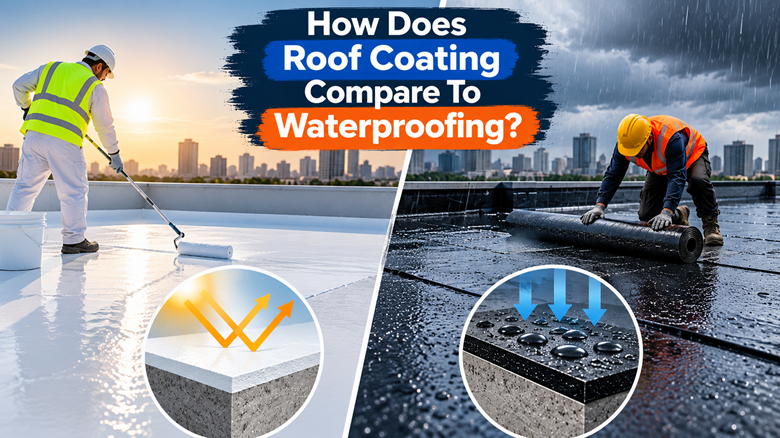
How Does Roof Coating Compare To Waterproofing?
Admin
20 Sep 2026
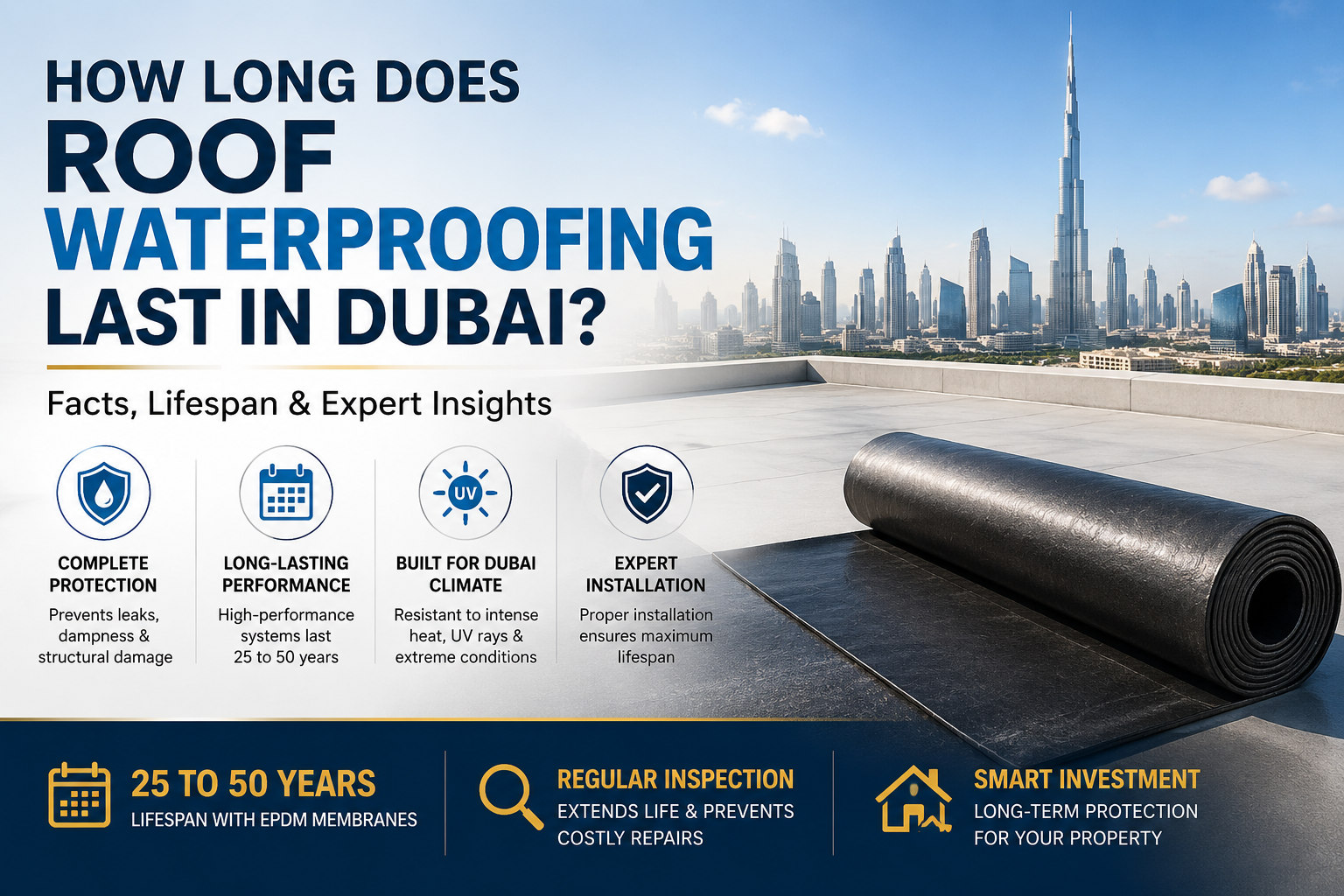
HOW LONG DOES ROOF WATERPROOFING LAST IN DUBAI?
Admin
25 Aug 2026

NEW CONSTRUCTION WATERPROOFING IN DUBAI: WHAT BUILDERS AND PROPERTY OWNERS SHOULD KNOW
Admin
24 Aug 2026
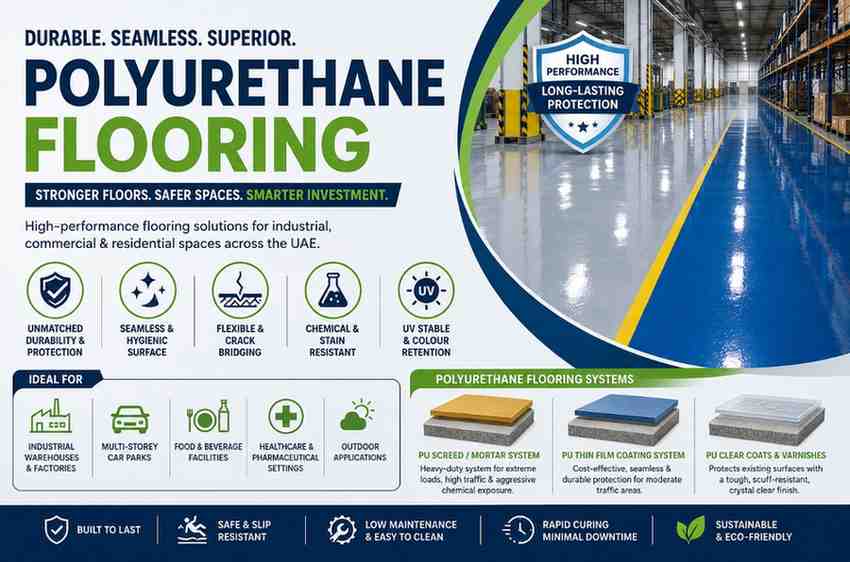
WHAT IS POLYURETHANE FLOORING? A COMPLETE GUIDE TO BENEFITS AND APPLICATIONS
Admin
30 Jul 2026
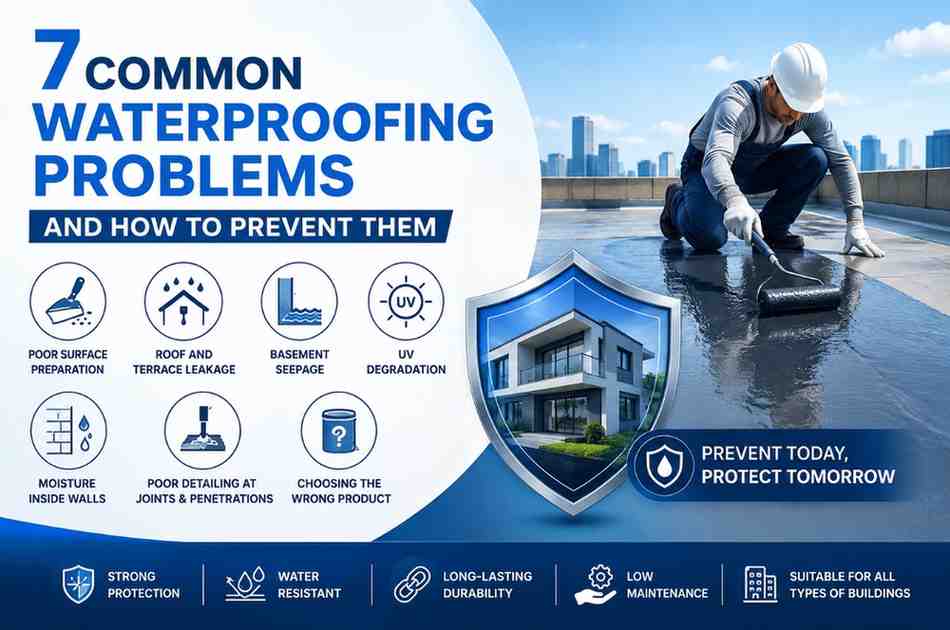
7 COMMON WATERPROOFING PROBLEMS IN BUILDINGS AND HOW TO PREVENT THEM
Admin
30 Jul 2026