
 Admin
 18 Oct 2026
Consider the last time you visited a shopping mall, a high-rise or an airport terminal. Hundreds of individuals surrounding you, all of them going about their day, and none of them thinking what would have happened were there to be a fire breakout. And it is just the way it ought to be. There is a lot of planning behind that calm, however, and it is the type of planning that we all ought to be concerned about.
Fire protection is not initiated with a product. It begins on paper. The layout of a building determines the speed at which a fire can spread and the speed at which occupants can evacuate the building.
Good design implies there should be clear escape routes, broad staircases, exit doors where they are supposed to be and a sufficient separation between different areas. Many buildings are divided into fire compartments, which are sections constructed to keep a fire in one zone within a predetermined time. This will purchase your occupants valuable time and will provide emergency teams with a more advantageous opportunity to respond.
When planning a new project, fire safety should be brought in the first meeting. It is true that it is always more expensive and ineffective to fix the problems later.
Passive protection is the silent servant in your building. It does not turn on or make noise. It is just installed in the walls, floors, ceilings and structure to slow down a fire.
The following are the general components:
1. Fire proof walls and floors preventing the transfer of fire and heat to the adjacent area.
2. Fire doors that shut well and close any gaps hence smoke does not move via corridors.
3. Firestop sealants around pipes, cables and ducts. These little holes are forgettable, but fire and smoke are fond of them.
The last point is worth a more detailed examination. Steel is tough, however, it becomes weak at the onset of rising temperatures. A coating over the steel members or other surfaces can delay the transfer of heat and your structure can have more time to remain standing. One of the easiest methods of providing a layer of defence without altering appearance or function of your building is a good Fire Retardant Coating. This is a segment that we are very passionate about and our range of protective coating products were created specifically to meet these requirements.
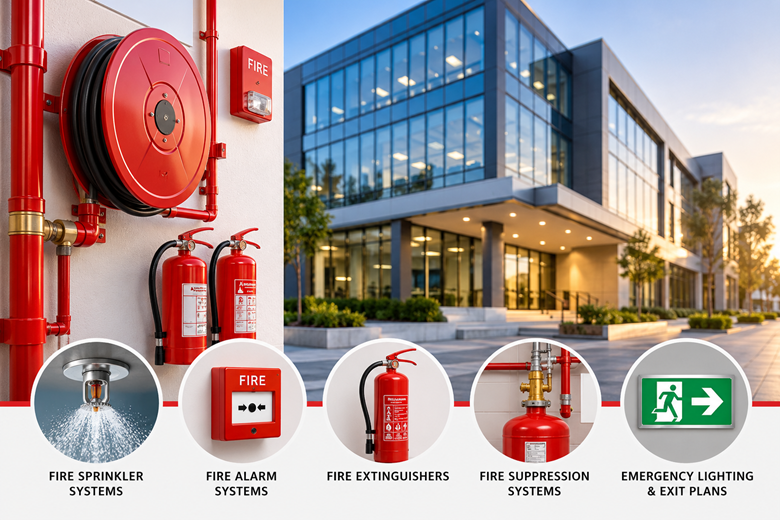
If passive protection is the quiet worker, the active protection is the alarm bell and the emergency crew. These are systems that respond when something goes wrong.
1. Smoke detectors and heat sensors that are early indicators of trouble.
2. Alarm systems that notify all those in the building in a loud and clear manner.
3. Water sprinklers that spray water where it is required.
4. Fire extinguishers and hose reels for quick action in the first moments.
5. Smoke extraction systems to clear escape routes to help individuals to breathe and see.
The main thing is that these systems assist in only those cases when they are needed. Often we hear building owners who put in everything properly and then lost track of it over the years. An untested sprinkler head is not a safety, but a danger.
Each building material has a role to play in the way a fire will act. Certain products are easily burned, produce a lot of smoke or emit toxic fumes. Others do not ignite, and retard. We at Organix, know the dangers that are involved with solvent based and flammable products and this is why we tend to use safer and eco friendly products where possible. When choosing insulation, sealants, adhesives and finishes, ask yourself a simple question, how would this perform in a fire? Your supplier should be able to answer that clearly. When they are unable to, that tells you something.
Fire protection is not a one time job. Coatings may be rubbed away, seals can crack, doors can get propped open and alarms may be switched off.
Make it a habit to:
1. Have all fire systems inspected periodically.
2. Damage check coatings and sealants, particularly following renovation.
3. Test alarms and emergency lighting on a fixed date
4. Keep records to ensure that nothing gets in between.
5. Train your employees. People are a part in your fire protection plan. When everyone are aware of the location of exits and the actions they should take in the event of an alarm, your building will be much safer.
The safest commercial buildings use layers. Smart design, passive protection, active mechanisms, careful materials selections and stable maintenance all collaborate. When one layer is frail, the other layers must bear additional weight and that is not a scenario one would desire.
We believe protecting a building means protecting the people inside it, and that is a responsibility we all share, from developers to facility managers to the teams who make the products.
What Makes Some Industrial Floors Last Longer Than Others?
Admin
19 Oct 2026
Fire Protection Methods For Commercial Buildings: What Every Owner Should Know
Admin
18 Oct 2026
Liquid Applied Waterproofing Vs Membrane Waterproofing and Which Is Better?
Admin
23 Sep 2026
How Does Roof Coating Compare To Waterproofing?
Admin
20 Sep 2026
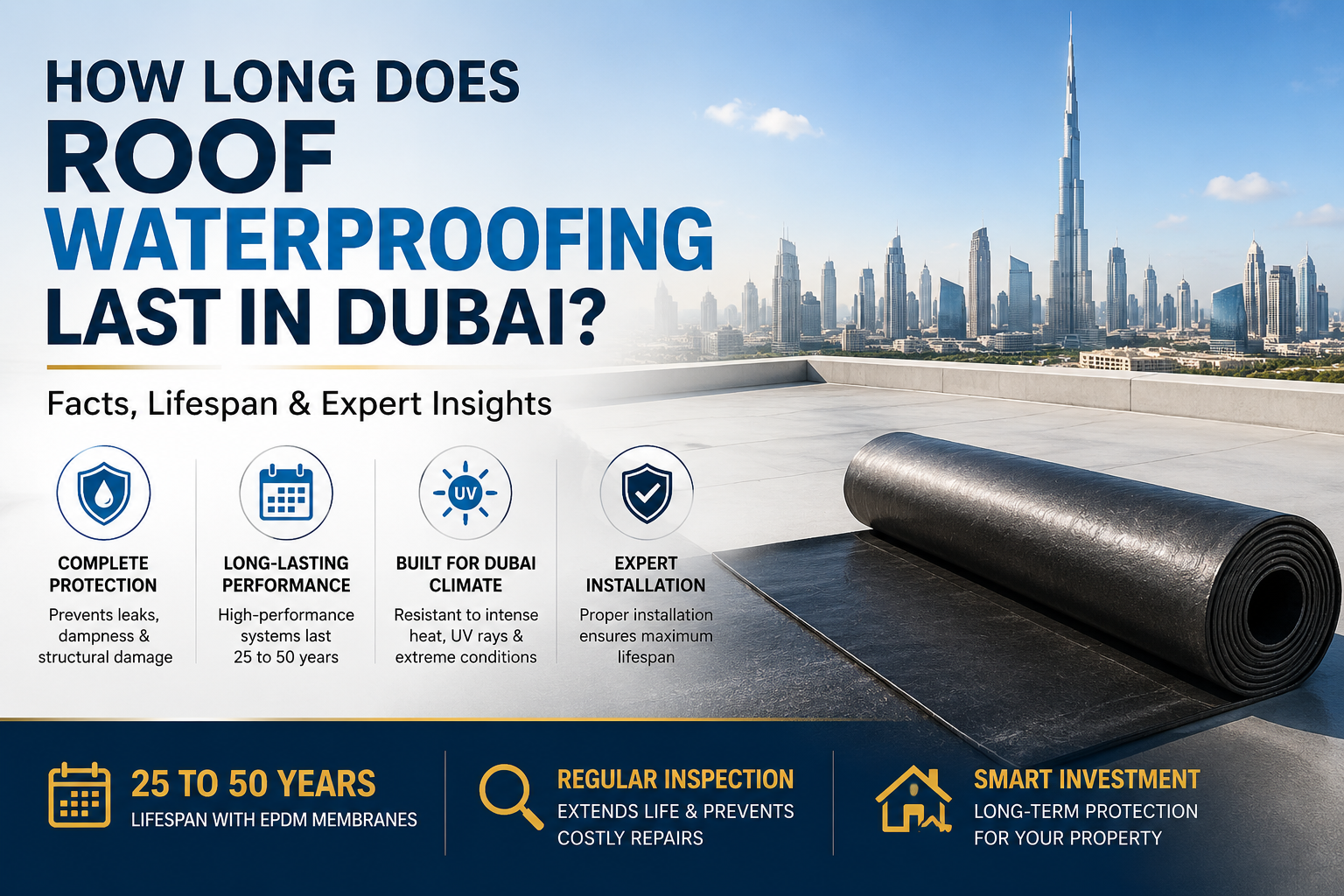
HOW LONG DOES ROOF WATERPROOFING LAST IN DUBAI?
Admin
25 Aug 2026
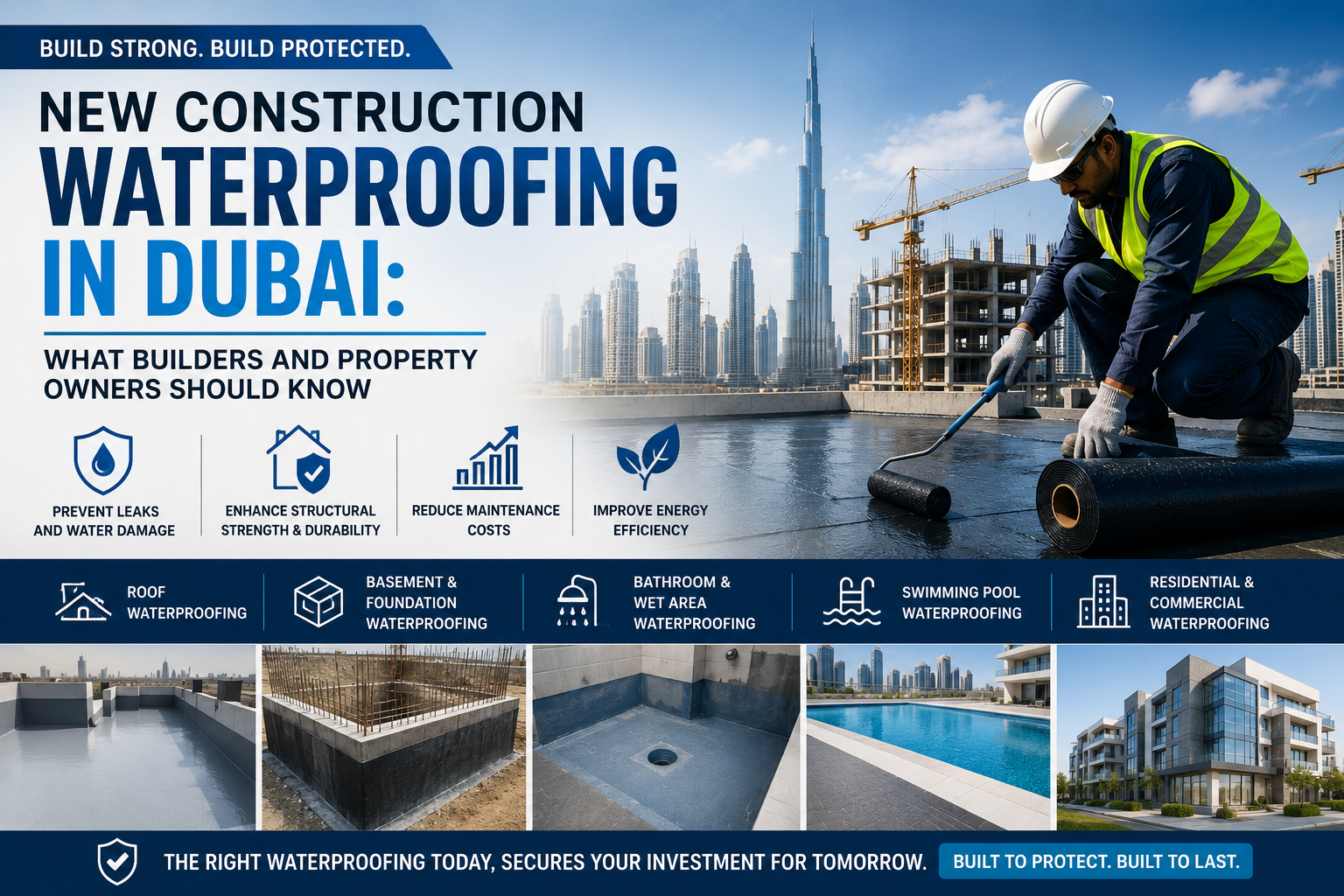
NEW CONSTRUCTION WATERPROOFING IN DUBAI: WHAT BUILDERS AND PROPERTY OWNERS SHOULD KNOW
Admin
24 Aug 2026