
 Admin
Admin
 30 Mar 2026
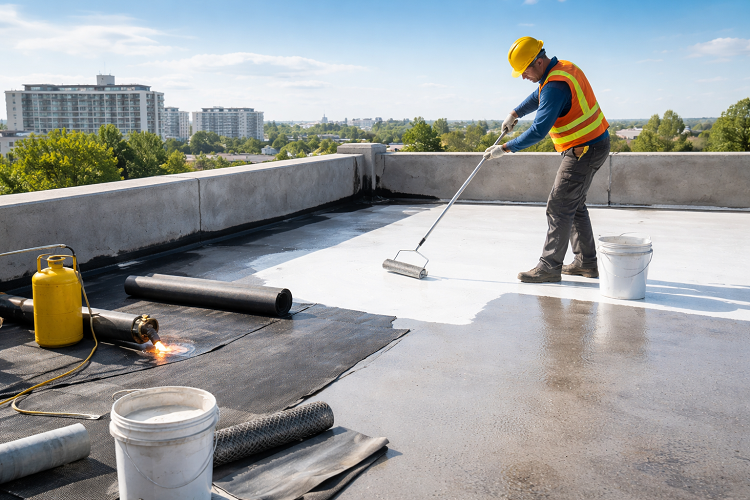
Many of us only think about waterproofing when a leak appears. By then, damage has already begun. Concrete is naturally porous and absorbs water over time, leading to cracks, leaks, and costly repairs. This is where concrete roof waterproofing becomes essential. With the right materials and professional application, your roof becomes a true barrier that protects your entire building.
By the end of this article, you will understand how the right concrete roof waterproofing solutions can protect your property and why choosing professionals like Organix Building System makes all the difference.
Concrete roof waterproofing is the process of applying protective systems that stop water from penetrating the roof slab. While concrete is strong and durable, it contains microscopic pores that allow water to seep through. A proper waterproof coating for a concrete roof creates a sealed barrier on the surface, blocking water infiltration and protecting your building’s structural integrity. Modern concrete roof waterproofing solutions are designed to stop leaks while improving durability and flexibility.
So, is waterproofing really necessary? The answer is yes. Investing in waterproofing for concrete roof structures is one of the smartest decisions you can make. Without it, your roof is vulnerable. Water finds the smallest path, and once it enters, it causes real damage. It corrodes the steel reinforcement inside the slab, weakening your structure. It also leads to dampness, peeling paint, and unhealthy mold growth.
We have seen first-hand the toll that water leakage takes on properties. When water breaches a roof, the issues rarely stay isolated to the ceiling. Here are some of the common problems:
• Structural deterioration
• Unhealthy indoor environments
• Aesthetic damage
• Costly repairs
Professional concrete roof leak repair, combined with proper concrete roof waterproofing, is necessary to stop these issues permanently.
Liquid-applied waterproofing membranes: This modern method uses a liquid coating like our DRYTEX.LR3000, applied by roller, brush, or spray. It cures into a seamless, flexible, rubber membrane that flows into every crack and corner. With no joints or seams, it is a fantastic choice for roofs with complex shapes or multiple penetrations like pipes and AC units.
Cementitious waterproofing: This approach uses a polymer-modified cement-based coating. It is valued for its strong adhesion and durability. Easy to mix and apply, it creates a rigid, tough barrier. While it offers excellent protection, it is less flexible than liquid rubber membranes, making it best suited for surfaces where structural movement is minimal.
Crystalline waterproofing technology: Unlike surface coatings, this technology works from within the concrete. Products like our DRYTEX.CW400 uses chemicals that react with moisture to grow millions of insoluble crystals deep inside the concrete’s pores and capillaries. These crystals permanently block water pathways. A standout benefit is its self-healing nature. If a hairline crack forms later, exposure to water triggers new crystal growth to automatically seal the gap. It becomes part of the concrete itself.
Selecting the right waterproofing material is essential. The best waterproofing for concrete roofs depends on your specific situation. For a seamless, flexible, fast-curing solution, liquid rubber membranes are exceptional. Our DRYTEX.LR3000 offers excellent adhesion and chemical resistance, making it a versatile choice. For a permanent, integrated solution, crystalline waterproofing is the ultimate choice. It turns the concrete itself into a waterproof barrier, ideal for long-term, maintenance-free protection.
When you choose to invest in professional concrete roof waterproofing solutions, the benefits extend far beyond just stopping a drip. You are investing in the overall quality and longevity of your property.
Selecting the right waterproofing system requires careful evaluation of several technical factors.
• Roof slope, roof usage, and drainage system
• Condition of existing concrete surface
• Presence of cracks or structural movement
• Compatibility of materials with the roof slab
• Expected lifespan of the waterproofing system
A professional inspection helps determine the most suitable concrete roof waterproofing methods for each building.
Concrete roof waterproofing is a vital preventive measure for your building. Choosing the right concrete roof waterproofing methods and quality materials helps extend your roof’s life. Professional waterproofing for concrete roof applications seals out water and protects structural integrity. At Organix Building System, our concrete roof waterproofing solutions deliver reliable, long-lasting protection.
Choosing the right waterproofing systems helps improve roof durability and long-term moisture protection.
The “best” method truly depends on your specific needs. For a seamless, flexible, and fast application, liquid rubber membranes like our DRYTEX.LR3000 is an outstanding choice. For permanent protection that becomes part of the concrete itself, crystalline waterproofing is the superior option.
Waterproofing a concrete roof typically involves surface preparation, crack repair, application of primer, and installation of a waterproof coating or membrane. Professional waterproofing for concrete roof systems ensures proper sealing and long-term protection.
The lifespan of your waterproofing system depends on the materials used and the quality of installation. A high-quality liquid-applied membrane or a crystalline waterproofing system, applied by experienced professionals, can last between 10 and 20 years with proper maintenance and periodic inspection.
Polyurethane coatings, elastomeric coatings, and bituminous membranes are among the most effective materials used as waterproof coatings for concrete roof systems. The right material is selected based on the roof structure and performance requirements.
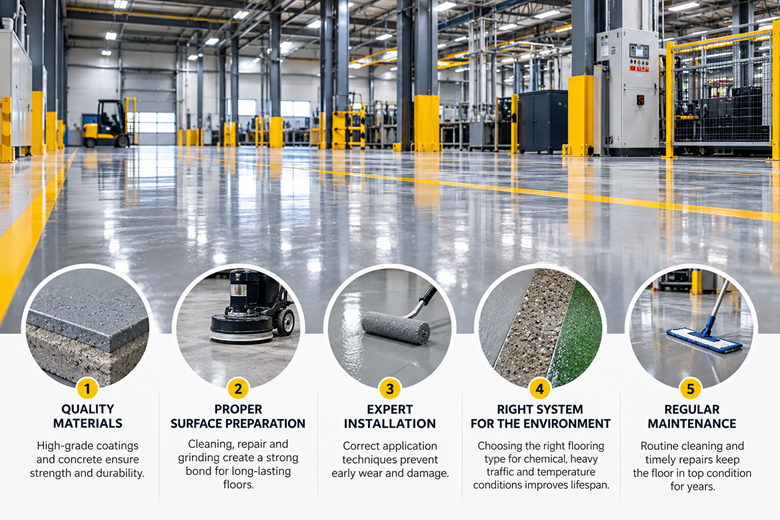
What Makes Some Industrial Floors Last Longer Than Others?
Admin
19 Oct 2026
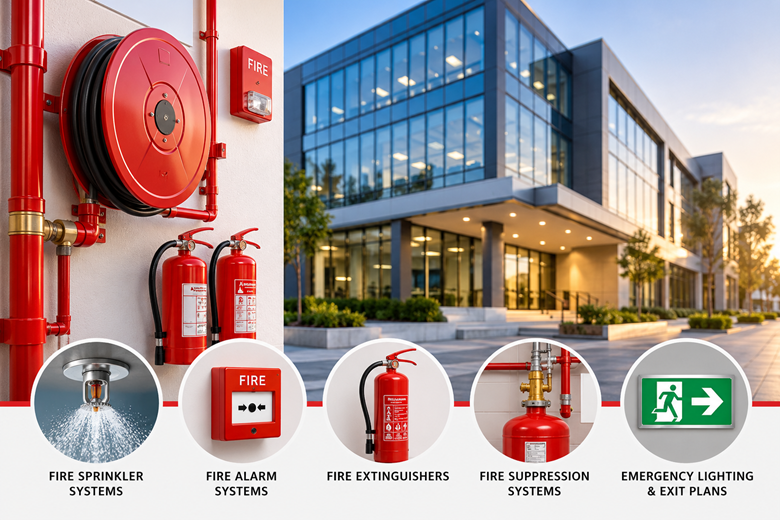
Fire Protection Methods For Commercial Buildings: What Every Owner Should Know
Admin
18 Oct 2026
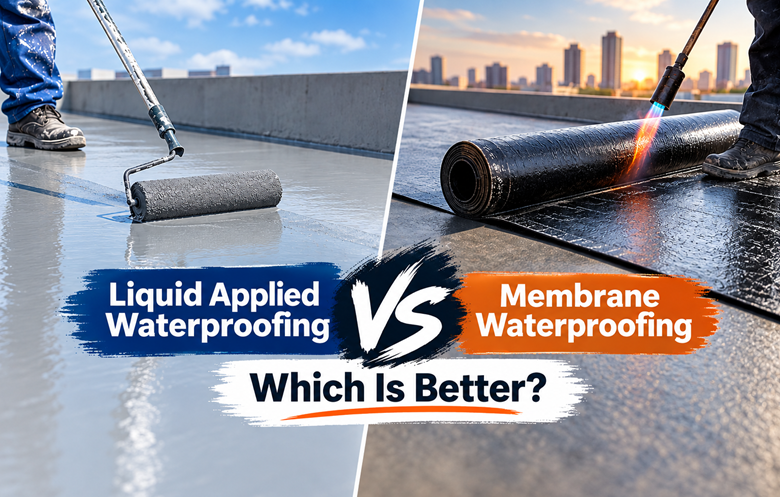
Liquid Applied Waterproofing Vs Membrane Waterproofing and Which Is Better?
Admin
23 Sep 2026
How Does Roof Coating Compare To Waterproofing?
Admin
20 Sep 2026
HOW LONG DOES ROOF WATERPROOFING LAST IN DUBAI?
Admin
25 Aug 2026
NEW CONSTRUCTION WATERPROOFING IN DUBAI: WHAT BUILDERS AND PROPERTY OWNERS SHOULD KNOW
Admin
24 Aug 2026