Enquire Now Call Us Email Us

Building Smarter: How Self-Healing Construction Chemicals Are Revolutionizing the Industry

For decades, the story has been the same. You spot a damp patch on the ceiling or a hairline crack on a concrete beam. Your heart sinks. You know what comes next: the frantic calls to waterproofing contractors, the disruptive investigative work to find the source, the noise, the dust, and the mounting invoice for what is often just a temporary fix. It’s a reactive, expensive cycle that has plagued the construction industry since its inception.
But what if we told you that the future of building is shifting dramatically from reactive to proactive? What if the very materials your structure is made of could sense damage and repair themselves? This is the thrilling reality made possible by the next generation of smart construction chemicals. This innovation is poised to fundamentally change how we conceptualize durability, longevity, and sustainability in building, especially here in the demanding UAE environment.

Smart Construction Chemicals Explained

Smart construction chemicals and additives aren’t your standard products; they are intelligently designed systems embedded within the building material. Let’s break down how they work in simple, relatable terms.
• Shape Memory Alloys (SMAs): The Muscle Memory of Your Building. Imagine these special metals as the built-in muscle memory of your structure. These alloys can be bent or deformed, but when triggered by an external stimulus like heat (think of the powerful UAE sun), they remember and snap back to their original, pre-defined shape. Now, envision this technology embedded within expansion joints or critical seals. A small crack opens, the sun heats the metal, and it expands back to its original form, closing the gap seamlessly and autonomously. This is a powerful example of how advanced construction chemicals are creating dynamic, responsive buildings.

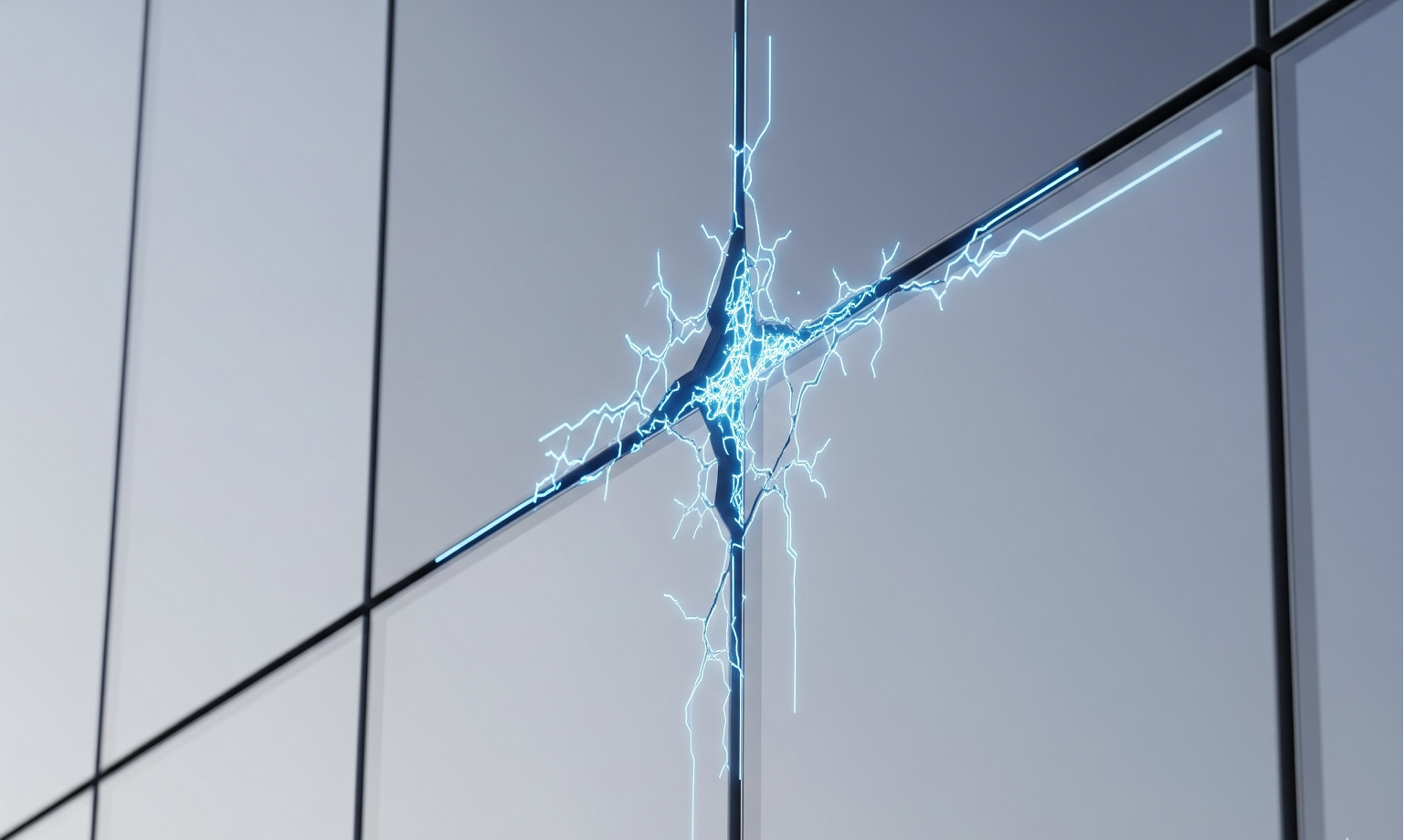
• Piezoelectric Materials: The Building’s Nervous System. These materials act as the intelligent nervous system within a structure. They possess a fascinating property: they generate a small electrical charge when they are squeezed, stressed, or deformed. So, when a micro-crack begins to form, the stress on the material creates a tiny spark of electricity. This spark can then be designed to trigger another healing mechanism, such as releasing a healing agent from a nearby capsule. It’s a built-in alarm and repair system, all in one, working silently behind the scenes.

Why This Is A Quantum Leap For UAE Construction?

The advantages of integrating these smart construction chemicals into our builds are profound, and the benefits are magnified under the unique pressures of the UAE climate.
• Dramatically extended lifespan: Structures infused with these technologies last significantly longer because minor damage is repaired almost instantly.
• Massive, long-term cost savings: You drastically reduce and, in some cases, eliminate the need for emergency repairs, constant maintenance calls, and the associated operational downtime.
• Unmatched durability in our harsh climate: Self-healing materials are specifically designed to not just withstand climatic conditions but to actively adapt to and overcome the damage they cause, offering a new level of resilience we’ve never seen before.
• Enhanced public and private safety: By autonomously repairing small cracks in critical structures like bridges, high-rise foundations, and parking garages, we significantly enhance overall structural integrity and safety for everyone who uses them.

The Superstars Of Self-Healing: Microbes And Microcapsules

Two technologies, in particular, are leading the charge in self-healing concrete

  1. Microcapsule-Based Healing: Imagine millions of microscopic capsules (think of them as super-tiny, resilient bubbles) filled with a special healing agent being mixed directly into the concrete batch. As long as the concrete is intact, these capsules remain dormant. But when a crack forms and propagates through the material, it ruptures the capsules in its path. This releases the liquid healing agent into the void. Upon contact with the air or a catalyst embedded in the concrete, the agent hardens perfectly and seamlessly, sealing the crack from within.
  2. Bacterial Healing (Bio-Concrete): It represents a beautiful synergy between biology and construction science. This special concrete is infused with harmless, dormant spores of bacteria, along with a food source for them (like calcium lactate). The bacteria sleep peacefully until the day the concrete cracks and water seeps in. This water wakes the bacteria up. They begin to feed, and as a natural by-product of their metabolic process, they produce limestone.

Where Will We See This?

This technology is set to transform every facet of our built environment:
• Bridges and overpasses
• High-rise building facades and roofs
• Roads and pavements
• Underground structures

The construction story of the UAE has always been one of audacious vision and looking forward. This future of autonomous repair aligns perfectly with the UAE’s national vision of innovation and sustainability. It means building things once, and building them right, for generations to come. It means conserving resources, reducing waste from repair works, and creating a safer, more durable urban landscape.
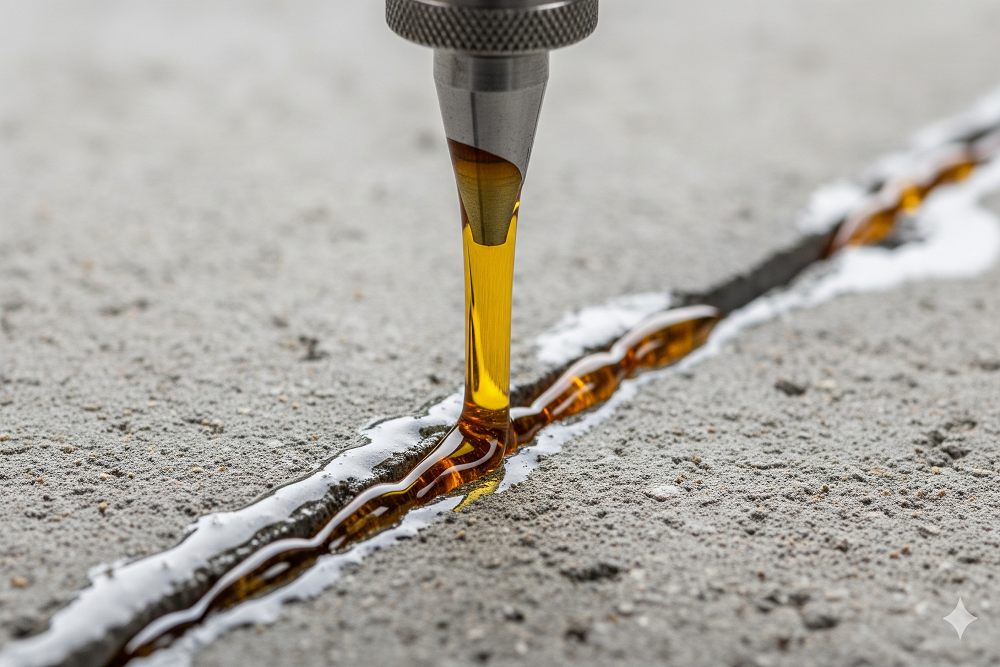
When Should You Use Polyurethane Injection Resin For Waterproofing?

When you live in a place like the UAE, where soaring temperatures, high humidity, and frequent building shifts are part of daily life, you begin to notice how even concrete, which is supposed to be rock-solid, can start to show signs of stress. We’ve all seen it: small cracks creeping along basement walls, damp patches on ceilings, or water leaking through joints that should be sealed tight. It’s easy to dismiss them at first, after all, they’re just cracks, right? But over time, they grow, water seeps in, and before you know it, a minor issue turns into a major headache.
That’s where Polyurethane Injection Resin comes in. And trust us, it’s not just for big construction companies or technical experts. At Organix Building Systems, we believe you deserve to know how this simple yet powerful solution can protect your home, your investment, and your peace of mind.

What Is Polyurethane Injection Resin?

Polyurethane Injection Resin is a flexible, expanding material that’s injected into cracks in concrete to seal them off. It works like magic; once it enters the crack, it reacts (usually with water) and expands, filling all the empty spaces. It then cures into a rubbery, waterproof seal that keeps water out and handles movement like a pro.
This makes it an ideal solution for non-structural cracks, the kind that may not affect the strength of your building, but can cause serious leaks and water damage. If you’re dealing with active leaks in your basement, water trickling into your parking area, or constant damp patches near your pool, this is the hero material you’ve been waiting for.

How Is Polyurethane Different From Epoxy?

You might have heard of epoxy injection, too. Both materials are used to repair cracks in concrete, but they serve very different purposes.
Epoxy injection uses a rigid and strong material, making it ideal for repairing structural cracks, such as those found in beams and columns. Once cured, epoxy becomes hard and brittle. It offers excellent water resistance and is typically applied using a high-pressure injection method. However, it has a slower curing time compared to other options.

On the other hand, polyurethane injection resin is a flexible and expanding material, best suited for sealing leaking or moving cracks in areas like walls, basements, and roofs. After curing, it remains flexible, which makes it effective in environments with movement or vibration. It also provides excellent water resistance, especially when formulated with hydrophilic or hydrophobic properties. This type of injection is applied using a low-pressure, foam-based method and cures quickly, often within minutes.

Why Polyurethane Injection Resin Is Ideal For The UAE

In our work across Dubai, Abu Dhabi, Sharjah, and other Emirates, we’ve seen firsthand how effective polyurethane injection resin is in local conditions. Here’s why we often recommend it to our clients:
• It handles movement: UAE buildings often settle due to sand-heavy soil and temperature fluctuations. Polyurethane adjusts with that movement instead of cracking again.
• It stops active leaks: Whether it’s your villa’s basement or a commercial water tank, polyurethane reacts with moisture to form a watertight seal instantly.
• It’s fast and efficient: The process takes less time, cures quickly, and doesn’t require major disruption or heavy machinery.
• It’s versatile: We use it in underground car parks, elevator pits, retaining walls, water features, and even in areas below the water table.

How The Injection Process Works?

We understand that not everyone is a construction expert. So, here’s how the polyurethane injection resin process typically works:

  1. Assessment: Our team identifies the crack type, size, and whether it’s active (leaking or moving).
  2. Preparation: Small ports are drilled along the crack, and surface sealing is applied to control where the resin goes.
  3. Injection: Using low pressure, the polyurethane resin is injected into the ports. Once it comes in contact with moisture, it starts to expand like foam rising in a cake.
  4. Sealing and Cleanup: The resin cures quickly and becomes a durable, flexible barrier. We remove the ports and finish the surface neatly. In many cases, your crack is sealed within hours, not days.

We’re not just here to inject some resin and walk away. At Organix Building Systems, we treat every project like it’s our own home or building. Our team offers:

• Honest, expert evaluation: We’ll tell you clearly whether your issue needs polyurethane or epoxy, or something else entirely.
• Customized solutions: No two cracks are the same. We tailor the process to suit your building type, location, and long-term objectives.
• High-quality materials: We only use professional-grade polyurethane injection resins tested for the UAE climate.
• End-to-end service: From inspection to post-repair care, we’re with you every step of the way.

Concrete cracks might seem small, but they’re your building’s way of saying: “I need attention.” And just like you wouldn’t ignore a leak in your car or a crack in your phone screen, your home or building deserves that same level of care.
Whether you’re a homeowner, property manager, or contractor, know that you’re not alone. We’re here to guide you, educate you, and provide the best possible solutions, using trusted methods like Polyurethane Injection Resin, so you can feel confident and secure in your space.

If you’re in the UAE and dealing with cracks, leaks, or structural concerns, reach out to us at Organix Building Systems. Let’s fix the problem today, before it becomes tomorrow’s bigger issue.

Is Crystalline Waterproofing The Right Choice For My Project In The UAE?

Waterproofing is a critical consideration for construction projects in the UAE, where extreme heat, humidity, and exposure to saline groundwater can degrade structures over time. Among various waterproofing solutions, crystalline waterproofing has gained popularity due to its long-lasting and self-healing properties. But is it the right choice for your project? This guide explores how crystalline waterproofing works, its benefits, applications, and suitability for UAE construction projects.

How Does Crystalline Waterproofing Work?

Crystalline waterproofing is a chemical treatment that penetrates concrete and reacts with moisture to form insoluble crystals. These crystals fill pores, capillaries, and micro-cracks, creating a permanent barrier against water penetration.

Key Features:

• Penetrates deep into concrete (up to 12 inches).
• Self-sealing – New cracks that form over time can self-heal when exposed to water.
• Breathable – Allows vapor transmission while blocking liquid water.
• Chemically resistant – Performs well in harsh environments, including saline and sulphate-rich conditions.

Key Benefits Of Crystalline Waterproofing

  1. Long-term durability: Unlike membrane-based systems that degrade over time, crystalline waterproofing becomes a permanent part of the concrete structure.
  2. Resistance to harsh UAE conditions: It withstands high temperatures, UV exposure, and saltwater corrosion, common challenges in UAE construction.
  3. Reduced maintenance costs: Since it self-heals minor cracks, it minimizes repair needs over the structure’s lifespan.
  4. Environmentally friendly: It is non-toxic and does not require volatile organic compounds (VOCs), making it safe for potable water tanks.
  5. Applicable to below-grade & water-retaining structures: Ideal for foundations, basements, tunnels, and water treatment plants.

Applications Of Crystalline Waterproofing

Crystalline waterproofing is suitable for:

• Basements & underground structures (protects against groundwater seepage)
• Swimming pools & water tanks (safe for potable water)
• Marine structures (resistant to saltwater corrosion)
• Bridges & parking decks (handles freeze-thaw cycles if applicable)
• Tunnels & sewage systems (resistant to chemical attack)

Crystalline Vs. Other Waterproofing Methods

Crystalline waterproofing stands out for its permanent lifespan, self-healing crack bridging, excellent UV and chemical resistance, and easy brush or spray application. In comparison, bituminous membranes last 10–20 years, lack breathability, need protection from UV, and are labour-intensive. Polyurethane coatings offer good crack bridging and UV resistance but require skilled labour and have a shorter lifespan (10–15 years). Cementitious coatings are easy to apply and breathable, but have the shortest lifespan (5–10 years) and poor crack bridging.

Is Crystalline Waterproofing Suitable For Your Project?

Ideal if:
• Your project involves below-grade structures (basements, foundations).
• You need a low-maintenance, long-term solution.
• The structure is exposed to saltwater or aggressive chemicals.
• You require breathable waterproofing (prevents trapped moisture).

Not ideal if:
• You need surface-level waterproofing for roofs.
• The concrete is already severely cracked (may require pre-treatment).

Choosing the right waterproofing solution is crucial for long-term durability in the UAE’s harsh climate, characterized by extreme heat, humidity, and saline groundwater. DryTex CW400, an advanced crystalline waterproofing product by Organix Building Solutions, offers a penetrating, self-healing solution that enhances concrete’s resistance to water and corrosion.
How Does DryTex CW400 Work? DryTex CW400 is a powder-based crystalline admixture that is either added to concrete during batching or applied as a surface treatment to existing structures.

Key Mechanism:

• Reacts with moisture and cement particles to form insoluble needle-like crystals that block water penetration.
• Self-seals hairline cracks (up to 0.5mm) upon water exposure.
• Penetrates deep into concrete.

Key Benefits of drytex CW400 for UAE Projects

  1. Permanent waterproofing: Unlike membranes that degrade over time, DryTex CW400 becomes part of the concrete matrix, ensuring lifelong protection.
  2. Resists UAE’s harsh conditions: High temperature, Saltwater & sulphate-resistant. Which means it is ideal for UAE’s climate and suitable for coastal and industrial areas. It is also UV stable (unlike bituminous membranes).
  3. Reduces maintenance costs: Self-healing properties minimize repairs from minor cracks. No need for replacement.
  4. Safe for potable water & environmentally friendly: Non-toxic, NSF-certified for water tanks & reservoirs. No VOCs, making it safe for enclosed spaces.
  5. Easy application: Can be mixed into fresh concrete or applied as a slurry coat on cured concrete.

DryTex CW400 is ideal if your project requires:

• Long-term waterproofing without maintenance.
• Resistance to saltwater, sulfates, or chemicals.
• Breathable waterproofing.
• Safe, non-toxic waterproofing.

Not Ideal If:

• You need surface-level waterproofing for roofs.
• The structure has large existing cracks.

Crystalline waterproofing is an excellent choice for UAE projects, particularly for underground, marine, and water-retaining structures. Its durability, self-healing properties, and resistance to harsh conditions make it a cost-effective, long-term solution.

How Does Waterproofing Protect Your Property?

Water damage is perhaps one of the most silent yet destructive menaces to any of your property. If left unchecked, it can compromise structures, pose health risks, and result in costly repairs. But there is a solution – waterproofing! By reading this blog, you’ll discover how waterproofing shields your property from damage, the different solutions available, and how to choose the best waterproofing materials for long-term protection.

Understanding Waterproofing And Its Importance

Waterproofing refers to the process of making a building watertight. It is the technique of protecting structures from water infiltration, ensuring sure durability and longevity of your property. This is vital for your buildings since prolonged exposure to water can result in the weakening of the structure. In the UAE’s harsh climate, with extreme heat and occasional heavy rains, waterproofing becomes even more crucial for you.
Effective waterproofing keeps your walls, roofs, and foundations dry and intact, extending the life of your property and reducing maintenance costs. Whether for residential, commercial, or industrial buildings, using high-quality waterproofing solutions makes sure that your property remains safe from water damage.

How Does Water Damage Affect A Building?

Water damage might seem harmless at first to you, just a small damp patch on the wall or a minor leak in the ceiling. But over time, it can escalate into a major issue. Here’s how water infiltration can harm your property:

Structural weakening: Continuous moisture can erode concrete and steel reinforcements, leading to cracks and potential collapse.
Mold and Mildew Growth: Damp environments are perfect breeding grounds for mold, which can cause respiratory issues and allergic reactions.
Increased repair costs: Unchecked water damage leads to expensive fixes, from repainting walls to replacing entire sections of a building.
Reduced property value: A home or commercial space with visible signs of water damage loses its market value significantly.

Why Is Waterproofing Crucial For Your Building’s Survival?

A well-waterproofed building makes sure that water does not seep into the structural components. Here is why investing in waterproofing is essential:

  1. Prevents long-term damage: Waterproofing acts as a protective shield, preventing leaks and moisture penetration.
  2. Improves durability: Buildings with strong waterproofing withstand extreme weather conditions better.
  3. Improves indoor air quality: With no moisture buildup, there is less risk of mold, ensuring a healthier living space.

Common Waterproofing Solutions

There are several effective waterproofing methods, each suited for different parts of a building:

  1. Roof waterproofing – Protects against rain and UV exposure using bituminous coatings, polyurethane membranes, or liquid-applied waterproofing.
  2. Basement waterproofing – Prevents ground moisture from seeping in using cementitious waterproof coatings and drainage systems.
  3. Wall waterproofing – Stops moisture penetration using acrylic waterproof coatings and water-repellent sealants.
  4. Bathroom & kitchen waterproofing – Uses epoxy-based waterproofing and silicone sealants to prevent water leaks in high-moisture areas.
  5. Crystalline waterproofing – Uses chemical reactions to block moisture movement through concrete structures.

How To Purchase High-Quality Waterproofing Material?

Choosing the right waterproofing products is essential for ensuring long-lasting protection. When selecting a solution, consider the durability of the material, as high-quality options should withstand extreme weather conditions. Ease of application is another key factor—some products are designed for DIY use, while others require professional installation. Additionally, ensure the waterproofing solution is suitable for your specific surface, as different materials demand different treatments. Finally, opting for trusted brands like Organix Building System guarantees reliability, as they offer tailored solutions for various applications.

How Does Waterproofing Protect Your Property?

A well-executed waterproofing system ensures that water does not compromise your building’s foundation, walls, or roofs. Here’s how:
Stops water penetration – Prevents leaks and seepage, keeping interiors dry.
Prevents cracks and structural damage – Waterproofing materials strengthen surfaces, preventing cracks caused by moisture expansion and contraction.
Maintains property value – A well-maintained, waterproofed building retains its value over time.
Enhances energy efficiency – Dry walls and roofs improve insulation, reducing cooling and heating costs.

Organix For Waterproofing

Organix Building System offers high-quality waterproofing solutions tailored for different applications. Their range includes:
DryTex PU – A single-component polyurethane waterproofing system.
DryTex Roof – An advanced acrylic waterproof coating.
DryTex CEM2P – A cementitious waterproofing solution for flexible protection.
DryTex WETSHIELD 705 – A hydrostatic moisture and wet-proof solution.
Drytex-CW400 – Crystalline waterproofing for long-term durability.
These products ensure that your property remains safe from moisture damage while extending its lifespan.

FAQ

  1. How often should waterproofing be done?
    It depends on the product and application, but generally, waterproofing should be checked every 5-10 years.
  2. Can I waterproof my property myself?
    While some waterproofing products are DIY-friendly, professional applications ensure the best results, especially for large areas.
  3. How do I know if my property needs waterproofing?
    Signs like damp walls, peeling paint, mold, and water stains indicate the need for waterproofing.
  4. Where can I buy quality waterproofing products?
    You can explore high-quality waterproofing solutions from Organix Building System for reliable and effective protection.

Don’t wait until water damage ruins your property! Contact Organix building system today for the best waterproofing Dubai solutions tailored to your needs. Protect your building, improve its durability, and ensure long-term safety with the right waterproofing solutions!

Why Epdm Membrane Is the Best Choice For Roof Waterproofing?

What is one thing that keeps you up at night when it comes to your home or building in the UAE? If it’s the fear of leaks, dampness, or roof damage during the occasional but intense rainstorms, you are not alone. In a region known for its sometimes unpredictable climate, protecting your roof is not just a luxury, it has become a necessity. But what if we told you there is a solution that is durable, cost-effective, and perfectly suited to the UAE’s extreme weather conditions? Enter Ethylene Propylene Diene Monomer (EPDM), the unsung hero of roof waterproofing. By the end of this blog, you’ll understand why EPDM is the ultimate choice for safeguarding your roof and how Organix can help you make the best decision for your property.

Understanding The Importance Of Roof Waterproofing

In the UAE, where temperatures can sour above 50°C and sudden rainstorms can cause flash flooding, your roof takes a beating. Without proper waterproofing, you risk leaks, structural damage, and even mold growth. Waterproofing isn’t just about keeping water out, it’s about protecting your investment and ensuring the longevity of your property. That’s where EPDM comes in. It’s not just a layer of protection; it’s a shield designed to withstand the toughest conditions.

What Is EPDM membrane, And How Does It Work?

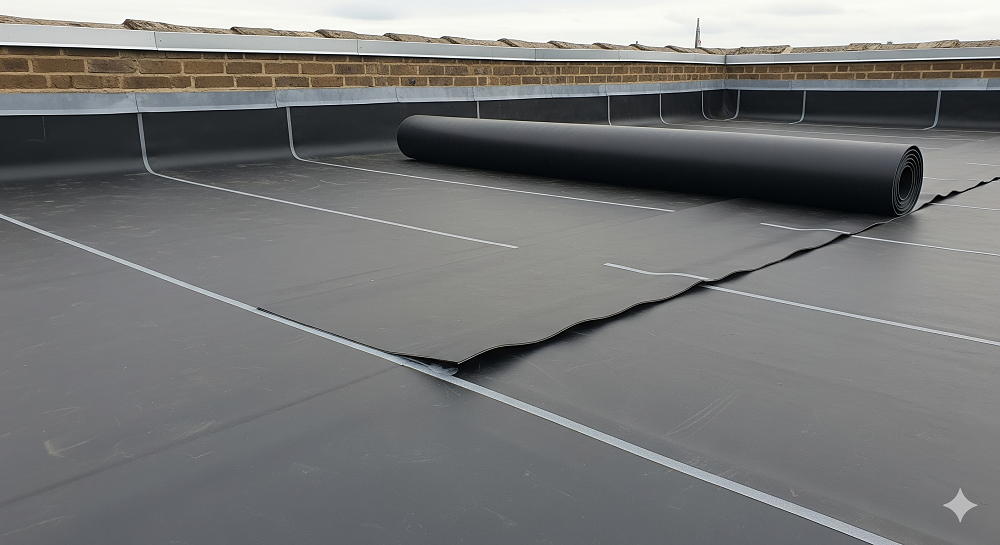
Ethylene Propylene Diene Monomer (EPDM) is a synthetic rubber membrane widely used for waterproofing flat or low-slope roofs. Its flexibility, durability, and resistance to UV rays make it a standout choice. Think of it as a high-performance raincoat for your roof. Unlike traditional materials, EPDM doesn’t crack under extreme heat or shrink in cold weather. It’s designed to expand and contract with temperature changes, ensuring a seamless barrier against water infiltration.

Key Benefits of EPDM Membrane for Roof Waterproofing

Why should you choose EPDM over other waterproofing options? Here are some compelling reasons:

Durability: EPDM can last up to 50 years with proper maintenance, making it a long-term solution.
Cost-effective: Fewer repairs and replacements save you money in the long run.
Eco-friendly: EPDM is recyclable and doesn’t release harmful chemicals, making it a sustainable choice.
Low maintenance: Once installed, it requires minimal upkeep, even in the UAE’s harsh climate.

Why EPDM is Perfect For Harsh Climatic Conditions?

The UAE’s climate is unforgiving; scorching heat, sandstorms, and the occasional heavy rains can wreak havoc on traditional roofing materials. EPDM, however, thrives in these conditions. Its UV resistance prevents degradation from the sun, while its flexibility ensures it won’t crack or tear during temperature fluctuations. Whether it is the blazing summer heat or a sudden downpour, EPDM roofing stands strong.

EPDM vs. Other Waterproofing Materials: A Comparison

When it comes to waterproofing, not all materials are created equal. Let’s compare EPDM to some common alternatives:

Bitumen: While affordable, bitumen is prone to cracking and requires frequent maintenance.
PVC: Though durable, PVC is less flexible and can be more expensive.
TPO: Thermoplastic Olefin is lightweight but lacks the proven track record of EPDM.

EPDM roofing strikes the perfect balance between durability, flexibility, and cost, making it the clear winner.

Longevity And Durability Of EPDM Membrane

One of the standout features of EPDM roofing is its incredible lifespan. When properly installed, it can last for decades without losing its effectiveness. This is especially important in the UAE, where the cost of frequent repairs can add up quickly. With EPDM, you are not just investing in a waterproofing solution; think of it as more of an investment in peace of mind.

How To Install EPDM Membrane For Maximum Effectiveness?

Proper installation is key to getting the most out of your EPDM membrane. Here’s a quick overview of the process:
Surface preparation: The roof surface must be clean, dry, and free of debris.
Adhesive application: A specialized adhesive is used to secure the membrane.
Seaming: Sheets of EPDM are carefully joined to create a seamless barrier.
Inspection: The installation is checked for any gaps or imperfections.
At Organix, we make sure every step is meticulously followed to guarantee maximum effectiveness.

Why EPDM Is The Top Choice For Roof Protection?

When you combine all its benefits—durability, cost-effectiveness, and suitability for harsh climates—it’s clear why EPDM is the top choice for roof protection. It’s not just a product; it’s a solution tailored to the unique challenges of the UAE.

Your roof is one of the most critical parts of your property, and protecting it should be a top priority. With EPDM roofing, you are choosing a solution that’s built to last, designed to perform, and proven to deliver. Choose EPDM from Organix. We have been all about building better, stronger, and long-lasting structures. We specialise in EPDM waterproofing products, helping projects across Dubai stay protected.

FAQS

  1. Is EPDM roofing suitable for all types of roofs?
    Yes, EPDM is versatile and works well on flat or low-slope roofs, making it ideal for most commercial and residential properties.
  2. How long does an EPDM roof last?
    If you take the necessary measures, proper installation and maintenance, your EPDM can last up to around 50 years.
  3. Can EPDM withstand the UAE’s climate?
    Absolutely! EPDM is highly resistant to UV and temperature fluctuations. Making it perfect for the UAE’s climate.
  4. Is EPDM environmentally friendly?
    Yes, EPDM is recyclable and doesn’t release harmful chemicals, making it an eco-friendly choice.

The Advantages of Waterproofing for Metal Roofs

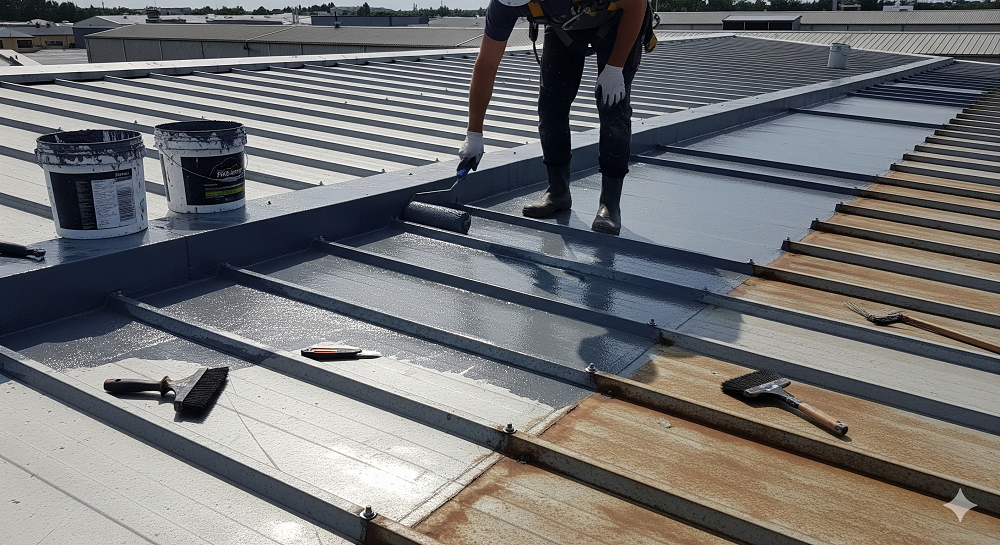
Metal roofs have long been a preferred choice for residential, commercial, and industrial buildings due to their durability, longevity, and modern aesthetic. However, despite their many advantages, they are not entirely impervious to water-related issues. Over time, exposure to the elements can lead to rust, corrosion, leaks, and structural damage. This is where EPDM solutions play a crucial role in extending the lifespan and functionality of a metal roofing system.

In this article, we will explore the benefits of protective treatments for metal roofs and why it is an essential investment for property owners.

1. Prevents Leaks and Water Damage

One of the primary reasons property owners opt for protective coatings is to prevent leaks. Metal panels can develop gaps due to thermal expansion and contraction, causing water seepage over time. By applying an effective sealing solution, you create an additional protective layer that seals these gaps and prevents water from penetrating the roof structure.

Leaks can lead to significant interior damage, including mold growth, weakened insulation, and compromised electrical systems. A proper coating acts as a proactive solution to mitigate these risks before they escalate into costly repairs.

2. Enhances Roof Longevity

While metal roofs are known for their long lifespan, continuous exposure to moisture, UV rays, and fluctuating temperatures can accelerate wear and tear. Protective solutions, such as liquid coatings and sealants, provide an added layer of defense, reducing the impact of environmental stressors.

By protecting the metal surface from oxidation and corrosion, these treatments extend the overall lifespan of the roof. This means property owners can maximize their investment and avoid premature replacements or extensive repairs.

3. Reduces Rust and Corrosion

One of the most common issues with metal roofing is rust formation. When water and oxygen interact with the metal surface, oxidation occurs, leading to corrosion. This weakens the structure and can result in holes or cracks.

Protective coatings form a seamless barrier that prevents moisture from reaching the metal surface, effectively reducing the risk of rust development. Certain solutions offer excellent moisture resistance, making them an ideal choice for preserving metal roofs from corrosion.

4. Improves Energy Efficiency

A properly coated metal roof enhances a building’s energy efficiency. Many protective solutions include reflective coatings that minimize heat absorption, keeping interiors cooler during hot weather. This reduces the strain on air conditioning systems, leading to lower energy consumption and utility costs.

Additionally, these treatments prevent moisture infiltration, which helps maintain insulation effectiveness. A well-insulated building retains heat during colder months, further improving energy efficiency year-round.

5. Minimizes Maintenance Costs

Without proper coatings, metal roofs require frequent inspections and repairs to address leaks, rust, and structural degradation. Routine maintenance costs can add up over time, making it a costly endeavor for property owners.

By investing in a high-quality protective solution, maintenance requirements are significantly reduced. The protective layer prevents common issues, allowing property owners to save on long-term upkeep expenses.

6. Enhances Structural Integrity

Water infiltration can compromise the structural integrity of a building by weakening roofing materials, insulation, and support structures. When left unchecked, this can lead to sagging roofs, rotting wooden components, and even interior ceiling collapses.

Protective solutions preserve the strength and stability of the roof, ensuring it remains structurally sound for years to come. This is particularly important for commercial and industrial properties where operational disruptions due to roof damage can lead to significant financial losses.

7. Environmentally Friendly Solution

Many protective products are designed with eco-friendly formulations that reduce environmental impact. By extending the lifespan of a metal roof, these treatments help minimize waste associated with frequent repairs or premature replacements.

Additionally, some coatings contain reflective properties that reduce heat absorption, contributing to lower carbon footprints by decreasing energy usage. Opting for sustainable solutions supports green building initiatives while providing long-term benefits.

8. Compatible with Various Roofing Systems

Protective treatments are versatile and can be applied to different types of metal roofs, including standing seam, corrugated panels, and flat metal roofing systems. Whether you own a commercial warehouse, industrial facility, or residential property, there are tailored solutions to suit your specific needs.

Certain materials provide excellent adhesion to metal surfaces, ensuring long-lasting protection. Consulting with a professional roofing contractor can help determine the most suitable treatment for your roof type.

9. Cost-Effective Investment

While applying a protective solution requires an upfront investment, the long-term cost savings make it a financially sound decision. By preventing leaks, reducing maintenance expenses, and improving energy efficiency, property owners can enjoy significant savings over time.

Moreover, a properly treated metal roof enhances property value by demonstrating proactive maintenance and structural reliability. This can be a valuable selling point for potential buyers or tenants in the future.

10. Provides Weather Resistance

Metal roofs are constantly exposed to extreme weather conditions, including heavy rainfall, snow, hail, and strong winds. Specialized coatings add an extra layer of protection against these elements, ensuring the roof remains resilient in harsh climates.

Certain solutions can improve impact resistance, preventing damage from hail and falling debris. This added durability minimizes the risk of unexpected roof failures during severe weather events.

Conclusion

Applying a waterproofing treatment is an essential component of maintaining a durable, long-lasting, and energy-efficient metal roof. By preventing leaks, reducing rust formation, and enhancing overall structural integrity, these solutions offer a proactive approach to roof maintenance.

If you’re considering Metal Roof Waterproofing, it’s advisable to consult a professional roofing expert to determine the best solution for your property. Investing in a reliable protective system will safeguard your roof and extend its lifespan, ensuring a secure and weather-resistant building for years to come.

What Are the Waterproofing Materials

Comprehensive Guide to Waterproofing

Waterproofing is one of the most crucial aspects of construction, yet many property owners and even some builders are unsure which materials are best suited for different areas. Using the right waterproofing material not only protects your property from water damage but also significantly increases the durability of surfaces, from foundations to roofs.

At Organix Building System, we provide waterproofing solutions that ensure long-lasting, leak-free structures. This guide will help you understand the types of waterproofing materials available, their applications, and how they contribute to the overall durability of a building.

What is Waterproofing?

Waterproofing is the process of making a surface resistant to water penetration. In buildings, it prevents water from entering critical areas such as foundations, walls, roofs, terraces, and basements.

The process not only strengthens the structure but also prevents issues such as:

  • Mold growth
  • Dampness
  • Structural deterioration

Specialized services such as roof waterproofing Dubai, basement waterproofing, and wall waterproofing are particularly important due to the region’s high temperatures, occasional rainfall, and humidity levels. Proper waterproofing ensures buildings remain durable, safe, and comfortable.

Why are Waterproofing Materials Essential?

Without proper waterproofing, buildings face serious risks:

  • Cracks and surface damage
  • Reduced structural durability
  • Mold and dampness are affecting interiors
  • Decreased comfort and usability

By applying the right waterproofing products, you can prevent water ingress, control internal humidity, protect interiors, and enhance the lifespan of your building. Proper materials applied in the correct areas are essential for safe, durable, and sustainable construction.

Types of Waterproofing Materials

Different materials serve different purposes, and using the wrong product can lead to costly repairs. Here’s a detailed look at the most common waterproofing materials used in construction:

  1. Cement-Based Waterproofing

Cementitious waterproofing is one of the most widely used methods due to its simplicity and effectiveness. It involves mixing cement-based products to form a protective, water-resistant layer.

Applications:

  • Interior wet areas like bathrooms, toilets, and kitchens
  • Basements and water tanks
  • Terraces and swimming pools

Cement-based materials provide semi-flexible or fully resilient protection depending on the formulation. They are especially suitable for areas not directly exposed to sunlight. Cementitious coatings remain a popular choice for basement waterproofing due to their reliability and ease of application.

  1. Liquid Waterproofing Membranes

Liquid membranes form a seamless, flexible coating applied using a brush, roller, or spray. These coatings are usually made from polymers such as acrylic, polyurethane, or bitumen blends.

Applications:

  • Roofs and terraces (roof waterproofing)
  • External walls and parapets
  • Surfaces with structural movement

Liquid waterproofing membranes offer high elasticity and are excellent for areas that require long-term flexibility and water resistance. They have become increasingly popular due to their durability and ease of application.

  1. Bituminous Coatings

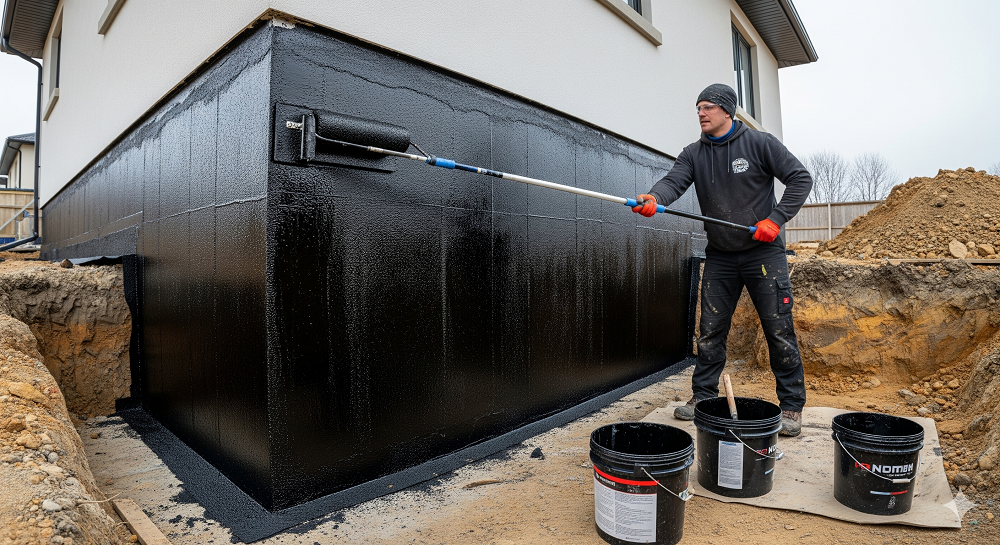
Bitumen-based coatings are flexible protective layers that can be applied to both horizontal and vertical surfaces. They are effective for:

Applications:

  • Foundations and basements (basement waterproofing)
  • Internal wet areas like kitchens, bathrooms, and toilets
  • Surfaces under screeds

Bituminous coatings offer strong water resistance and flexibility, making them suitable for areas with frequent exposure to water. They provide a reliable barrier against moisture while maintaining structural integrity.

  1. Membrane Waterproofing

Membrane waterproofing involves applying rolled sheets, often with a heat source, to create a strong waterproof layer. These membranes come in different thicknesses and formulations depending on the area of application.

Applications:

  • Roofs and terraces (roof waterproofing)
  • Balconies, retaining walls, and water tanks
  • Garden terraces and landscaped roofs

Membranes can also resist plant root penetration, making them ideal for green roofs and terraces. They are durable, cost-effective, and provide excellent long-term waterproofing performance.

  1. Polyurethane Liquid Membranes

Polyurethane membranes are highly elastic and form a seamless barrier, making them ideal for:

Applications:

  • Flat roofs and terraces
  • Balconies and exposed surfaces
  • Areas requiring high flexibility against structural movement

Before application, the moisture content of the concrete surface must be checked, as polyurethane membranes are sensitive to dampness. Proper surface preparation ensures optimal adhesion and maximum durability.

How do Waterproofing Materials Improve Building Durability?

Buildings are constantly exposed to environmental factors like rain, humidity, groundwater, and extreme temperatures. Without waterproofing, these factors can cause:

  • Structural deterioration
  • Surface damage
  • Mold and dampness
  • Reduced comfort and usability

Applying the correct waterproofing materials prevents water ingress, reduces internal humidity, and protects interiors and valuable assets. Comprehensive waterproofing products are essential for long-term building performance and sustainability.

Organix Waterproofing

At Organix Building System, we provide a wide range of waterproofing materials in Dubai, including:

  • Cementitious coatings
  • Liquid membranes
  • Bitumen-based coatings
  • Polyurethane membranes

Our solutions are designed to protect walls, roofs, terraces, basements, and other critical areas from water damage. For reliable, long-lasting, and leak-free structures, consult our experts to select the best materials for your building project.

Explore our complete range of waterproofing products in UAE and ensure your construction is protected against moisture, leaks, and environmental challenges.