Enquire Now Call Us Email Us

Wet Area Waterproofing Methods And Best Practices

We have seen it happen too many times. You walk into your beautiful bathroom, but behind the shiny tiles, a silent disaster is brewing. Water is sneaking through the grout, rotting the walls from the inside out. But here is the good news. You are about to stop that problem for good. By the time you finish reading this, you will know exactly how to build a fortress around your wet areas.

What Is Wet Area Waterproofing?

Wet area waterproofing refers to the process of creating a protective barrier in moisture-prone spaces like bathrooms, kitchens, balconies, and laundry areas. These are the zones where water exposure is frequent and unavoidable. Without proper protection, water seeps into the structure, weakening concrete, corroding steel, and damaging finishes.

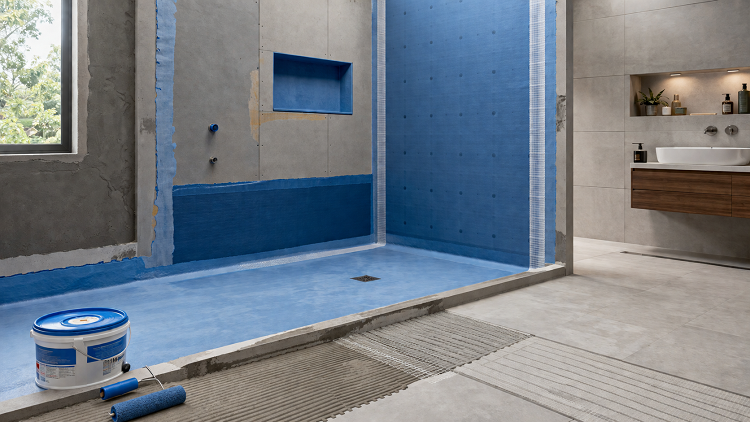
While your tiles look tough, they are actually a bit like a sponge. Water can pass right through the grout lines. Wet area waterproofing is the layer of liquid rubber or membrane that is applied to the concrete before a single tile goes down. It seals every single pore.

Why Your Home Cannot Survive Without It?

Waterproofing might feel like an extra step, but you cannot afford to skip it. When water escapes, it travels. It rusts steel, warps wardrobes, and drips onto your neighbour’s sofa. Damage builds slowly and silently, leading to structural issues, mold, and expensive repairs. Investing in proper methods protects your property value and indoor health. It is one of the smartest investments you can make early on.

The Best Wet Area Waterproofing Methods We Swear By

Polyurethane liquid membrane: Polyurethane is not just another chemical. It is a high-performance elastomer. That means it stays flexible like rubber but tough like armour. When we use a polyurethane-based membrane, such as our DryTex PU Range, we provide the same protection used on bridges, parking decks, etc.

Liquid-applied membrane: This is our specialty. We use products like our DryTex WAPRO 208. Imagine a thick, elastic liquid that we roll or brush onto your floors and walls. As it dries, it turns into a single, seamless sheet of rubber.
Why do we love it? Because it follows every curve of your floor. It fills in the hairline cracks and moves with the building. If the ground settles slightly (which it always does), this membrane stretches, but it never tears.

Cementitious waterproofing: You will see this a lot on construction sites. It comes as a powder that you mix with water. It is hard and strong, like adding a layer of super-dense plaster. You can use this mostly as a preparation layer. It is great for levelling the surface, but it is rigid. If the house moves, this can crack. For a permanent solution, we always top it with a liquid polymer.

Wet Area Waterproofing: This is the smart stuff. We use DryTex CW400 for specific situations. Instead of just coating the surface, these chemicals react with the concrete. They grow tiny crystals inside the pores of the concrete to block the water. It is self-healing. If a small crack forms later due to a heavy load, water reaches the exposed chemical, and the crystals regrow to seal the gap.

Best Practices For Flawless Waterproofing

Preparation is everything – Clean the floor until it sparkles. Grind high spots, fill holes. Weak substrate means a failed bond.
The corner detail – The 90-degree angle where the floor meets the wall is the enemy. We install reinforcement mesh or pre-formed corner bands to give extra strength where stress is highest.
Don’t be cheap with coats – One coat is never enough. Apply at least two, drying fully between. First coat horizontal, second vertical to cover every pinhole.
Materials that make the difference – At Organix, we formulate for real life. DryTex WAPRO 208 is elastic, tough, and ultra-low VOC. DryTex PU Range offers extreme durability. DryTex P2000 has been used to waterproof and protect the podium structure, the internal wet area of UAE pavilion at Expo 2020.

Common Mistakes To Avoid

We have seen too many DIY disasters. Let us save you from these headaches.
Mistake 1: Forgetting the Pipes – Where pipes exit the wall is a massive hole. Use specialized collars or wrap with waterproofing tape.
Mistake 2: Skipping the Primer – Without primer, the membrane peels off. Primer opens concrete pores so the glue sticks.
Mistake 3: Rushing the Flood Test – Never tile immediately. Fill the area with water and wait 48 hours. If the water level drops, you leak.

Conclusion

You don’t have to live in fear of the next leak. By using the right bathroom waterproofing methods, you are choosing strength, safety, and silence. At Organix Building System, we combine technical expertise with high-quality materials to deliver reliable waterproofing solutions tailored to your needs. If you are planning a new project or facing waterproofing issues, this is the right time to act.
Benefits Of Car Park Epoxy Flooring For Parking Areas

Here is a simple truth that most property owners never realise. A failing parking floor does not fail all at once. It fails slowly. A little dust here. A small crack there. A stain that spreads a bit wider every month. And before you know it, you are looking at a full replacement that costs a fortune. But what if you could stop that entire process today? What if you could take that tired, stained, dusty concrete and turn it into a surface that actually works for you instead of against you?
That is exactly what we are going to show you. By the end of this post, you will understand how car park epoxy flooring transforms weak concrete into a tough, seamless, and beautiful surface.

What Is Car Park Epoxy Flooring?

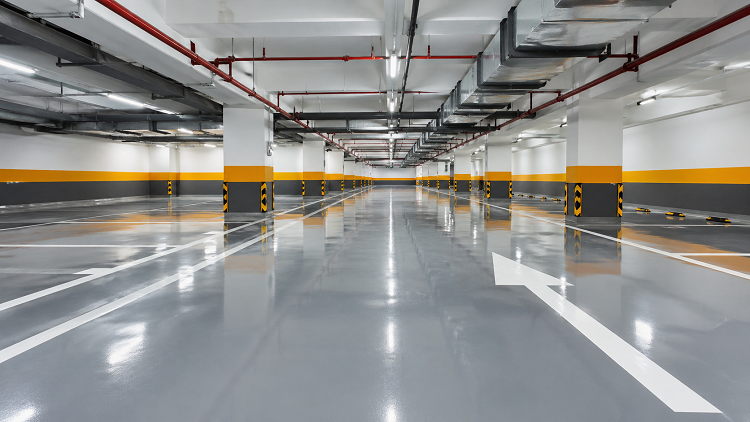
Car park epoxy flooring is not paint. It’s a high-performance, two-part system that becomes one with your floor. A resin and hardener mix right at your site. The chemical reaction creates a super-strong, plastic-like layer that bonds deep into concrete pores.
Think of concrete as a dry sponge with thousands of tiny holes. Oil, water, and chemicals sink right in. Our epoxy fills every hole, seals the surface completely, and hardens into seamless, glossy armour. No peeling. No bubbling. Just one solid floor that handles anything you drive on it.

Why Epoxy Flooring Is Used In Parking Areas?

Concrete is porous and brittle. Every time a car turns its steering wheel while stopped, it grinds particles off the surface. Every time a hot engine drips oil, the liquid seeps in and weakens the concrete. Every time a heavy truck brakes, the surface powders and dusts.
That dust is your floor disintegrating. Our system solves all three problems at once. The sealed surface stops dust forever. Chemical resistance means oil and acid sit on top until you wipe them away. Slight flexibility absorbs shock from heavy tyres instead of cracking. We add an anti-slip texture for real grip, even when wet. Your parking becomes safer and cleaner instantly.

Key Benefits Of Car Park Epoxy Flooring

Incredible durability. Our car park epoxy flooring resists impacts that would shatter regular concrete. Drop a heavy tool or a car jack. The epoxy will not chip or crack.
Total chemical protection. Battery acid, brake fluid, gasoline, and diesel. None of these will stain or eat through our floor. You can clean the spill with a cloth and mild soap.
Enhanced safety. We can mix different textures into the top coat. This creates a slip-resistant surface that meets safety standards for ramps, slopes, and turning areas.
Lower cleaning costs. Because there are no pores or cracks, dirt has nowhere to hide. A simple dust mop or automatic scrubber keeps everything spotless.
Long-term savings. A proper parking area epoxy flooring from Organix Building System lasts easily ten to fifteen years. Concrete alone would need expensive repairs, sealing, and dust proofing every single year. Add those numbers up. The choice is clear.

Types Of Epoxy Flooring For Car Parks

Solvent-based system: Perfect for indoor residential and office parking. Self-levels to a hard, glossy finish.
100% solids system: Thicker and tougher. Ideal for truck parking, bus depots, or industrial bays.
Quartz-filled system: Decorative coloured quartz for a textured, slip-resistant, high-end terrazzo look. Great for luxury hotels or showrooms.
UV-stable and static dissipative versions: For outdoor ramps (no yellowing) or EV charging stations (prevents electrostatic discharge).

Applications Of Epoxy Flooring In Parking Areas

• Residential buildings
• Commercial mall parkings
• Hospital and clinic parking zones
• Industrial warehouse parking
• Airport parking structures
• Electric vehicle charging stations

Epoxy Car Parking Vs. Traditional Concrete

Let us put these two side by side with real facts. Concrete is porous. Our car park epoxy flooring is non-porous. Concrete creates dust every single day. Our epoxy produces zero dust. Concrete cracks from temperature changes and heavy loads. Our epoxy flexes slightly to absorb that movement. Concrete absorbs oil and stains permanently. Our epoxy resists all stains completely. Concrete needs expensive sealing and coating every six months. Our epoxy needs nothing more than a mop.

Concrete has a slippery surface when wet, with a coefficient of friction as low as 0.5. The benefits of epoxy flooring with anti-slip aggregate reach 0.9 or higher. That is a massive safety difference. From a cost perspective, bare concrete seems cheaper at first. But add in the constant repairs, the dust extraction systems, the safety liability from slips, and the cleaning chemical costs. Concrete becomes very expensive very fast. One of our clients at Organix Building System calculated that switching to our epoxy saved them over 15,000 dirhams per year in maintenance alone. That is real money staying in your business.

CONCLUSION

Your parking area is not just a place to leave a car. It is the first experience your residents, customers, or employees have with your building every single day. It takes constant abuse from tyres, oil, heat, and heavy loads. Do not let cracks, dust, stains, and safety risks lower your property value.

Concrete Roof Waterproofing Methods And Benefits

Many of us only think about waterproofing when a leak appears. By then, damage has already begun. Concrete is naturally porous and absorbs water over time, leading to cracks, leaks, and costly repairs. This is where concrete roof waterproofing becomes essential. With the right materials and professional application, your roof becomes a true barrier that protects your entire building.
By the end of this article, you will understand how the right concrete roof waterproofing solutions can protect your property and why choosing professionals like Organix Building System makes all the difference.

What Is Concrete Roof Waterproofing?

Concrete roof waterproofing is the process of applying protective systems that stop water from penetrating the roof slab. While concrete is strong and durable, it contains microscopic pores that allow water to seep through. A proper waterproof coating for a concrete roof creates a sealed barrier on the surface, blocking water infiltration and protecting your building’s structural integrity. Modern concrete roof waterproofing solutions are designed to stop leaks while improving durability and flexibility.
So, is waterproofing really necessary? The answer is yes. Investing in waterproofing for concrete roof structures is one of the smartest decisions you can make. Without it, your roof is vulnerable. Water finds the smallest path, and once it enters, it causes real damage. It corrodes the steel reinforcement inside the slab, weakening your structure. It also leads to dampness, peeling paint, and unhealthy mold growth.

Common Problems Caused By Concrete Roof Leakage

We have seen first-hand the toll that water leakage takes on properties. When water breaches a roof, the issues rarely stay isolated to the ceiling. Here are some of the common problems:
• Structural deterioration
• Unhealthy indoor environments
• Aesthetic damage
• Costly repairs
Professional concrete roof leak repair, combined with proper concrete roof waterproofing, is necessary to stop these issues permanently.

Popular Concrete Roof Waterproofing Methods

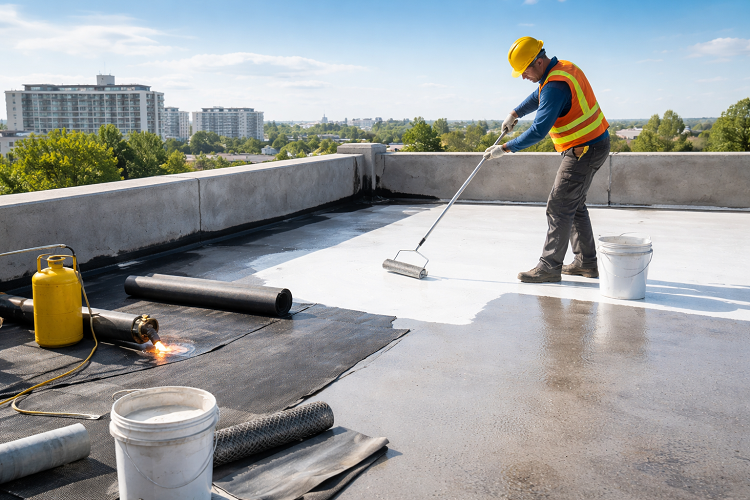
Liquid-applied waterproofing membranes: This modern method uses a liquid coating like our DRYTEX.LR3000, applied by roller, brush, or spray. It cures into a seamless, flexible, rubber membrane that flows into every crack and corner. With no joints or seams, it is a fantastic choice for roofs with complex shapes or multiple penetrations like pipes and AC units.

Cementitious waterproofing: This approach uses a polymer-modified cement-based coating. It is valued for its strong adhesion and durability. Easy to mix and apply, it creates a rigid, tough barrier. While it offers excellent protection, it is less flexible than liquid rubber membranes, making it best suited for surfaces where structural movement is minimal.

Crystalline waterproofing technology: Unlike surface coatings, this technology works from within the concrete. Products like our DRYTEX.CW400 uses chemicals that react with moisture to grow millions of insoluble crystals deep inside the concrete’s pores and capillaries. These crystals permanently block water pathways. A standout benefit is its self-healing nature. If a hairline crack forms later, exposure to water triggers new crystal growth to automatically seal the gap. It becomes part of the concrete itself.

Best Waterproofing Materials For Concrete Roofs

Selecting the right waterproofing material is essential. The best waterproofing for concrete roofs depends on your specific situation. For a seamless, flexible, fast-curing solution, liquid rubber membranes are exceptional. Our DRYTEX.LR3000 offers excellent adhesion and chemical resistance, making it a versatile choice. For a permanent, integrated solution, crystalline waterproofing is the ultimate choice. It turns the concrete itself into a waterproof barrier, ideal for long-term, maintenance-free protection.

Benefits Of Concrete Roof Waterproofing

When you choose to invest in professional concrete roof waterproofing solutions, the benefits extend far beyond just stopping a drip. You are investing in the overall quality and longevity of your property.

  • Enhanced structural protection
  • Energy efficiency
  • Durability
  • Healthier living spaces
  • Increased property worth
    With the right waterproofing for a concrete roof, your building remains protected for many years.

Factors To Consider Before Choosing A Waterproofing Method

Selecting the right waterproofing system requires careful evaluation of several technical factors.
• Roof slope, roof usage, and drainage system
• Condition of existing concrete surface
• Presence of cracks or structural movement
• Compatibility of materials with the roof slab
• Expected lifespan of the waterproofing system
A professional inspection helps determine the most suitable concrete roof waterproofing methods for each building.

Conclusion

Concrete roof waterproofing is a vital preventive measure for your building. Choosing the right concrete roof waterproofing methods and quality materials helps extend your roof’s life. Professional waterproofing for concrete roof applications seals out water and protects structural integrity. At Organix Building System, our concrete roof waterproofing solutions deliver reliable, long-lasting protection.

FAQ

What is the best waterproofing method for concrete roofs?

The “best” method truly depends on your specific needs. For a seamless, flexible, and fast application, liquid rubber membranes like our DRYTEX.LR3000 is an outstanding choice. For permanent protection that becomes part of the concrete itself, crystalline waterproofing is the superior option.

How do you waterproof a concrete roof?

Waterproofing a concrete roof typically involves surface preparation, crack repair, application of primer, and installation of a waterproof coating or membrane. Professional waterproofing for concrete roof systems ensures proper sealing and long-term protection.

How long does concrete roof waterproofing last?

The lifespan of your waterproofing system depends on the materials used and the quality of installation. A high-quality liquid-applied membrane or a crystalline waterproofing system, applied by experienced professionals, can last between 10 and 20 years with proper maintenance and periodic inspection.

Which waterproofing material is best for concrete roofs?

Polyurethane coatings, elastomeric coatings, and bituminous membranes are among the most effective materials used as waterproof coatings for concrete roof systems. The right material is selected based on the roof structure and performance requirements.

Importance Of Roof Waterproofing

Your roof is the first barrier that protects your building from external moisture. Without proper protection, water can slowly enter the structure and create long-term issues. This is why understanding the importance of roof waterproofing is essential for anyone responsible for maintaining a residential, commercial, or industrial property.
In this blog, we will walk through everything you need to know about roof waterproofing. You will learn what roof waterproofing is, why roof waterproofing is important, the problems caused by leaks, different waterproofing methods, and practical tips to maintain your roof. By the end, you will clearly understand how professional roof waterproofing solutions from Organix Building System can help protect your building for years to come.

What Is Roof Waterproofing?

Roof waterproofing is the process of applying specialized materials and systems to prevent water from penetrating the roof structure. It creates a protective barrier that stops moisture from entering concrete slabs, insulation layers, and internal building components. Unlike basic sealing, building roof waterproofing involves technical systems designed to resist water pressure, temperature changes, and structural movement. These systems may include liquid-applied membranes, sheet membranes, cement-based coatings, or polyurethane systems, depending on the roof structure.

A properly designed waterproofing layer does more than block water. It also protects reinforcement steel from corrosion, maintains structural integrity, and extends the lifespan of the roof.

Why Roof Waterproofing Is Important For Buildings?

The importance of roof waterproofing cannot be overstated when it comes to building longevity. Your roof is your building’s primary shield. Without a proper waterproofing layer, that shield has gaps. Water finds the smallest crack and exploits it. When we ignore the importance of roof waterproofing, we invite moisture to attack the structural bones of our home.

Waterproofing is not an add-on. It is a fundamental layer of construction. It is the invisible armour that preserves concrete, protects steel reinforcement from rust, and keeps interiors safe from mold. When you understand the importance of roof waterproofing, you stop seeing it as an expense and start seeing it as the ultimate insurance policy for your property’s structural integrity.

Common Problems Caused By Roof Water Leakage

We have seen first-hand the chaos a neglected roof can cause. Roof leakage prevention is vital because problems usually start subtly.
• A musty smell you cannot explain.
• Paint bubbling or yellow rings spreading across the ceiling.
• Electrical hazards where water meets ceiling wiring.
• Destroyed insulation that spikes your energy bills.
• Mold and mildew growth affecting air quality and health.
These small signs, left unchecked, turn a simple waterproofing job into a full-scale renovation. Focusing on roof leakage prevention today saves you from the chaos of demolition tomorrow.

Waterproofing Solutions For Different Roof Types

Not all roofs are built the same.
• Flat concrete roofs often use liquid membrane systems or polyurethane coatings. These create seamless protection across the entire surface.
• For tiled or finished terrace roofs, waterproofing systems may be installed beneath protective screed layers to ensure durability.
• Metal roofs may require specialized sealants and flexible coatings to prevent water infiltration through joints and fasteners.
By selecting appropriate roof waterproofing methods, professionals ensure long-lasting building roof waterproofing performance for different structures.

Tips To Maintain Roof Waterproofing For Long Lasting Protection

Once waterproofing is installed, regular maintenance helps extend its lifespan.
First, conduct periodic roof inspections. Checking the roof surface for cracks or damage allows early detection of potential problems. Second, ensure proper drainage. Blocked drains or water stagnation can damage waterproofing layers over time. Third, avoid installing heavy equipment or structures on the roof without professional consultation. These simple steps help maintain the full roof waterproofing benefits for many years.

Conclusion

A dry roof means a stable structure, a healthy environment, and a haven for your family. Your roof plays a critical role in protecting your entire building. Professional expertise is essential when selecting and installing roof waterproofing solutions. With the right approach, you can achieve effective roof leakage prevention and long-term durability. At Organix Building System, we provide reliable building roof waterproofing solutions tailored to different roof structures.

FAQ

Why is roof waterproofing important?

Roof waterproofing is important because it prevents water from penetrating the roof structure. It protects concrete, reinforcement steel, insulation layers, and interior spaces from moisture damage while extending the building’s lifespan.

What are the benefits of roof waterproofing?

The major benefits of roof waterproofing include structural protection, leak prevention, improved building durability, reduced maintenance costs, and better interior conditions.

Which waterproofing method is best for roofs?

The best roof waterproofing methods depend on the roof type and building design. Common options include liquid-applied membranes, polyurethane coatings, sheet membranes, and cement-based waterproofing systems.

How long does roof waterproofing last?

When high-quality materials are used and proper installation is performed, roof waterproofing can last between 10 and 25 years. The lifespan depends heavily on the type of system used, exposure to foot traffic, and adherence to regular maintenance schedules. Routine inspections and cleaning are key to maximizing that lifespan.

What Is Thermal Insulation Coating And How Does It Work?

We all live here, we all feel that intense sun baking into our walls, turning our buildings into ovens that our cooling systems fight 24/7. But what if your building’s walls could actively repel that heat instead of absorbing it? What if the solution wasn’t a bulky layer of traditional insulation, but a smart, protective skin? That’s exactly what we’re going to explore. By the end of this post, you’ll not only understand this revolutionary technology, but you’ll see your building in a whole new light. We promise you’ll have the knowledge to make a smarter, more sustainable choice for your property.

Thermal Insulation Coating

A thermal insulation coating is not just regular paint. Think of it as a high-tech, liquid shield that you apply to surfaces like roofs, walls, or industrial tanks. Once it cures, it forms a durable, elastomeric membrane with exceptional insulating properties. Unlike traditional insulation like foam boards or fiberglass that primarily resist heat transfer, a high-quality thermal coating works by reflecting a massive portion of the sun’s radiant heat away and by providing a barrier that slows down conductive heat gain. For us in the UAE, this means the intense solar radiation that typically soaks into concrete and metal is sent back into the atmosphere, drastically reducing the surface temperature.

The Key Components Of Superior Thermal Coatings

At its core, a top-tier heat-resistant coating is a carefully engineered system. The heroes are tiny, hollow ceramic microspheres suspended within a high-performance resin base, like acrylic or silicone. These microspheres are crucial. They create a matrix of millions of tiny air pockets, and as you know, air is a fantastic insulator. This structure is what gives the coating its lightweight yet powerful insulating character. Combined with special reflective pigments that bounce away infrared rays, these components work in synergy.

How Thermal Insulation Coatings Actually Work?

The process of how thermal insulation works with these coatings is a brilliant dance of three scientific principles: reflection, resistance, and emission. First, the reflective pigments act like a mirror for the sun’s infrared energy, deflecting it away. This is the first and most impactful line of defence, significantly lowering surface temperature. Second, the ceramic microsphere matrix provides a tough, resistant barrier to heat moving by conduction. Even as some heat energy is absorbed, it struggles to travel through this labyrinth of insulated pockets to the substrate beneath. Finally, the coating is designed to efficiently re-radiate or emit any absorbed heat back out into the air at night, allowing the structure to cool down. This triple-action mechanism makes a thermal protective coating an active system, not just a passive layer.

The Benefits of Your UAE Property

• Direct savings on your electricity bills
• Cooler indoor temperatures
• Reduced load on AC systems
• Protection against condensation
• Improved structural integrity
• UV protection and surface durability
• Industrial process efficiency
• Reduced corrosion under insulation
• Lower carbon footprint
• Long-term cost efficiency

Where To Apply This Technology: Buildings And Beyond

The applications are vast. For commercial and residential buildings, the prime targets are flat concrete roofs, walls (especially west-facing ones), and metal structures like warehouses and hangars. In our industrial sector, these coatings are game-changers for storage tanks, pipelines, and process vessels, maintaining consistent temperatures of their contents. They are perfect for protecting sensitive equipment rooms or any facility where heat gain is a costly problem. Essentially, if a surface is facing the sun and contributing to your heat load, it’s a candidate for a thermal insulation coating.

Tips For Effective Application And Lasting Performance

To get the full benefit, proper application is key.
First, surface preparation is non-negotiable. The substrate must be clean, sound, and free of dust, oil, or old flaking paint. A primer is often recommended for optimal adhesion. Application is typically done by airless spray to achieve the correct mil thickness; applying it too thin is the most common mistake that compromises performance. Follow the manufacturer’s guidelines for ambient temperature and humidity during application. For maintenance, the good news is that these coatings are incredibly tough. A simple annual wash with water to remove dust and sand buildup will ensure its reflective properties remain at their peak, guaranteeing your investment pays off for a decade or more.

Ready to transform your building from a heat absorber into a heat reflector?

What Is Epoxy Flooring? Types, Benefits & Best Choices

Whether it’s the relentless pace of your busy warehouse, the demanding spill-prone environment of your garage, or the high-traffic hustle of your commercial showroom, your floors take a beating. You need something tougher, smarter, and more resilient. But what is the ultimate solution that professionals trust? The answer, more often than not, is Epoxy Flooring.

Epoxy Flooring

At its core, epoxy flooring isn’t a single product you roll out like a carpet. It’s a protective coating system created through a chemical reaction. Think of it as a liquid armour. We combine two main components: epoxy resin and a polyamine hardener. When these two parts are mixed, they undergo a process called “curing.” This isn’t just drying; it’s a transformation into a rigid, plastic-like solid that bonds on a molecular level with your concrete base. The result? A seamless, non-porous surface that becomes one with your floor, offering unparalleled strength and durability. It’s this technical foundation that makes epoxy flooring a superior choice over traditional options.

The Key Components That Build Superior Strength

What makes this system so robust? It’s all in the chemistry. The epoxy resin provides the body and chemical resistance, while the hardener dictates the cure time and final properties like flexibility and hardness. At Organix Building System, we don’t use generic mixes. We formulate our systems with high-quality resins and modifiers suitable for various stresses, from thermal expansion common in the UAE to heavy impact loads. We also incorporate aggregates like quartz sand for added slip resistance and texture, or vinyl flakes for a decorative, chip-resistant finish. The quality of these components directly determines the performance and lifespan of your floor.

Exploring The Various Types Of Epoxy Flooring

Not all epoxy floors look or perform the same. The different types of epoxy flooring are designed to meet specific challenges. The main categories we specialize in include:

• Self-Levelling epoxy: Creates a perfectly smooth, glossy, and seamless surface. Ideal for showrooms, laboratories, and clean rooms where hygiene and a pristine appearance are key.
• Epoxy mortar systems: These are the heavy-duty champions. Filled with graded quartz sands, they form a thick, incredibly durable layer perfect for repairing cracked concrete and enduring severe impact in warehouses and industrial plants.
• Epoxy flake systems: A popular choice for garages and commercial spaces where aesthetics and slip resistance matter. Coloured vinyl flakes are broadcast onto the wet epoxy, creating a beautiful, mottled finish that hides imperfections and provides excellent traction.
• Anti-static epoxy: Critical for electronics manufacturing or server rooms, this type safely dissipates static electricity, protecting sensitive equipment.

The Major Benefits Of Epoxy Flooring You Can’t Ignore

Why has epoxy become the go-to for so many businesses and homeowners? The benefits of epoxy flooring are both practical and financial.
Firstly, its durability is legendary. It resists chemicals, stains, impacts, and heavy abrasion, outlasting paint or bare concrete by decades.
Secondly, its seamless nature means no grout lines or cracks for dirt, moisture, or bacteria to hide in, making it exceptionally easy to clean and hygienic. Thirdly, it enhances safety with added slip-resistant options.

Finally, its reflective surface improves light distribution, which can lower your energy bills. When you consider the minimal maintenance and long lifespan, the value proposition of epoxy flooring becomes crystal clear.

Finding Your Fit: Factors To Consider When Choosing Epoxy Flooring

Selecting the best epoxy flooring options starts with asking the right questions. What is the primary use of the space? Is it a food processing plant needing chemical resistance, or a car showroom requiring high gloss? What is the condition of your existing concrete substrate? It must be properly prepared for the epoxy to bond. Consider the expected traffic: foot traffic, pallet jacks, or forklifts? Also, think about downtime. Our fast-cure systems can get you back in operation quickly, minimizing disruption to your business.

Best Epoxy Flooring Options For Industrial And Commercial Spaces

For demanding environments, a one-size-fits-all approach fails.
For heavy industrial spaces, our epoxy mortar or high-build systems are the undisputed best epoxy flooring options. They withstand constant mechanical abuse.
For commercial kitchens, automotive workshops, and garages, an epoxy flake or quartz-filled system provides the perfect blend of durability, chemical resistance, and safety underfoot.

For retail spaces or corporate lobbies wanting a sleek, modern look, a self-levelling epoxy with a clear urethane topcoat delivers stunning aesthetics with high performance.

Simple Maintenance Tips For Long-Lasting Performance

Your new epoxy floor is an investment, and protecting it is simple. Regular sweeping or dust mopping removes abrasive grit. For cleaning, a neutral pH cleaner and a soft mop are all you typically need. Avoid harsh acids or alkaline cleaners that can degrade the surface over time. For heavy spills, especially chemicals, prompt cleanup is advised. Placing protective pads under heavy equipment legs can prevent point impact. With this basic care, your floor will maintain its beauty and integrity for years.

The Organix Building System Promise

At Organix Building System, we see a floor as the foundation of your productivity and safety. We don’t just sell and install epoxy; we engineer flooring solutions. From our initial assessment of your substrate to our meticulous preparation and expert application using premium materials, we ensure your floor performs to its highest potential. We understand the operational demands of UAE businesses, and we build floors that meet them head-on.

What Is Polyurethane Waterproofing and How It Works

What Is Polyurethane Waterproofing?

Polyurethane Waterproofing is a liquid-applied waterproofing system that cures to form a seamless, flexible, and durable membrane. Once applied, it chemically reacts to form a continuous, seamless, rubber-like blanket over your surface. Unlike traditional methods that come in sheets or rolls, this liquid nature is its superpower; it can conform to any shape, detail, or complex area without seams, which are common failure points.

How Polyurethane Waterproofing Works?

The magic is in the chemistry. Polyurethane Waterproofing works through a chemical curing process. After application, the liquid reacts with moisture or a curing agent and transforms into a solid elastomeric membrane. This membrane adheres tightly to concrete, metal screed, and other prepared surfaces.
At Organix Building System, we focus on systems that penetrate surface pores and create strong mechanical and chemical bonds. Once cured, the membrane acts as a waterproof shield while still allowing limited vapor permeability when required. This balance is critical in preventing trapped moisture-related failures.

Key Properties Of Polyurethane Waterproofing Systems

• Seamless: No joints, no laps, no weak links.
• Exceptional Flexibility & Elongation: It can stretch (often over 400%) and return to its original shape without tearing, accommodating structural movement.
• Superior Adhesion: It bonds chemically and mechanically to concrete, metal, wood, and other substrates.
• High Tensile Strength: It’s resistant to punctures and abrasions.
• Weather & UV Resistant: Quality systems are formulated to withstand intense sunlight without degrading.

Types Of Polyurethane Waterproofing

  1. Water-based polyurethane: Often used for less demanding, interior applications. It’s low-odour and cures by water evaporation and coalescence.
  2. Solvent-based polyurethane: This is the heavyweight champion for exterior, high-performance applications. The two-component chemical cure we described earlier gives it superior durability, chemical resistance, and mechanical properties. For terraces, podiums, and foundations, this is typically the recommended choice.

Advantages Of Polyurethane Waterproofing

The benefits directly address our common pain points:
• Seamless perfection: Eliminates leak-prone joints.
• Movement-friendly: Moves with your building, preventing cracks.
• Rapid curing: Many systems are walkable in hours, speeding up projects.
• Durability: Offers a long, maintenance-free service life.
• Versatility: Perfect for complex geometries like planters, curved walls, and intricate drainage areas.

Common Areas Of Application

In our projects, we consistently specify and apply polyurethane waterproofing for:
• Terrace gardens & podium slabs
• Balconies & external wet areas
• Basement walls & slabs
• Water tanks & reservoirs
• Bridge decks and parking garages

Polyurethane Waterproofing Vs Other Waterproofing Systems

Bituminous membranes (like torch-on felt) can become brittle and are hot-work intensive. Cementitious coatings are rigid and can crack. PVC/TPO sheets have seams that can fail. Polyurethane waterproofing stands out by combining the best of all worlds: the seamlessness of a liquid, the flexibility of an elastomer, and the durability of a high-performance polymer, all with cold application.

Performance In Extreme Weather Conditions

While every waterproofing system must handle exposure, polyurethane waterproofing performs well under thermal cycling and prolonged exposure when correctly specified and protected. Its elastic nature allows it to maintain integrity despite expansion and contraction.
A high-quality polyurethane membrane’s flexibility at low temperatures and stability at high temperatures (often exceeding 80°C) make it uniquely suited to perform year-round without becoming brittle in winter or melting in summer heat.

Maintenance And Service Life

One of its greatest advantages is low maintenance. When correctly specified and applied by experts, a polyurethane waterproofing system can easily provide a service life of 20+ years. Routine maintenance simply involves visual inspections, especially after extreme events, and keeping drainage paths clear.

Choosing The Right Polyurethane Waterproofing System

Not all systems are equal. Your choice must consider:

• Substrate Type: Concrete, metal, masonry?
• Exposure Conditions: Will it be submerged, trafficked, or exposed to UV?
• Application Method: Spray, roller, or trowel?
• Certifications: Does it have relevant approvals for the region?

This is where expertise matters. A technical partner like Organix Building System doesn’t just sell a product; we provide a specification and application guarantee tailored to your project’s precise needs.

Conclusion

Polyurethane Waterproofing is not just a product choice; it is a strategic decision that impacts the longevity of your building. When designed, applied, and maintained correctly, it offers a seamless, flexible, and durable barrier against water ingress.
Your building deserves a defence system as robust as the vision that created it. At Organix Building System, we believe in solutions that are as smart and enduring as the structures they protect. If the thought of invisible seams, relentless flexibility, and decades of quiet protection resonates with you, then it’s time to explore this modern standard.

What Is Construction Chemical and Why It Is Important

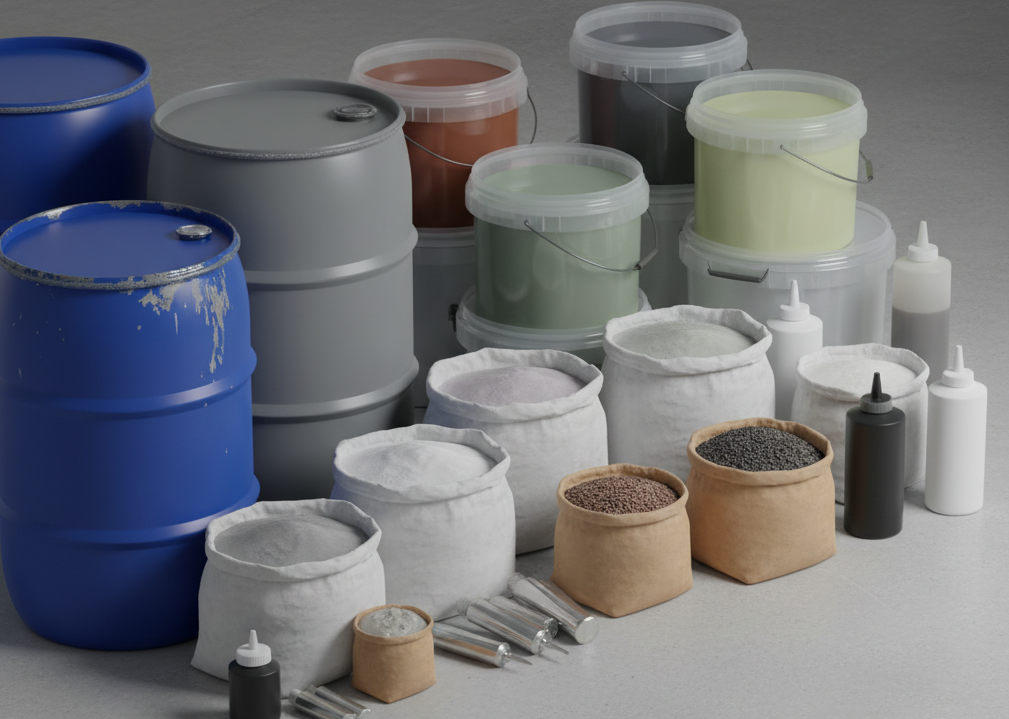
Construction chemicals are specially formulated materials used alongside conventional building materials to enhance performance, durability, strength, and usability. They are not replacements for cement, concrete, or steel but powerful enhancers that improve how these materials behave during construction and throughout the life of a building.
At Organix Building System, we approach construction chemicals as performance tools. Each formulation is designed to solve a specific on-site challenge, such as improving bonding, controlling setting time, increasing strength, or protecting surfaces from moisture and chemical attack. As a construction chemical manufacturer focused on quality and reliability,y we understand that even small improvements at the material level can make a big difference at the structural level.

Types Of Construction Chemicals

Construction chemicals cover a wide range of products, each serving a clear functional purpose. Some of the commonly used categories include:
• Concrete admixtures help control workability, strength development, and setting time.
• Waterproofing agents protect structures from water ingress.
• Repair mortars restore damaged concrete and improve load-carrying capacity.
• Protective coatings shield surfaces from abrasion, chemicals, and environmental exposure.
• Adhesives like tile fixers and epoxy grouts that ensure finishes stay put.
Understanding these types helps you select the right tool for the job.

Role Of Construction Chemicals In Modern Construction

Modern construction demands precision, speed, and long-term performance. Construction chemicals play a central role in meeting these expectations. They allow engineers and contractors to design smarter mixes, reduce material wastage, and achieve performance targets that traditional materials alone cannot deliver.
At Organix Building System, we see construction chemicals as enablers of innovation. They support advanced construction techniques, precast systems, fast-track projects, and high-performance structures by ensuring materials behave exactly as required at every stage.

Importance Of Construction Chemicals In Structural Strength

Structural strength is not just about compressive numbers on paper. It is about how materials interact under load over time. Construction chemicals improve bonding between aggregates, cement, and reinforcement, leading to more uniform stress distribution and reduced internal weaknesses.
Our experience as a construction chemical manufacturer shows that well-designed admixtures and bonding agents significantly enhance early and long-term strength. This results in structures that perform reliably under real-world conditions with fewer defects and reduced maintenance requirements.

Construction Chemicals For Waterproofing And Protection

Water is one of the most common causes of structural deterioration. Construction chemicals provide effective waterproofing and protective systems that block moisture pathways without compromising breathability or structural integrity.
At Organix Building System, our waterproofing solutions are engineered to integrate within concrete substrates rather than sitting as surface barriers alone. This approach ensures deeper protection and longer service life, which is critical for basements, podiums, water tanks, and wet areas.

Use Of Construction Chemicals In Repair And Rehabilitation

No structure is immune to wear damage or ageing. Construction chemicals are essential in repair and rehabilitation projects where precision and compatibility are critical. Repair mortar,s corrosion inhibitors, and bonding agents restore structural capacity while maintaining continuity with existing materials.
Our technical team at Organix Building System works closely with project consultants to select repair solutions that address root causes rather than surface symptoms,s ensuring durable and lasting repairs.

Applications Of Construction Chemicals Across Industries

Construction chemicals are used across residential, commercial, industrial, and infrastructure projects. From high-rise buildings and warehouses to hospitals, parking structures, and manufacturing facilities, these solutions adapt to diverse performance requirements. In industrial settings, they provide chemical-resistant floors. The expertise of a skilled construction chemical manufacturer touches every sector of development.

Quality Standards And Performance Requirements

Quality and consistency are non-negotiable in construction chemicals. Products must meet defined performance benchmarks and behave predictably across different project conditions.
Not all chemicals are equal. It is crucial to choose products that meet international standards like EN, ASTM, and local UAE approval. These certifications are your assurance of performance, safety, and reliability. They are benchmarks that separate proven solutions from substandard alternatives.

Environmental And Sustainability Benefits

Construction chemicals also contribute to sustainability by improving material efficiency and reducing resource consumption. Enhanced durability means fewer repairs, less material replacement,t and reduced environmental impact over time.
Modern construction chemicals are key to sustainable building. They enable the use of industrial by-products like fly ash in concrete, reduce water consumption, and enhance energy efficiency through better insulation and reflective coatings. They help build greener, more resource-efficient structures.

Choosing The Right Construction Chemicals

This is the most important decision. You need a partner, not just a supplier. Look for a construction chemical manufacturer with proven technical expertise, a comprehensive product range for all project phases, and a commitment to quality. A manufacturer that offers on-site guidance and tailored solutions will add immense value to your project, ensuring correct application and optimal performance.

Conclusion

Construction chemicals are no longer optional additions but essential components of modern construction. They strengthen,n protect, enhance,e and extend the life of structures while improving efficiency and quality at every stage. From new builds to repair projects, their role is both practical and strategic.
If you are planning a project or looking to improve construction outcomes,s we invite you to connect with Organix Building System. Together we can create structures that perform better,r last longer, and stand stronger for years to come.

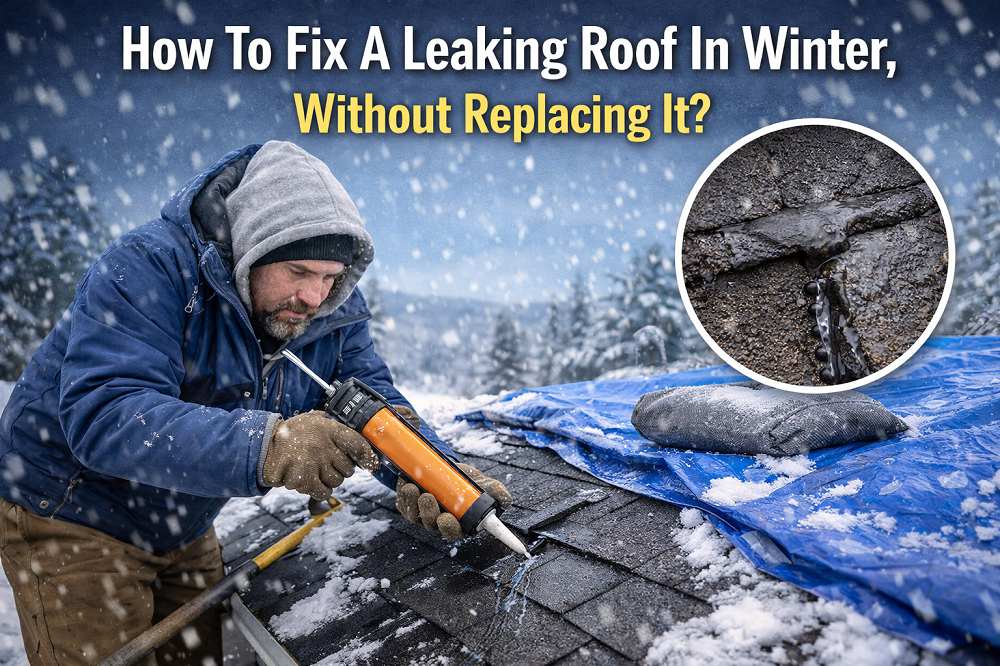
How To Fix A Leaking Roof In Winter, Without Replacing It?

Winter in the UAE might be brief, may not bring heavy snowfall, but it does bring chilly winds, unexpected rain showers, and moisture that finds its way into the smallest openings in your roof.  We’re here to tell you that a leaking roof in winter doesn’t automatically mean a full-blown replacement. In fact, with the right approach, we can often fix it, strengthen it.

Let us guide you through what causes winter leaks, how to fix them, and how you can prevent them in the future.

What Causes Roof Leaks In Winter

Even though UAE winters are mild, your roof still faces several stress factors. These issues can create openings that allow water to seep inside.

  • Weather changes: Our blazing summers cause materials to expand. Winter’s cooler temperatures make them contract. This constant flexing can open up tiny cracks in cement, sealants, and membranes.
  • Old or worn-out waterproofing: Many buildings in the UAE rely on older waterproofing systems that weaken over time. When the material loses its flexibility, it cracks and loses its ability to handle moisture.
  • Wind-Driven Rain: Those winter storms are powerful! Wind can force water upwards under rooftop tiles, into gaps around flashings, and through any vulnerable point.
  • Clogged drainage: During winter, sand, dirt, and debris block roof drains. This leads to water accumulation, which eventually forces its way under the surface.
  • Poor past repairs: Quick patch jobs done without proper waterproofing materials may survive the summer heat but fail during the cooler months.

These factors combined create the perfect environment for winter leaks. The key is spotting them early.

Signs Your Roof Is Leaking During Cold Weather

A winter roof leak is sometimes obvious other times, it’s sneaky.  Here is what to look out for.

  • Water stains, damp spots on ceilings or walls
  • Bubbling or peeling paint
  • A musty smell & mold starting to appear
  • Dripping water, especially near joints or light fixtures.

If you see any of these, your roof is letting in water and needs immediate attention.

How To Fix A Leaking Roof In Winter Without Replacement

The best part of dealing with winter leaks in the UAE is that the climate still supports fast and effective repair methods. You do not have to replace your entire roof. You just need the right waterproofing solution and the right team.

  • Step one: Inspect the affected area
  • Step two: Clean the surface
  • Step three: Apply a high-quality waterproofing product
  • Step four: Reinforce critical joints and weak areas
  • Step five: Test and monitor

This approach helps you repair your roof without going through the stress and cost of replacing it.

Temporary Repair Methods That Actually Work

If your leak is active and you need a quick fix before a professional visit, you can try these temporary solutions.

  • Seal small cracks with a waterproofing solution
  • Place a waterproof tarp
  • Clear blocked drains

These are only temporary fixes. To prevent further damage, always get a proper waterproofing solution from professionals.

Best Waterproofing Solutions For Winter Leaks

At Organix Building System, we use advanced waterproofing systems designed for UAE weather. These solutions do more than stop leaks. They restore your roof and protect it in the long term.

Here are some solutions commonly used:

  • Liquid-applied waterproofing
  • Acrylic roof coatings
  • Cementitious waterproofing
  • Elastomeric coatings

Diy Vs Professional Roof Leak Repair In Winter

It may feel tempting to fix your roof leak on your own, especially if the problem seems small. But winter leaks behave differently. Moisture spreads quickly inside layers you cannot see, and a simple patch often hides the deeper issue.

Here is why professional support is better.

  • Find the real source of the leak
  • Use advanced materials that last longer
  • Ensure proper bonding of waterproofing layers
  • Prevent future cracks and leaks
  • Save you the cost of repeated repairs

DIY can help as a temporary response. But if you want a lasting fix, leave it to trained experts like Organix Building System.

How To Prevent Roof Leaks In Future Winters?

Roof care is not a one-time process. With regular maintenance and smart planning, you can keep your roof safe for many winters.

Here are some steps you can take.

  • Clean roof drains before and during winter
  • Keep all drains and gutters meticulously clear of debris.
  • Apply a new waterproofing coat every few years
  • Seal visible cracks immediately
  • Schedule annual pre-winter roof inspections.
  • Choose flexible waterproofing products that handle temperature changes

When Should You Consider A Full Roof Replacement?

Although most winter leaks can be repaired without replacement, there are situations where a full replacement becomes necessary. You may need it if:

  • The roof structure itself is compromised (significant concrete spalling, widespread sagging).
  • The waterproofing layer is failing completely and universally across the entire roof.
  • You’re planning a major renovation or adding significant weight (like a terrace garden).

Conclusion

Your roof is your first line of defence. When winter leaks appear, you do not need to panic or think about expensive replacements. With the right guidance and proven waterproofing solutions, you can restore your roof and protect your home or business with confidence.

At Organix Building System, we are committed to providing strong, reliable, and long-lasting waterproofing services across the UAE.  

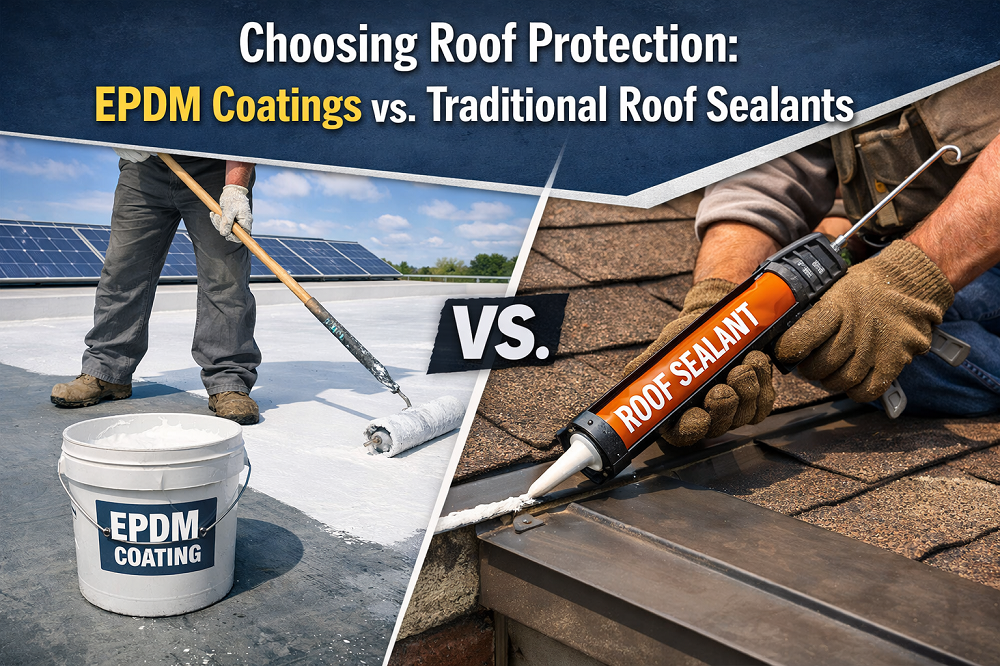
Choosing Roof Protection: Epdm Coatings Vs. Traditional Roof Sealants

Your building’s first line of defence is its roof, and choosing how to protect it is one of the most crucial decisions you’ll make. Get it wrong, and you’re looking at leaks, energy waste, and constant repair headaches. Get it right, and you enjoy peace of mind for decades.

Two of the most common roof protection choices in the UAE today are EPDM roof coatings and traditional roof sealants. Both options claim to protect your roof, but they function in very different ways. If you are unsure which solution is right for your home, villa, warehouse, commercial building, or industrial facility, this blog will guide you through everything you need to know.

What Are Epdm Roof Coatings?

EPDM (Ethylene Propylene Diene Monomer) coatings are liquid rubber-based protective layers made from a highly durable synthetic material. This special rubber formulation is made to withstand extreme heat, intense sunlight, heavy rain, and constant thermal expansion. When applied properly, the coating cures into a seamless waterproof membrane that stretches, flexes, and protects your roof for years.
At Organix Building System, we promote EPDM coatings because they offer long-term strength and are designed especially for environments like the UAE, where roofs experience constant temperature swings. These coatings are also popular because they stick easily to most roof surfaces,s including concrete, metal, wood, and bitumen.
What makes EPDM particularly appealing is its ability to resist cracking. Even as your building naturally moves or expands, EPDM continues to stay flexible, which means fewer repairs and less stress on you.

What Are Traditional Roof Sealants?

Traditional roof sealants are the older and more commonly known roof protection materials used by many property owners. These include acrylic sealants, bitumen-based sealants, polyurethane sealants, and silicone-based products. Each type has its own level of flexibility and weather resistance.
These sealants are usually chosen for quick repairs, minor leakage issues, or short-term roof maintenance. They do offer a protective layer, but many do not provide the same long-lasting endurance.
While traditional sealants may work well in regions with mild weather, they are not always the most reliable option in the UAE, especially if a temporary fix is not required.

Key Differences Between EPDM and Traditional Sealants

The biggest distinction is the formulation. EPDM is a rubber-based solution that cures into a single waterproof sheet. Traditional sealants are often chemical coatings that form a protective film, but do not stretch as much as EPDM. It’s the difference between wearing a raincoat (which can tear or blow open) and having skin that’s naturally waterproof (which moves with you).

Durability And Weather Resistance Comparison

If durability is your main concern, EPDM roof coatings clearly offer superior strength in the UAE climate. They handle high heat, ultraviolet rays, sandstorms, heavy humidity, and sudden rain without breaking down. EPDM maintains its flexibility and structure even after long exposure to harsh weather.
Traditional sealants provide weather resistance, but not at the same level. Many begin to crack under constant heat, and some lose their sealing ability once exposed to extreme sunlight day after day. In coastal regions, salt in the air can cause even faster degradation. With EPDM, you gain long-lasting reliability. With traditional sealants, you may find yourself repainting, resealing, or repairing more often than expected.

Waterproofing Performance

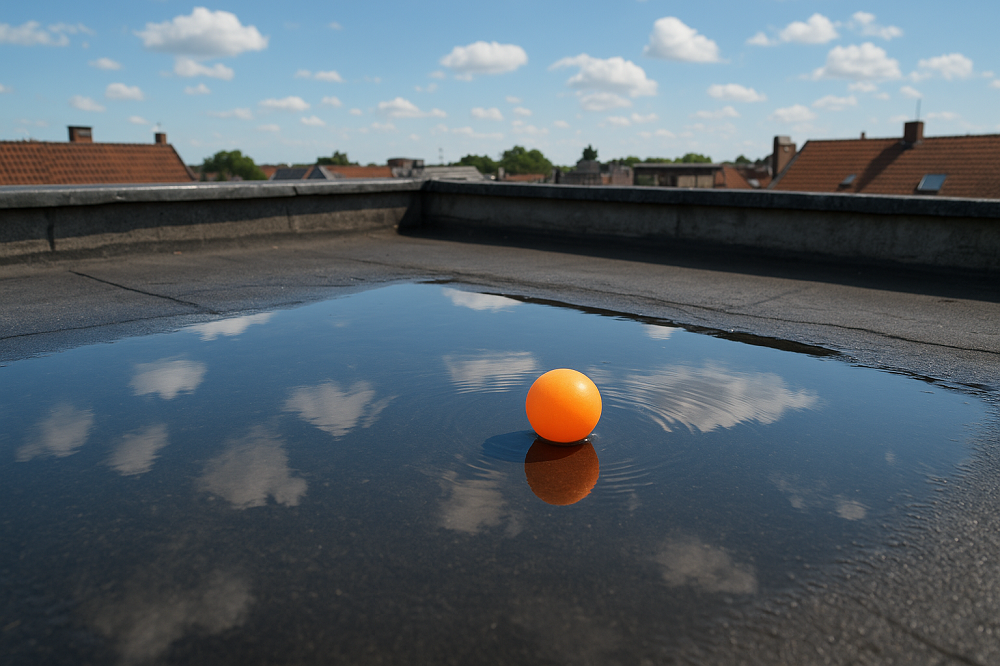
Waterproofing is non-negotiable. Traditional sealants can be effective until a hairline crack appears, then water finds its way in, often spreading underneath the coating unseen. EPDM coatings provide seamless waterproofing. With no joints, seams, or overlaps, water has nowhere to go. It simply sheets off. For areas prone to pooling water or heavy seasonal rains, this seamless nature is a game-changer.

Installation And Maintenance Requirements

When applied by trained roofing professionals, EPDM coatings follow a smooth and efficient process. The coating spreads evenly, bonds strongly with the surface, and cures into a durable layer. Once installed, EPDM requires very minimal maintenance. This makes it a perfect choice for commercial and industrial clients who want trouble-free performance.

Traditional sealants often require more frequent checking, recoating, or patching. Because they are applied in smaller areas, any missed spots can create weak points. Over time, these sealants dry up or separate from the roof surface, which means you will need periodic upkeep.

Cost Comparison

Let’s be honest about cost. Yes, the initial investment for an EPDM coating is typically higher than a traditional sealant job. However, when you factor in the dramatically extended lifespan (a properly installed EPDM system can last over 20 years), the near-zero maintenance costs, and the energy savings from its reflective properties, the long-term value becomes crystal clear. With traditional options, you pay less now, but you pay again and again in repairs, recoats, and higher cooling bills.

Which Roof Protection Is Better For Your Roof?

Your choice depends on what you want for your property. If you need a temporary, budget-friendly solution for a small leak, a traditional sealant may be a suitable option for now. But if you want complete roof protection that offers longevity, unparalleled weather resistance, and minimal lifetime maintenance, then EPDM roof coatings are the better option.

Why 2026 Is The Year We Change How We Think About Waterproofing In The UAE

For too long, waterproofing in UAE has been treated as a hidden detail, a necessary box to tick during construction. But a powerful shift is happening. The convergence of our rapid urban expansion, the increasing intensity of sporadic rainfall, and the soaring cost of reactive repairs is creating a pivotal moment. We can no longer rely on the “out of sight, out of mind” approach. Traditional methods, while familiar, are often no match for the long-term demands of our unique climate.
At Organix Building System, we see 2026 as a defining year. It’s the year the industry moves from simply applying a product to designing an integrated, intelligent shield for your property. This shift is driven by a growing awareness among developers and building owners like you, who understand that proactive protection is far wiser than costly, disruptive cures. For us, this is our core mission: to lead with solutions that are not only technically superior but are designed with your long-term peace of mind at the heart of everything we do.

The Rise Of Intelligent Waterproofing Systems

One of the most exciting trends we’re embracing is the move towards ‘smart’ protection. Imagine a system that alerts you to a potential leak before it ever stains your ceiling or damages your assets. This isn’t a fantasy; it’s the reality of modern moisture-sensing technology integrated into building structures. This predictive approach transforms waterproofing from a reactive headache into a core part of your building’s proactive health management.

Building A Greener, More Sustainable UAE

Sustainability is no longer a buzzword; it’s a responsibility we all share in this region. The latest innovations in waterproofing are directly supporting the UAE’s vision for a sustainable future. We are now using products with low VOC (Volatile Organic Compounds) emissions, improving indoor air quality, and incorporating reflective roof coatings that significantly reduce your building’s cooling load.
Think of a white, reflective coating on your roof, not only sealing out water but also reflecting the sun’s rays. This directly lowers your energy consumption and costs—a win for your wallet and our environment. At Organix, integrating these eco-conscious solutions into our roof waterproofing in Dubai projects is a point of pride. It’s how we build trust and ensure our work aligns with both your values and global best practices.

Faster, Stronger, And Smarter Application Methods

Time is a critical resource on any project, and 2026 is seeing the rise of rapid-curing technologies that deliver superior strength in a fraction of the time. Spray-applied membranes, for instance, allow us to create a seamless, joint-free “second skin” over complex surfaces, eliminating the weak points where leaks traditionally start.
This is especially crucial for specialized applications like Sandwich Panel Waterproofing. The old method of using basic sealants on panel joints is unreliable. Our advanced liquid-applied membranes, often reinforced with fabric, stretch and move with the panels through daily thermal cycles, ensuring a durable, long-lasting seal that can even withstand our abrasive sandstorms. This means less disruption to your operations and a more resilient building envelope.

Why Expert Application Is Your Greatest Safeguard?

The most advanced membrane or smart sensor is only as good as the team installing it. In the UAE, where every building faces a unique set of environmental challenges, expert application is non-negotiable. A poor installation can undermine a world-class product, leading to the very problems you sought to avoid.
This is the core of the Organix promise. Our highly trained teams don’t just follow instructions; they understand the nuances of local materials, our specific climate, and the unique pressures on each structure. We treat every project as a custom challenge, ensuring that every seam, joint, and penetration is meticulously prepared and protected. Your building’s defence is only as strong as its weakest link, and we make it our mission to ensure there are none.

Organix – Your Partner In The Health Of Your Building For The Long Term

The landscape of waterproofing in UAE is evolving at an incredible pace. Looking ahead, we see even more integration of smart technology, self-healing materials, and eco-friendly solutions becoming the standard.
For us at Organix Building System, our focus remains steadfast: to be your trusted partner in building health. We don’t just sell you a product; we provide a comprehensive diagnosis and a long-term protection plan. We believe your investment deserves to be shielded by the very best the industry has to offer.
Are you ready to move beyond temporary fixes and invest in a smarter, more sustainable future for your property? Let’s start a conversation about protecting what matters most to you.

Types of Construction Chemicals and their Uses

The skyline of the UAE is more than just a collection of stunning buildings; it’s a testament to human ambition. From the deep foundations anchoring towers to the shimmering glass facades reflecting the sun, every structure tells a story of conquering one of the most demanding environments on Earth. But what keeps these architectural marvels standing strong against the relentless sun, the corrosive humidity, and the very sand they’re built upon?
The unsung heroes are often the materials you don’t see, the sophisticated construction chemicals that work tirelessly behind the scenes. At Organix Building System, we see these not just as products, but as the essential vitamins and minerals for your building’s health. Just as our own bodies need the right compounds to thrive, your construction project needs the right chemical solutions to ensure a long, resilient, and healthy life.

What Exactly Are Construction Chemicals?

In simple terms, construction chemicals are specialized compounds added to construction materials like concrete, mortar, and steel to improve their performance, durability, and overall quality. Think of them as the secret sauce that takes a good building and makes it a great one. They are the difference between a structure that merely stands and one that endures for generations.

Why Your UAE Project Can’t Thrive Without Them?

In our unique region, using high-quality construction chemicals is a necessity. The extreme climate poses significant challenges:
Scorching heat: Constant thermal expansion and contraction can cause cracks.
High humidity: Promotes corrosion of steel reinforcement (rebar) and mold growth.
Saline environment: Salt in the air and ground can accelerate concrete deterioration and corrosion.

The right construction chemicals directly combat these issues, offering benefits like:
Enhanced durability: Protecting your investment from the harsh elements.
Increased strength: Allowing for more innovative and ambitious designs.
Long-term cost savings: Preventing expensive repairs and maintenance down the line.
Faster construction times: Some products speed up processes, getting your project to completion sooner.

The Organix Toolkit: Key Types Of Construction Chemicals And Their Uses

Let’s break down the essential categories of construction chemicals and how they contribute to building a stronger UAE.

Concrete Admixtures

Concrete is the backbone of construction, but plain concrete can be inconsistent. Admixtures are ingredients added during the mixing process to give concrete superpowers. In the UAE, water-reducing admixtures are used to create a stronger, more workable mix with less water. Also set-retarding admixtures to prevent concrete from setting too quickly during transport and placement in high temperatures.

Waterproofing Chemicals: The Invisible Shield

Water is a building’s silent enemy. From underground parking decks to rooftop terraces and bathroom wet areas, moisture intrusion is a constant threat that can lead to structural damage and unhealthy mold.
Their uses: Applying liquid-applied membranes, cementitious coatings, and sheet membranes creates a seamless, flexible barrier. This is absolutely critical for protecting foundations from groundwater and balconies from rain, ensuring a completely dry and healthy interior.

Protective Coatings: The Armor

Your building’s surfaces are constantly under attack by UV rays, chemical spills, and abrasion. Protective coatings act as a suit of armour.
Their uses: Anti-carbonation coatings on concrete to prevent corrosion of the steel inside. On floors, apply epoxy and polyurethane coatings to create surfaces that are resistant to chemicals, heavy traffic, and easy to clean, perfect for warehouses, hospitals, and commercial kitchens.

Adhesives: The Strong Bonds

From tiles on a vast villa floor to insulation on a high-rise, modern construction relies on strong, reliable bonds. Modern adhesives have replaced older, less effective methods
Their uses: We provide high-strength tile adhesives that ensure your marble or ceramic tiles stay firmly in place, even with temperature fluctuations. We also supply specialized adhesives for securing insulation boards and fixing wall panels, creating a safer and more energy-efficient building envelope.

Concrete Repair Solutions

Over time, even the best-built structures can develop cracks or spalling (chipping) due to stress or environmental exposure. Ignoring these issues can lead to major problems. Repair mortars and compounds are designed to seamlessly restore the structural integrity and appearance of damaged concrete. These solutions are used to repair columns, beams, and slabs, effectively giving the concrete a new lease on life.

Grouts & Anchoring Systems: The Precision Anchors

When you need to securely fix a heavy machine bolt something into concrete or fill the gaps in tight spaces with immense strength, you need grouts and anchoring systems.
Their Uses: Non-shrink grouts are used to precisely set heavy machinery, steel columns, and anchor bolts. Chemical anchoring adhesives are used to fix railings, facades, and structural elements into pre-drilled holes, providing a strength often greater than the concrete itself.

Flooring Systems: The Durable Canvas

The floor of a building takes more punishment than almost any other surface. A generic floor simply won’t withstand the demands of different industries.

Organix Building System: Your Partner In Building Resilience

At Organix, our philosophy is simple: your building’s longevity is our legacy. Our team of experts understands the nuances of the UAE’s construction landscape. We are committed to providing you with proven, high-quality products that meet the highest international standards, because we believe that the foundations of our community are built on trust and resilience.

What Is Wet Area Waterproofing?

When it comes to construction and interior finishing, there’s one crucial aspect that often gets overlooked until it’s too late — waterproofing. Especially in the UAE, where humidity levels and water usage are high, proper waterproofing is not just about comfort; it’s about safety, durability, and protecting your investment.

What Is Wet Area Waterproofing?

Wet area waterproofing is the process of creating a watertight barrier in areas that are regularly exposed to moisture or water. Think of places like bathrooms, kitchens, balconies, laundry rooms, or even swimming pool decks. These are “wet areas” — spaces where water contact is constant and leaks can easily penetrate surfaces if not properly sealed.
Without waterproofing, even the smallest cracks in your tile grout or concrete surface can allow water to seep in.

Why Is Wet Area Waterproofing Non-Negotiable In The UAE?

You might think, “It’s a desert climate, how bad can a little water be?” The reality is, our environment makes wet area protection more critical, not less.
• High usage & humidity
• Sandy soil & structural stress
• Preserving your investment

The Effect Of Skipping Waterproofing

Ignoring this crucial step is a gamble with high stakes. The consequences include:

  1. Structural damage
  2. Mold and Mildew
  3. Damage to Finishes and Fixtures
  4. Leaks:

Effective Wet Area Waterproofing Methods

Wet area waterproofing isn’t about slapping on a single coat. It’s a meticulous system. It is built on three pillars: Preparation, Application, and Protection.

  1. Surface preparation: This is the most critical step. The surface must be clean, solid, and free of dust, oil, or any loose material. Repair all cracks and holes and ensure the area is perfectly primed to receive the waterproofing membrane. A product applied to a poorly prepared surface is destined to fail.
  2. Application at Critical Points:

Joints & corners: All internal corners (where walls meet floors, or walls meet walls) and the joints where pipes enter the floor are the most vulnerable points. These are reinforced with a waterproof tape embedded in the coating.
Layers of Protection: The liquid membrane is applied in multiple, continuous coats, each one brushed or rolled on in a specific direction to ensure there are no pinholes or weak spots. The thickness of the application is crucial.

  1. The final protection: A key part of wet area protection that often gets overlooked is the “fall” or slope of the floor. The floor must be gently sloped towards the drain to ensure water flows away, rather than pooling. Pooling water will eventually find a way through, no matter how good your membrane is.

The Organix Building System Difference

At Organix, we don’t just sell products; we provide solutions backed by science and a deep understanding of the UAE’s harsh climate. Our products are formulated to perform here, where it counts.
To bring these wet area waterproofing methods to life, we rely on our own trusted products:

  1. Organix P-111 (Polyurethane Waterproofing Coating): This is our go-to for ultimate flexibility and strength. Think of balconies and terraces exposed to the scorching sun and thermal movement. P-111 expands and contracts with the structure, creating a seamless, rubber-like blanket that won’t crack. It’s perfect for areas that need a tough, elastic shield.
  2. Organix A-101 (Cementitious Coating Polymer Modified): For internal wet areas like bathrooms and kitchens, A-101 is a star performer. It’s a flexible, brush-applied coating that bonds exceptionally well to concrete and cement-based surfaces. It’s easy to apply and provides a robust, watertight barrier that is perfectly suited for the tiled surfaces in your home.
  3. Organix W-500 (Flexible Wall Waterproofing): Specifically designed for walls, this product protects your home from water penetration from the outside in, but it’s also brilliant for internal walls in wet areas. It’s a polymer-modified cementitious coating that is vapour permeable, meaning it allows the building to “breathe” while still blocking liquid water – a crucial feature for long-term health of the structure.

Wet area waterproofing might not be the most glamorous part of construction, but it’s one of the most important. Every drop of water that stays out of your walls and floors is a win for your building’s health and your peace of mind.

If you’re planning a new project or facing waterproofing challenges in your existing property, let’s talk. At Organix Building System, we’re here to provide you with the right products, expert guidance, and reliable support to keep your spaces dry and protected for years to come.
Get in touch with us today to learn more about our wet area waterproofing solutions. We’ll help you choose the right wet area waterproofing system for your project, ensuring your space remains protected for years to come.

Types Of Construction Chemicals

Think of your building not just as a structure, but as a living entity. It needs to breathe, to be protected from the elements, and to stand strong for generations. In a place like the UAE, where the sun is relentless and the occasional downpour can be surprisingly fierce, this protection isn’t a luxury; it’s a necessity. That’s where understanding the different types of construction chemicals becomes your superpower.

Understanding Construction Chemicals

Construction chemicals refer to specialty additives, formulations, and products that are added or applied to concrete, masonry, coatings, sealants, and waterproofing systems, among others, to enhance performance beyond what plain materials can achieve. These chemicals help with:
• Water resistance
• Durability/crack control
• Adhesion and bonding
• Protection (UV, corrosion, fire)
• Workability (ease of placing, extending setting time, etc.)
In the UAE, because of harsh environmental stresses, these chemicals play a far more critical role. Below, I’ll categorize and show you how we use them in real life.

The Main Types Of Construction Chemicals

Concrete Admixtures: If concrete is the skeleton of your building, then concrete admixtures are the supplements that make it stronger, more durable, and easier to work with. Plain concrete has its limits, especially when facing the UAE’s heat, which can cause it to set too quickly, leading to cracks and weaknesses.
Admixtures are added during the mixing process to give concrete new, enhanced properties. They are the secret recipe for superior performance.

Water-Reducers & Superplasticizers: These are workability heroes. They make the concrete mix more fluid without adding extra water, which is crucial because excess water weakens the final structure. This allows for easier pouring and a denser, more robust concrete.
Retarders: A retarder slows down the setting time, giving workers ample time to transport, place, and finish the concrete properly, preventing cold joints and ensuring a seamless pour.
Accelerators: Sometimes, you need the opposite effect. Accelerators speed up the setting and early strength development, which is vital for rapid construction schedules or when working in cooler winter months.

Waterproofing Chemicals: Water is a silent destroyer. From the humidity in the air to the rare but potent UAE rainfall, moisture is constantly looking for a way in. Once it penetrates your structure, it can lead to steel corrosion, concrete cancer, and unhealthy mold growth. This is where waterproofing chemicals form an impenetrable barrier.
A comprehensive waterproofing system protects every part of your building:

Below Ground (Basements, Foundations): These areas are in constant contact with soil moisture. We use APP-BASED POLYMER BITUMEN COATINGS like our ORGANIX APP 115 that create a flexible, torch-applied membrane, offering robust protection against hydrostatic pressure.
Above Ground (Terrace, Balconies, Wet Areas): For terraces and bathrooms, we rely on flexible, seamless coatings. Our POLYURETHANE (PU) COATINGS and CEMENTITIOUS WATERPROOFING systems form a rubber-like elastic shield that bridges small cracks and withstands foot traffic, ensuring no water ever seeps through to the floors below.
Crack repair: For existing leaks, we have solutions like our NON-SHRINK GROUT and EPOXY INJECTION SYSTEMS (ORGANIX INJ 552) that can be pressure-injected into cracks, effectively sealing them from the inside out.

Protective Coatings: While waterproofing keeps liquid water out, protective coatings for buildings defend against a wider array of enemies.
Anti-carbonation coatings: Concrete naturally protects the steel inside it with a high alkaline environment. But over time, carbon dioxide from the air can neutralize this protection in a process called carbonation. Our specialized coatings block this CO2, preventing the rusting of the steel reinforcement within.
Protective & decorative facade coatings: A building’s exterior needs to look good and last long. Our range of exterior paints and texture coatings does more than just add color. They are engineered to be dirt-resistant, weatherproof, and UV-resistant, reflecting the sun’s heat and reducing cooling costs.
Floor hardeners & toppings: For industrial floors, warehouses, or parking areas that face heavy abrasion from vehicles and machinery, a simple concrete surface won’t last. Our DRY SHAKE HARDENERS and EPOXY FLOOR COATINGS create a surface that is incredibly resistant to impact, chemical spills, and wear and tear.
Beyond these three pillars, construction chemicals include other vital specialists:
Repair mortars & non-shrink grouts: For repairing spalled concrete, anchoring machinery, or fixing pre-cast elements, these high-strength materials ensure your repairs are even stronger than the original.
Bonding agents: When you need to pour new concrete over old, a bonding agent like our ORGANIX BOND 112 is essential. It creates a powerful adhesive bridge, ensuring the two layers act as one monolithic unit.
Curing compounds: Proper curing is vital for concrete to reach its full strength. Our curing compounds form a membrane on the fresh concrete surface, trapping the moisture inside so it can hydrate fully, even under the hot sun.

Why Understanding Types Of Construction Chemicals Matters To You?


• Cost vs longevity: Saving on the right chemicals may save money now, but may cost you much more in repairs, leaks, corrosion, and repainting later.
• Project performance: On a tough job like coastal, high-rise, heavy traffic zones, you need materials you can trust. Knowing the types helps you ask the right questions.
• Better decisions: When you know whether you need an admixture, a waterproofing membrane, or a protective coating, you’re in a better position to evaluate bids, prevent overdesign, and avoid failures.

Conclusion


Using the right chemical in the right place is what separates a building that merely stands from one that stands the test of time. Contact Organix Building System today for a consultation. Let our experts help you choose the right construction chemicals to ensure your next project in the UAE is stronger, safer, and built to last.

Green Waterproofing: Sustainable Materials for A Leak-Free Future

In our beautiful UAE, where the sun dominates the skyline, it’s easy to forget about the threat of water. But when it does come, whether from a winter downpour, humidity, or a hidden pipe leak, it can cause chaos in our sanctuaries. For decades, the solution was to slap on the strongest chemical barrier we could find. But what if the solution to protecting our homes could also help protect our planet?
Here at Organix, we believe your home’s health and our planet’s health are not separate concerns. They are deeply connected. That’s why we’re so passionate about the future of waterproofing—a future that is green, sustainable, and incredibly effective. This isn’t just about stopping leaks; it’s about building smarter for our families and for the future of the UAE.

Why “Green” Waterproofing Is A Perfect Fit For The UAE

Our nation is a global leader in innovation and sustainability, with ambitious visions like the UAE Net Zero 2050 Strategic Initiative. Our buildings should reflect that forward-thinking spirit. Traditional waterproofing materials can sometimes contain high levels of VOCs (Volatile Organic Compounds) that aren’t great for the air we breathe inside our homes or the environment outside.
Green waterproofing swaps out those harsh chemicals for advanced materials that are kind to the planet without compromising on the robust protection your home absolutely needs. It’s about performance with a conscience.

What Makes A Waterproofing Material “Green”?

They’re not magic at all; they’re the result of brilliant science focused on sustainability. When we talk about green waterproofing, we’re looking at materials that have one or more of these fantastic qualities:
• Made from recycled content: Some of the best membranes and coatings are now manufactured using post-consumer or post-industrial recycled materials, giving waste a new, incredibly valuable purpose.
• Plant-based (Bio-based) formulas: Imagine a powerful waterproofing barrier derived from plants like corn or soy. These renewable resources reduce our reliance on fossil fuels and are often completely non-toxic.
• Low-VOC or Zero-VOC: These products significantly improve indoor air quality during and after application. This means you can have your waterproofing work done without that strong, unpleasant chemical smell lingering for days.
• Durability and longevity: The greenest product is the one you only have to apply once. High-performance, long-lasting waterproofing systems mean less material used over the lifetime of a building and far less waste going to landfills.

Our Promise At Organix: Your Partner In Sustainable Protection

This isn’t just a trend for us; it’s the core of who we are. We’ve carefully curated a range of green waterproofing solutions because we believe you shouldn’t have to choose between a leak-free home and an eco-conscious one.
Our experts don’t just sell you a product; we provide a complete solution. We consider the unique demands of the UAE climate, like the intense heat, the potential for heavy rainfall, and the corrosive salty air, and match your specific project with the perfect sustainable waterproofing system. We ensure it’s not only environmentally friendly but also tough enough to stand up to the elements, protecting your investment for decades to come.

The Real Benefits You Can Feel

Choosing a green waterproofing solution is a smart choice that delivers tangible benefits:
• A healthier home environment: Protect your family’s health with materials that won’t off-gas harmful chemicals. This is especially important for children, elderly family members, or anyone with allergies.
• Unbeatable peace of mind: These are not “alternative” or weaker products. They are top-tier, high-performance systems that often outperform their traditional counterparts, giving you absolute confidence in your property’s protection.
• Contributing to a larger vision: By choosing sustainable waterproofing, you are actively participating in the UAE’s sustainability goals. You’re reducing your carbon footprint and building a legacy of responsibility for future generations.
• Potential for better efficiency: Some reflective waterproofing coatings can help reduce the urban heat island effect and even lower cooling costs inside your building, making your home more comfortable and efficient.

Conclusion: Building Our Future, One Drop At A Time

Our homes are our pride, our safe havens. The land we live in is a testament to what’s possible when vision meets action. It’s time our building practices honoured both. Waterproofing is a hidden, crucial layer of your property, and choosing the right solution for waterproofing Dubai ensures lasting protection in the region’s harsh climate. So, why not make it a layer that does good while it does its job?

At Organix, we see a future where every building in the UAE is not only stunningly beautiful and structurally sound but also a benchmark for environmental responsibility. Visit Organix Building System or contact our experts today for a consultation.