Enquire Now Call Us Email Us

Organix Ultral Epdm

The Organix ULTRAL EPDM Waterproofing and Vapor Barrier Membrane feature a fully cross-linked molecular structure. Its flame-free, easy installation process makes it a safer option than others. With a service life of over 50 years, it is also maintenance-free and environmentally friendly, as it can be recycled sustainably. The cold application process also provides added safety on the job site. Overall, durable synthetic rubber material positively impacts the environment.

Ultral EPDM is a synthetic rubber membrane that is commonly used in roofing, waterproofing, and civil engineering applications. It is known for its durability, flexibility, and resistance to UV light, weathering, ozone, and extreme temperatures.

Benefits of Organix Ultral EPDM Membrane:

Energy Efficiency: Ultral EPDM membrane has high insulation properties, which can help reduce energy costs in buildings by reducing heat loss in winter and heat gain in summer.

Easy to Use: Ultral EPDM is easy to use and is widely recognized as a material that can be quickly learned by any new tradespeople or laborers. Unlike complicated materials like GRP and PVC, there is no steep learning curve when working with Ultral EPDM. Additionally, its design minimizes the chance of human error, making it ideal for tricky roof installations.

Safer Option: Some materials like BUR and torch-on felt require the use of naked flames and emitting harsh fumes during installation. Ultral EPDM, on the other hand, has a cold application process and is installed using adhesives that are less harmful to the installer and environment.

ULTRAL® EPDM

Durability: Ultral EPDM membrane is highly resistant to extreme weather conditions, including high winds, heavy rain, and hot temperatures. It also has excellent ozone and UV resistance, making it an ideal choice for roofing and waterproofing applications.

Flexibility: Ultral EPDM membrane is highly flexible, allowing it to be applied to a wide range of substrates, including metal, concrete, and asphalt. This makes it an ideal choice for a variety of roofing and waterproofing applications, including flat roofs, pitched roofs, and balconies.

Low Maintenance: Ultral EPDM membrane is a low-maintenance material that does not require frequent cleaning or repair. It is also easy to repair if a small area becomes damaged, reducing the need for costly replacements.

Where Ultral EPDM Membrane Can Be Used:

Roofing: Ultral EPDM membrane is widely used in flat roofing applications, as it offers excellent waterproofing and weather resistance. It is also ideal for pitched roofs, as it can be easily molded to fit the contours of the roof.

Waterproofing: Ultral EPDM membrane is commonly used for waterproofing in civil engineering projects, such as tunnels, bridges, and retaining walls. It is also ideal for waterproofing flat roofs, balconies, and terraces.

Ponds and Lakes: Ultral EPDM membrane is often used to line ponds and lakes, as it is highly resistant to water, algae, and UV light.

Landfills: Ultral EPDM membrane is used to line landfills, as it provides a barrier between the waste and the surrounding soil, preventing groundwater contamination.

Ultral EPDM membrane is a highly versatile and durable material that is widely used in roofing, waterproofing, and civil engineering applications. Its excellent durability, flexibility, and low-maintenance requirements make it an ideal choice for a variety of projects. Whether you are building a new roof, waterproofing a structure, or creating a pond, Ultral EPDM membrane is an excellent choice that will provide long-lasting protection.

For more information:
To learn more about Ultral EPDM contact support@organixbs.com
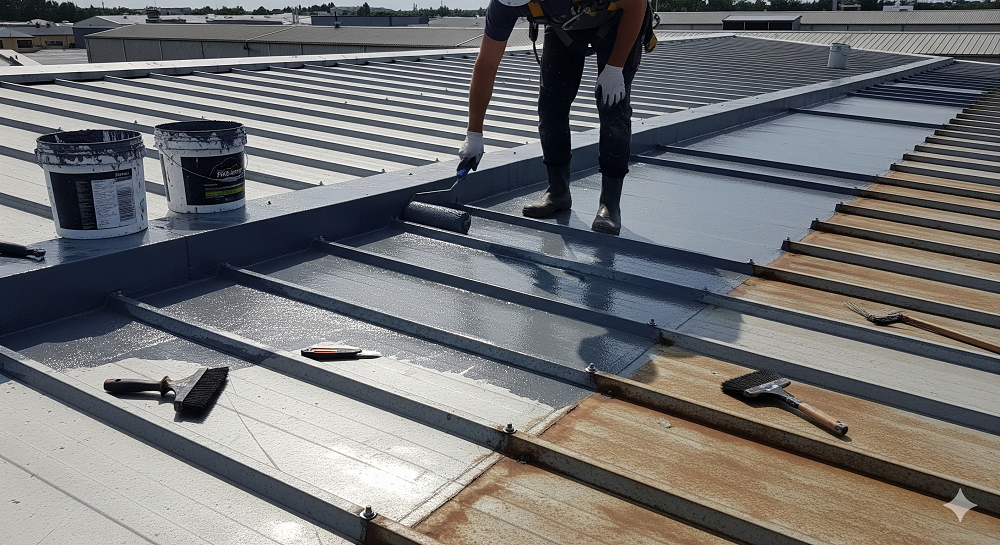
The Advantages of Waterproofing for Metal Roofs

Metal roofs have long been a preferred choice for residential, commercial, and industrial buildings due to their durability, longevity, and modern aesthetic. However, despite their many advantages, they are not entirely impervious to water-related issues. Over time, exposure to the elements can lead to rust, corrosion, leaks, and structural damage. This is where EPDM solutions play a crucial role in extending the lifespan and functionality of a metal roofing system.

In this article, we will explore the benefits of protective treatments for metal roofs and why it is an essential investment for property owners.

1. Prevents Leaks and Water Damage

One of the primary reasons property owners opt for protective coatings is to prevent leaks. Metal panels can develop gaps due to thermal expansion and contraction, causing water seepage over time. By applying an effective sealing solution, you create an additional protective layer that seals these gaps and prevents water from penetrating the roof structure.

Leaks can lead to significant interior damage, including mold growth, weakened insulation, and compromised electrical systems. A proper coating acts as a proactive solution to mitigate these risks before they escalate into costly repairs.

2. Enhances Roof Longevity

While metal roofs are known for their long lifespan, continuous exposure to moisture, UV rays, and fluctuating temperatures can accelerate wear and tear. Protective solutions, such as liquid coatings and sealants, provide an added layer of defense, reducing the impact of environmental stressors.

By protecting the metal surface from oxidation and corrosion, these treatments extend the overall lifespan of the roof. This means property owners can maximize their investment and avoid premature replacements or extensive repairs.

3. Reduces Rust and Corrosion

One of the most common issues with metal roofing is rust formation. When water and oxygen interact with the metal surface, oxidation occurs, leading to corrosion. This weakens the structure and can result in holes or cracks.

Protective coatings form a seamless barrier that prevents moisture from reaching the metal surface, effectively reducing the risk of rust development. Certain solutions offer excellent moisture resistance, making them an ideal choice for preserving metal roofs from corrosion.

4. Improves Energy Efficiency

A properly coated metal roof enhances a building’s energy efficiency. Many protective solutions include reflective coatings that minimize heat absorption, keeping interiors cooler during hot weather. This reduces the strain on air conditioning systems, leading to lower energy consumption and utility costs.

Additionally, these treatments prevent moisture infiltration, which helps maintain insulation effectiveness. A well-insulated building retains heat during colder months, further improving energy efficiency year-round.

5. Minimizes Maintenance Costs

Without proper coatings, metal roofs require frequent inspections and repairs to address leaks, rust, and structural degradation. Routine maintenance costs can add up over time, making it a costly endeavor for property owners.

By investing in a high-quality protective solution, maintenance requirements are significantly reduced. The protective layer prevents common issues, allowing property owners to save on long-term upkeep expenses.

6. Enhances Structural Integrity

Water infiltration can compromise the structural integrity of a building by weakening roofing materials, insulation, and support structures. When left unchecked, this can lead to sagging roofs, rotting wooden components, and even interior ceiling collapses.

Protective solutions preserve the strength and stability of the roof, ensuring it remains structurally sound for years to come. This is particularly important for commercial and industrial properties where operational disruptions due to roof damage can lead to significant financial losses.

7. Environmentally Friendly Solution

Many protective products are designed with eco-friendly formulations that reduce environmental impact. By extending the lifespan of a metal roof, these treatments help minimize waste associated with frequent repairs or premature replacements.

Additionally, some coatings contain reflective properties that reduce heat absorption, contributing to lower carbon footprints by decreasing energy usage. Opting for sustainable solutions supports green building initiatives while providing long-term benefits.

8. Compatible with Various Roofing Systems

Protective treatments are versatile and can be applied to different types of metal roofs, including standing seam, corrugated panels, and flat metal roofing systems. Whether you own a commercial warehouse, industrial facility, or residential property, there are tailored solutions to suit your specific needs.

Certain materials provide excellent adhesion to metal surfaces, ensuring long-lasting protection. Consulting with a professional roofing contractor can help determine the most suitable treatment for your roof type.

9. Cost-Effective Investment

While applying a protective solution requires an upfront investment, the long-term cost savings make it a financially sound decision. By preventing leaks, reducing maintenance expenses, and improving energy efficiency, property owners can enjoy significant savings over time.

Moreover, a properly treated metal roof enhances property value by demonstrating proactive maintenance and structural reliability. This can be a valuable selling point for potential buyers or tenants in the future.

10. Provides Weather Resistance

Metal roofs are constantly exposed to extreme weather conditions, including heavy rainfall, snow, hail, and strong winds. Specialized coatings add an extra layer of protection against these elements, ensuring the roof remains resilient in harsh climates.

Certain solutions can improve impact resistance, preventing damage from hail and falling debris. This added durability minimizes the risk of unexpected roof failures during severe weather events.

Conclusion

Applying a waterproofing treatment is an essential component of maintaining a durable, long-lasting, and energy-efficient metal roof. By preventing leaks, reducing rust formation, and enhancing overall structural integrity, these solutions offer a proactive approach to roof maintenance.

If you’re considering Metal Roof Waterproofing, it’s advisable to consult a professional roofing expert to determine the best solution for your property. Investing in a reliable protective system will safeguard your roof and extend its lifespan, ensuring a secure and weather-resistant building for years to come.

What Are the Waterproofing Materials

Comprehensive Guide to Waterproofing

Waterproofing is one of the most crucial aspects of construction, yet many property owners and even some builders are unsure which materials are best suited for different areas. Using the right waterproofing material not only protects your property from water damage but also significantly increases the durability of surfaces, from foundations to roofs.

At Organix Building System, we provide waterproofing solutions that ensure long-lasting, leak-free structures. This guide will help you understand the types of waterproofing materials available, their applications, and how they contribute to the overall durability of a building.

What is Waterproofing?

Waterproofing is the process of making a surface resistant to water penetration. In buildings, it prevents water from entering critical areas such as foundations, walls, roofs, terraces, and basements.

The process not only strengthens the structure but also prevents issues such as:

  • Mold growth
  • Dampness
  • Structural deterioration

Specialized services such as roof waterproofing Dubai, basement waterproofing, and wall waterproofing are particularly important due to the region’s high temperatures, occasional rainfall, and humidity levels. Proper waterproofing ensures buildings remain durable, safe, and comfortable.

Why are Waterproofing Materials Essential?

Without proper waterproofing, buildings face serious risks:

  • Cracks and surface damage
  • Reduced structural durability
  • Mold and dampness are affecting interiors
  • Decreased comfort and usability

By applying the right waterproofing products, you can prevent water ingress, control internal humidity, protect interiors, and enhance the lifespan of your building. Proper materials applied in the correct areas are essential for safe, durable, and sustainable construction.

Types of Waterproofing Materials

Different materials serve different purposes, and using the wrong product can lead to costly repairs. Here’s a detailed look at the most common waterproofing materials used in construction:

  1. Cement-Based Waterproofing

Cementitious waterproofing is one of the most widely used methods due to its simplicity and effectiveness. It involves mixing cement-based products to form a protective, water-resistant layer.

Applications:

  • Interior wet areas like bathrooms, toilets, and kitchens
  • Basements and water tanks
  • Terraces and swimming pools

Cement-based materials provide semi-flexible or fully resilient protection depending on the formulation. They are especially suitable for areas not directly exposed to sunlight. Cementitious coatings remain a popular choice for basement waterproofing due to their reliability and ease of application.

  1. Liquid Waterproofing Membranes

Liquid membranes form a seamless, flexible coating applied using a brush, roller, or spray. These coatings are usually made from polymers such as acrylic, polyurethane, or bitumen blends.

Applications:

  • Roofs and terraces (roof waterproofing)
  • External walls and parapets
  • Surfaces with structural movement

Liquid waterproofing membranes offer high elasticity and are excellent for areas that require long-term flexibility and water resistance. They have become increasingly popular due to their durability and ease of application.

  1. Bituminous Coatings

Bitumen-based coatings are flexible protective layers that can be applied to both horizontal and vertical surfaces. They are effective for:

Applications:

  • Foundations and basements (basement waterproofing)
  • Internal wet areas like kitchens, bathrooms, and toilets
  • Surfaces under screeds

Bituminous coatings offer strong water resistance and flexibility, making them suitable for areas with frequent exposure to water. They provide a reliable barrier against moisture while maintaining structural integrity.

  1. Membrane Waterproofing

Membrane waterproofing involves applying rolled sheets, often with a heat source, to create a strong waterproof layer. These membranes come in different thicknesses and formulations depending on the area of application.

Applications:

  • Roofs and terraces (roof waterproofing)
  • Balconies, retaining walls, and water tanks
  • Garden terraces and landscaped roofs

Membranes can also resist plant root penetration, making them ideal for green roofs and terraces. They are durable, cost-effective, and provide excellent long-term waterproofing performance.

  1. Polyurethane Liquid Membranes

Polyurethane membranes are highly elastic and form a seamless barrier, making them ideal for:

Applications:

  • Flat roofs and terraces
  • Balconies and exposed surfaces
  • Areas requiring high flexibility against structural movement

Before application, the moisture content of the concrete surface must be checked, as polyurethane membranes are sensitive to dampness. Proper surface preparation ensures optimal adhesion and maximum durability.

How do Waterproofing Materials Improve Building Durability?

Buildings are constantly exposed to environmental factors like rain, humidity, groundwater, and extreme temperatures. Without waterproofing, these factors can cause:

  • Structural deterioration
  • Surface damage
  • Mold and dampness
  • Reduced comfort and usability

Applying the correct waterproofing materials prevents water ingress, reduces internal humidity, and protects interiors and valuable assets. Comprehensive waterproofing products are essential for long-term building performance and sustainability.

Organix Waterproofing

At Organix Building System, we provide a wide range of waterproofing materials in Dubai, including:

  • Cementitious coatings
  • Liquid membranes
  • Bitumen-based coatings
  • Polyurethane membranes

Our solutions are designed to protect walls, roofs, terraces, basements, and other critical areas from water damage. For reliable, long-lasting, and leak-free structures, consult our experts to select the best materials for your building project.

Explore our complete range of waterproofing products in UAE and ensure your construction is protected against moisture, leaks, and environmental challenges.

Why EPDM is the Preferred Choice for Waterproofing and Sealing?

When it comes to waterproofing and sealing applications, EPDM (Ethylene Propylene Diene Monomer) has emerged as a leading material choice. Its exceptional durability, resistance to extreme weather conditions, and flexibility make it an ideal solution for a wide range of industries, including construction, automotive, and roofing. In this blog, we will explore the benefits, applications, and reasons why EPDM is the preferred choice for waterproofing and sealing.

What is EPDM?

EPDM is a synthetic rubber compound known for its excellent resistance to environmental factors such as UV rays, ozone, and harsh weather conditions. It is commonly used for roof waterproofing, sealing applications in automobiles, and industrial environments requiring high-performance sealing solutions. Its superior elasticity and resistance to aging make it one of the most reliable materials for long-term use.

Key Benefits of EPDM for Waterproofing and Sealing

  1. Exceptional Weather Resistance

EPDM is highly resistant to UV radiation, ozone exposure, and extreme temperatures, making it a durable choice for outdoor applications. Unlike other materials that may degrade over time, EPDM maintains its structural integrity for decades.

  1. Waterproof and Leak-Proof

One of the primary reasons for using EPDM is its excellent waterproofing properties. It prevents water ingress and leakage, making it ideal for roofing membranes, pond liners, and underground waterproofing applications.

  1. Superior Flexibility and Elasticity

EPDM remains flexible even in extreme temperatures, ranging from -40°C to 120°C. This flexibility allows it to expand and contract without cracking, ensuring a secure seal in fluctuating environments.

  1. Long-Lasting Durability

With a lifespan of up to 50 years or more, EPDM outperforms many traditional waterproofing materials. It resists wear and tear, chemical exposure, and mechanical stress, making it a cost-effective solution for long-term applications.

  1. Chemical and Corrosion Resistance

EPDM is resistant to a variety of chemicals, including acids, alkalis, and industrial solvents. This makes it a preferred sealing material in chemical processing plants, HVAC systems, and other industrial applications.

  1. Easy Installation and Maintenance

EPDM sheets and membranes are easy to install using adhesives, mechanical fasteners, or heat welding techniques. Additionally, its low maintenance requirements reduce long-term costs and ensure reliability.

  1. Eco-Friendly and Sustainable

EPDM is an environmentally friendly material, as it is recyclable and contributes to energy-efficient buildings. Its high reflectivity in white variants can help reduce cooling costs by reflecting sunlight and lowering heat absorption.

Common Applications of EPDM

  1. Roof Waterproofing Systems

Roof waterproofing is crucial for protecting buildings from leaks and water damage. EPDM roofing membranes are widely used for flat and low-slope roofs due to their superior waterproofing capabilities. They offer an effective solution for both residential and commercial buildings.

  1. Automotive Sealing

EPDM is commonly used in car door seals, window seals, trunk seals, and hood seals due to its weather-resistant and flexible nature. It prevents water leakage and enhances vehicle insulation.

  1. Pond Liners and Water Containment

In landscaping and agricultural applications, EPDM is used as a pond liner to prevent water seepage and maintain water retention in artificial lakes and reservoirs.

  1. HVAC and Industrial Sealing

EPDM gaskets and seals are widely used in HVAC systems, pipelines, and industrial machinery to prevent leaks, maintain airtight seals, and resist chemical exposure.

  1. Underground Waterproofing

EPDM membranes are used for underground structures such as basements, tunnels, and foundations to prevent water penetration and ensure structural integrity.

How EPDM Compares to Other Waterproofing Materials

FeatureEPDM RubberPVC MembraneTPO MembraneBitumen-Based Membrane
Weather ResistanceHighModerateHighModerate
Lifespan50+ years20-30 years30+ years20-25 years
FlexibilityExcellentModerateHighLow
Chemical ResistanceHighModerateModerateLow
Installation EaseEasyModerateEasyDifficult
Environmental ImpactLowModerateModerateHigh

Why Choose EPDM for Your Waterproofing and Sealing Needs?

EPDM stands out as the preferred choice for waterproofing and sealing due to its durability, flexibility, and cost-effectiveness. Whether you need a long-lasting roof waterproofing solution, a reliable pond liner, or an industrial-grade sealing material, EPDM offers unmatched performance. Its ability to withstand extreme conditions, coupled with easy installation and low maintenance, makes it a top choice for professionals across various industries.

EPDM rubber is the ultimate waterproofing and sealing solution for a wide range of applications. Its superior properties, including weather resistance, durability, and flexibility, make it a preferred choice for the construction, automotive, and industrial sectors. If you’re looking for a material that ensures long-lasting protection and reliability, EPDM is the way to go.