
 Admin
Admin
 30 Jul 2026
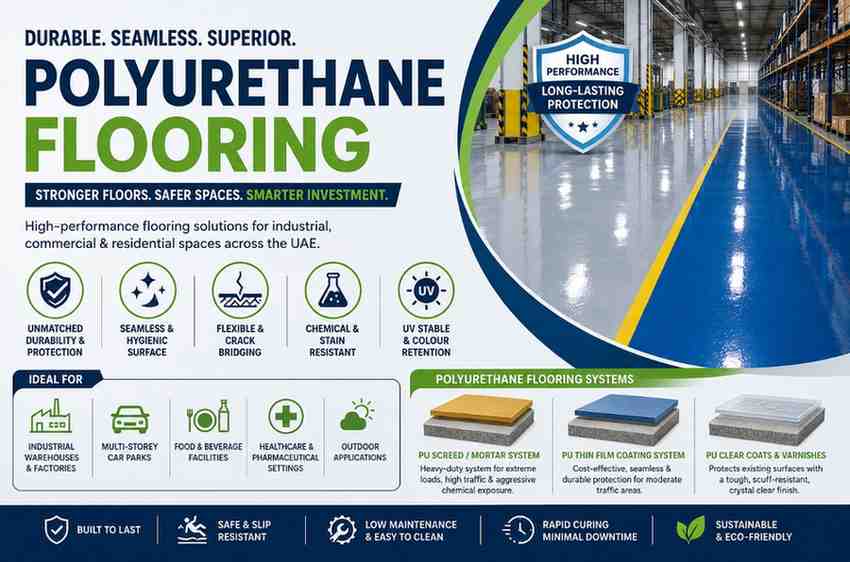
Whether you operate a warehouse, manufacturing facility, hospital, multi-storey car park, or restaurant kitchen, your flooring faces constant assault from heavy machinery, forklift traffic, chemical spills, food acids, foot traffic, and moisture. Cracks, stains, slippery surfaces, and dust from deteriorating concrete are serious workplace safety hazards, compliance issues, and expensive problems. Imagine a seamless, durable, and hygienic surface that bonds directly to concrete and becomes protective armour. This is the reality of polyurethane flooring.
At Organix Building System, we have engineered world-class solutions like our FLOORFORT PU and FLOORFORT FG Extreme systems to solve these problems across the UAE. Let us explore why this could be the smartest investment for your property.
A polyurethane floor coating is a high-performance liquid resin system applied directly onto prepared concrete substrate. It transforms through chemical reaction into a solid, durable, resilient surface that bonds at molecular level. The chemical structure gives it a unique combination of flexibility and toughness. Unlike rigid materials, this flexibility allows the flooring to absorb impact, bridge cracks in the substrate, and withstand structural movement without failing.
The application process creates a fully integrated system with several protective layers. The result is a smooth, impermeable, and hygienic surface that is a complete departure from conventional flooring.
The benefits significantly address the challenges you face daily:
1. Unmatched durability and protection: Your floor faces constant assault from abrasion, impact, and heavy loads. Polyurethane flooring offers exceptional resistance to all these, ensuring your investment lasts for years.
2. Seamless and hygienic: No joints, grout lines, or seams where dirt, bacteria, or moisture can hide. This makes PU floors incredibly hygienic and easy to clean, essential in food processing, healthcare, and cleanroom environments.
3. Flexibility and crack bridging: The inherent elasticity allows it to bridge hairline cracks in concrete substrate and absorb movement, preventing cracks from telegraphing through the surface.
4. Chemical and stain resistance: Excellent resistance to oils, fuels, acids, and alkalis makes it ideal for industrial settings where spills are common.
5. UV stability: Polyurethane flooring retains its colour and integrity even in direct sunlight, making it suitable for outdoor applications like car parks.
The versatility of polyurethane flooring makes it the solution of choice for a diverse range of environments.
When selecting a floor coating, polyurethane stands out as a superior choice against its competitors. Unlike epoxy, which is hard but brittle and prone to cracking, polyurethane offers exceptional flexibility and elasticity. This makes it ideal for environments with temperature shifts or structural movement, and it resists UV damage, preventing the yellowing seen in epoxy. Compared to traditional tiles or vinyl, polyurethane creates a seamless, joint free surface that prevents dirt and bacteria from accumulating in seams. It also outperforms plain concrete by sealing its porous nature, making the floor impermeable, more durable, and significantly easier to clean and maintain over time.
Professional installation is essential to maximize your new floor’s benefits, and Organix Building System follows a meticulous process. Surface preparation is the most critical step, involving removal of existing coatings, crack repair, and mechanical profiling to ensure a clean, sound concrete surface for proper bonding. The FLOORFORT PU system requires thorough mixing of Parts A and B for two to five minutes until uniform in colour, then applied in an S pattern using a roller, squeegee, or notched trowel. Depending on conditions, we apply two or three coats perpendicular to each other for complete, void free coverage. Each coat cures tack free in a minimum of four hours, enabling rapid drying and minimal business downtime.
Yes, it is waterproof, and slip-resistant aggregates can be added during application for safe surface even when wet.
With proper installation and maintenance, a high-quality system from Organix Building System can last 15 to 20 years.
Generally, not recommended. It needs sound, clean, and profiled concrete substrate. Our team can assess your site and guide best preparation approach.
Application is relatively fast. Our systems are applied in 2 to 3 coats, with each coat drying in as little as 4 hours, minimising business disruption.
Epoxy is harder with high compressive strength, while polyurethane is more flexible with better crack-bridging and UV stability. For areas with movement, temperature changes, or direct sunlight, polyurethane is better.
Your facility’s floor is the foundation of your operational safety and efficiency. It is not just something you walk on, but a critical component of your business. By choosing a polyurethane flooring solution, you are making a strategic investment to protect your assets, your people, and your productivity for the long term.
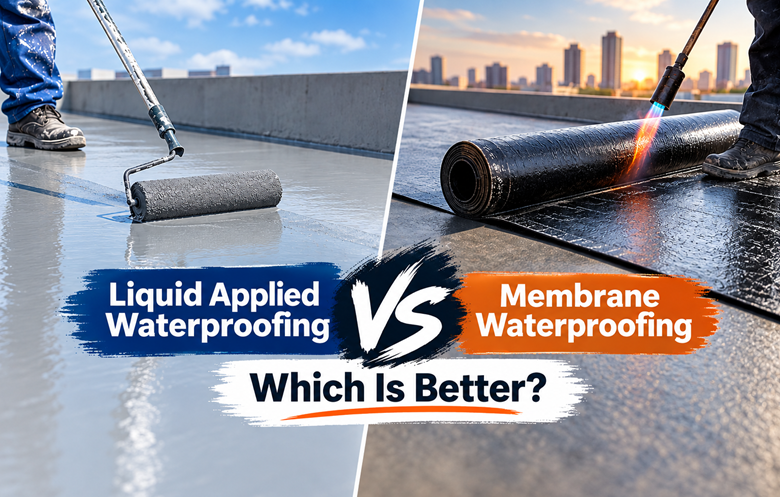
Liquid Applied Waterproofing Vs Membrane Waterproofing and Which Is Better?
Admin
23 Sep 2026
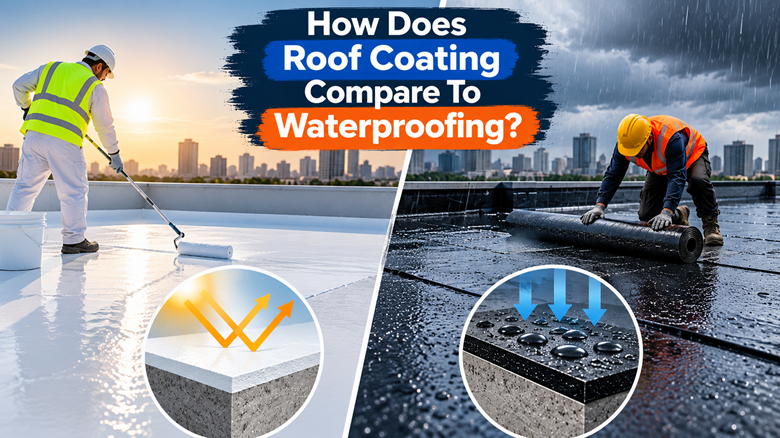
How Does Roof Coating Compare To Waterproofing?
Admin
20 Sep 2026
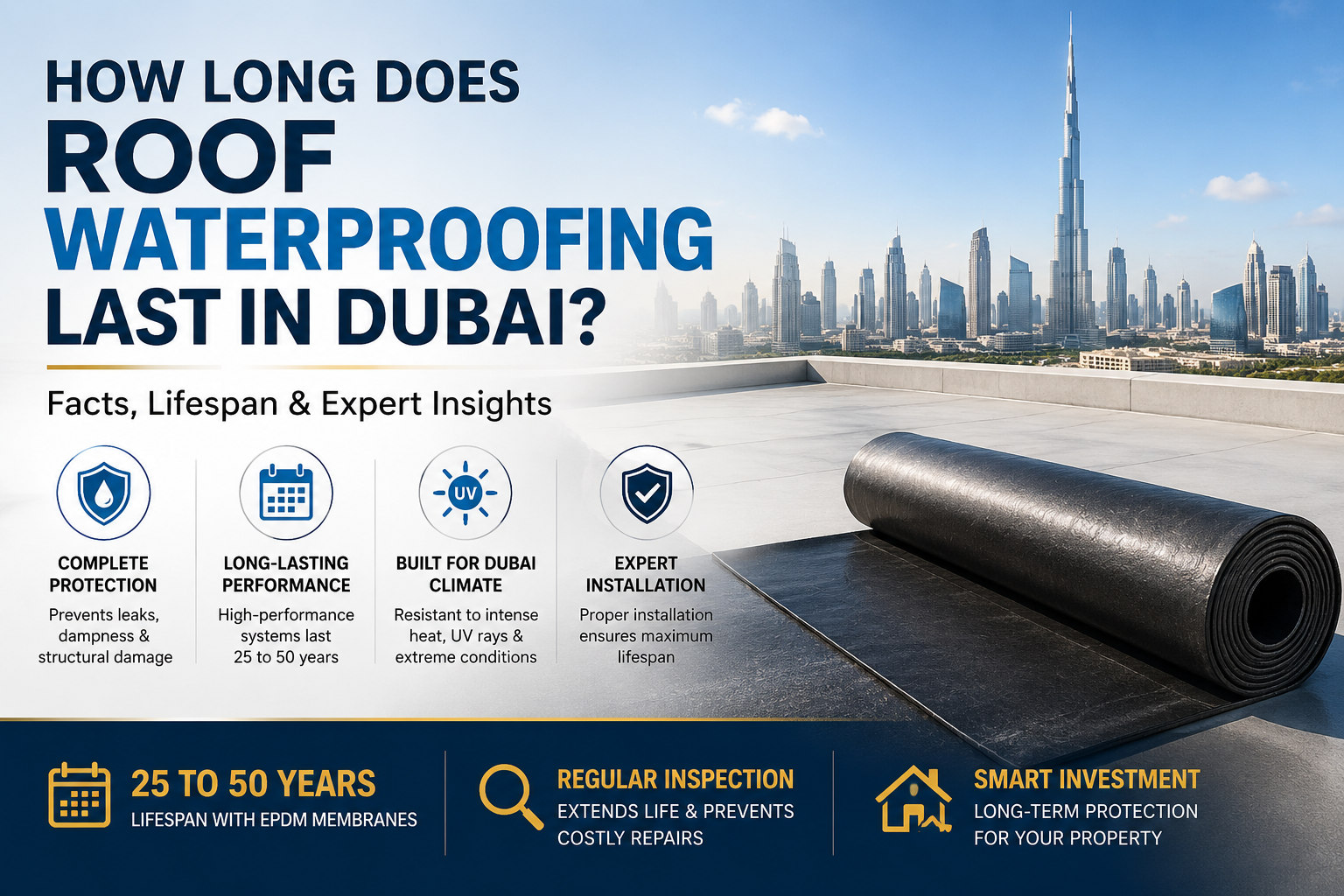
HOW LONG DOES ROOF WATERPROOFING LAST IN DUBAI?
Admin
25 Aug 2026
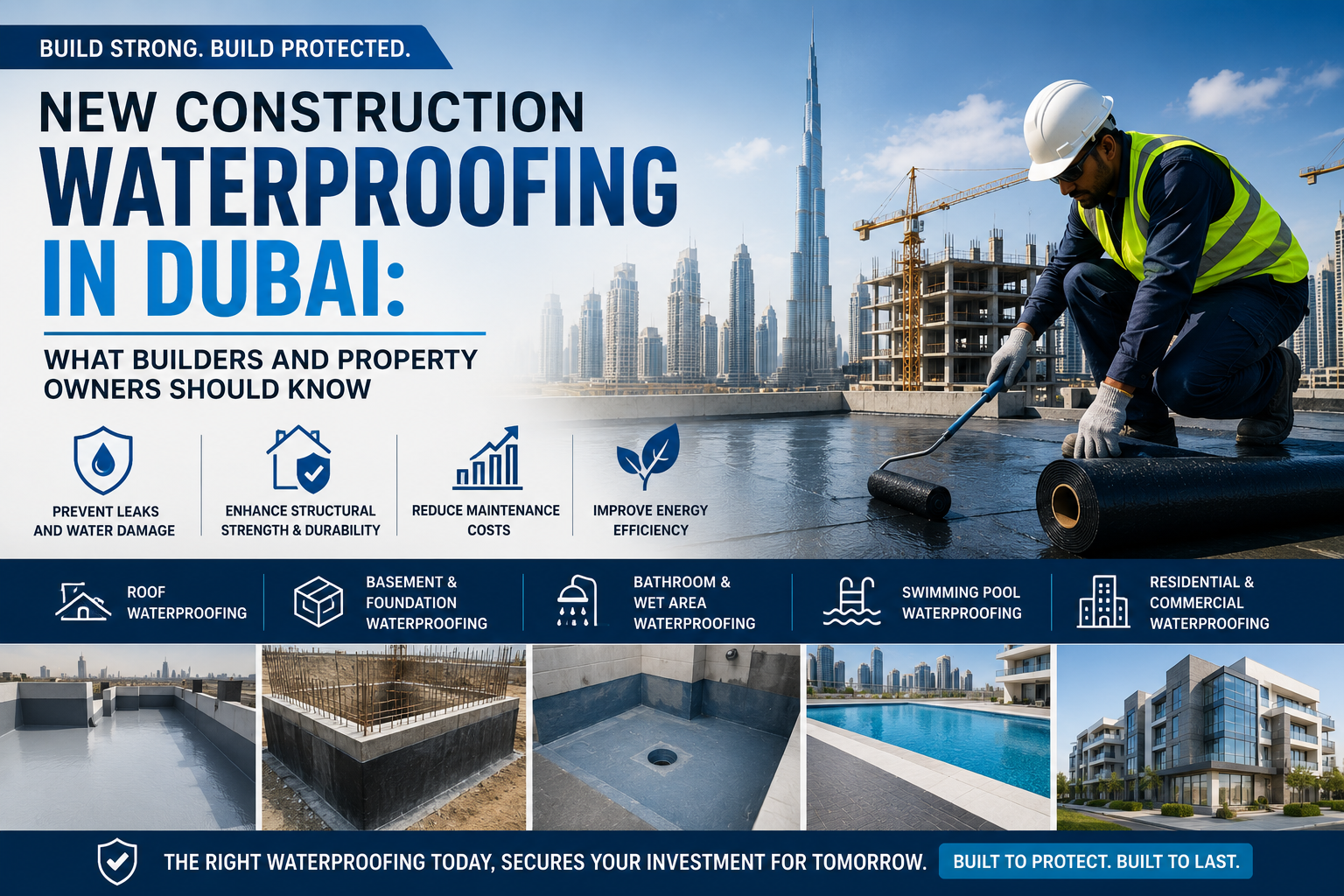
NEW CONSTRUCTION WATERPROOFING IN DUBAI: WHAT BUILDERS AND PROPERTY OWNERS SHOULD KNOW
Admin
24 Aug 2026
WHAT IS POLYURETHANE FLOORING? A COMPLETE GUIDE TO BENEFITS AND APPLICATIONS
Admin
30 Jul 2026
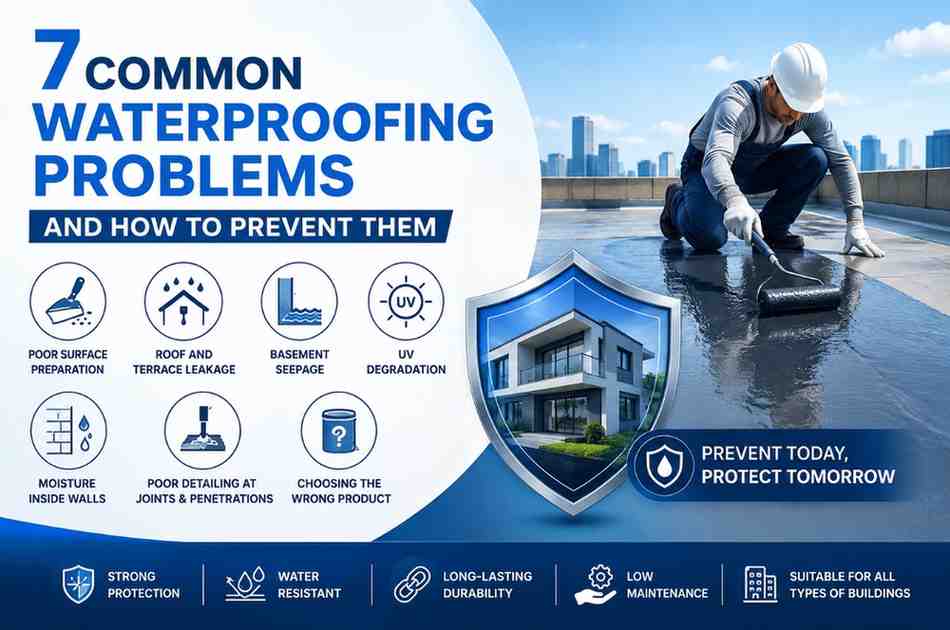
7 COMMON WATERPROOFING PROBLEMS IN BUILDINGS AND HOW TO PREVENT THEM
Admin
30 Jul 2026