
 Admin
 19 Nov 2026
In April 2024, parts of the UAE received more than a year’s worth of rain in a single day. Warehouses in Al Ain, Dubai and Sharjah suddenly had water dripping onto stock, panels and machinery. Most of those roofs were not damaged by the storm. They were simply built for sun, not for sudden downpours.
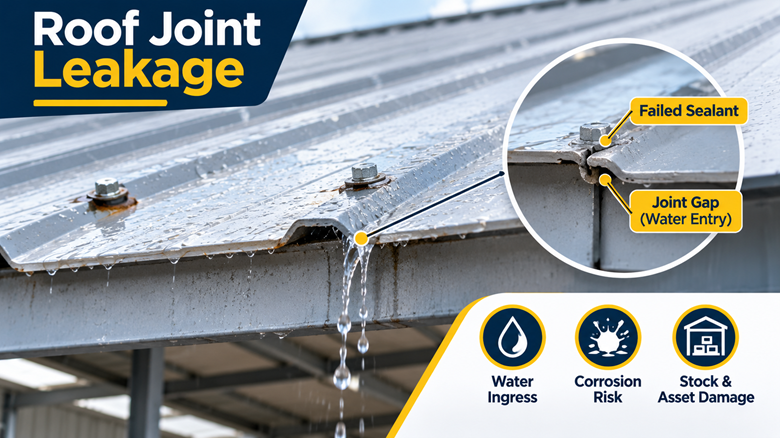
If you manage a factory, warehouse or logistics yard, you may have seen a smaller version of this. A stain near a skylight. A drip over a loading bay. Nearly always, the culprit is a joint or a fastener, not the sheet itself.
Why do roof joints and fasteners leak in the first place? A metal roof is a system of overlaps and holes. Every overlap and every screw is a possible entry point. The UAE makes this harder. In summer, a roof surface can reach 70 degrees Celsius or more, then cool sharply at night. Steel sheets expand and contract with each cycle, and a 30 metre sheet can shift by several millimetres. Over time, that movement loosens fasteners and cracks sealant.
Before any industrial roof leak repair, you need to find the real source. Water often travels along purlins before it drips, so the wet spot inside rarely sits below the actual hole. Walk the roof safely, ideally after sunrise when it is cooler, and look for:
A simple tip: mark each suspect point with chalk and photograph it. This gives your maintenance team a clear repair list and helps you track recurring problem areas.
Many teams simply smear sealant over a leaking screw. It stops the drip for a few weeks, then the leak returns. A proper fix works like this:
Joints need a material that can stretch, because the roof will keep moving. For side laps, a butyl tape placed between the sheets creates a compressed, flexible seal. For exposed seams and flashings, polyurethane or MS polymer sealants perform well in UAE heat. Silicone can work, but paint does not stick to it, which matters if you plan to recoat.
Surface preparation decides the result. Wire brush any rust, wipe away dust and oil, and make sure the metal is fully dry. Sealant applied over dust looks fine on day one and peels by the next rainy season.
For wider gaps or failed seams, a reinforced membrane or a liquid applied coating with fabric can bridge the area. It adds a continuous layer rather than relying on one thin bead.
Leaks are cheaper to prevent than to chase. A few habits make a real difference:
Some jobs are straightforward. Others are not. If leaks return after repairs, if several areas leak at once, or if you see corroded purlins and sagging sheets, the problem is bigger than a screw or a seam. Working at height on large industrial roofs also carries real risk, and your team may not have the access equipment or fall protection needed.
Most roof leaks in the UAE come down to the same things: movement, heat, ageing washers and weak sealing at joints. Find the true source, replace what has failed, use flexible materials, and inspect on a schedule. That approach protects your stock, your equipment and your uptime.
If your roof is showing signs of trouble, our team at Organix can inspect it, pinpoint the leak sources and recommend a repair plan that suits your building and budget. Get in touch today for a roof assessment before the next heavy rain finds the weak spot for you.
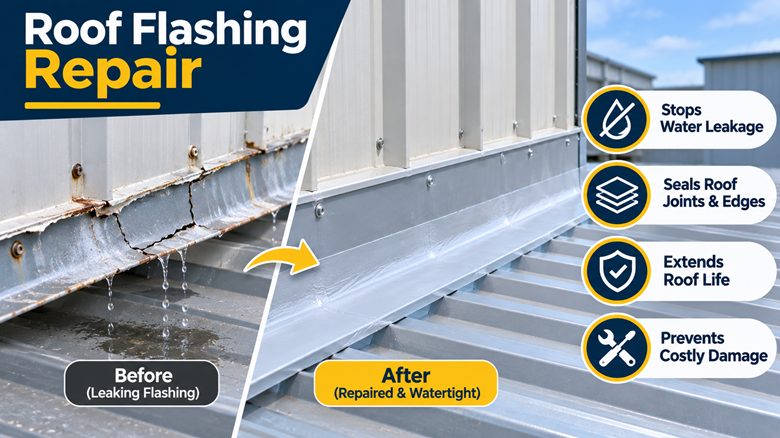
How To Repair Leaking Roof Flashing Around Industrial Buildings
Admin
19 Nov 2026
How To Stop Water Leakage From Industrial Roof Joints And Fasteners In The Uae
Admin
19 Nov 2026
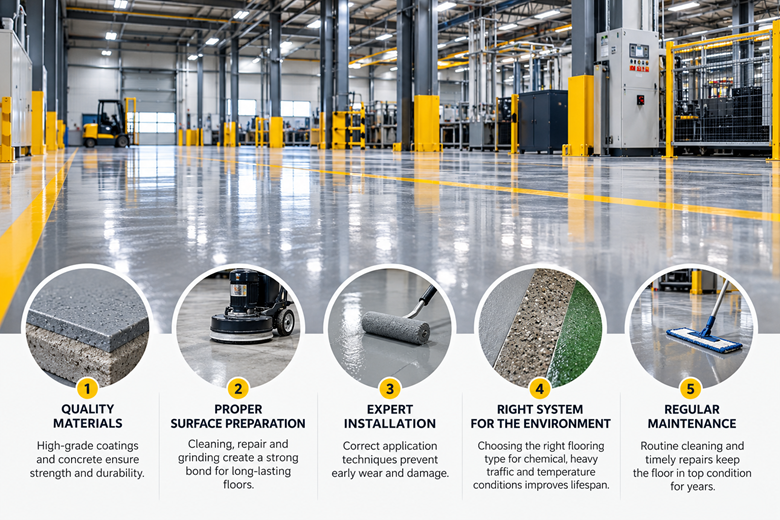
What Makes Some Industrial Floors Last Longer Than Others?
Admin
19 Oct 2026
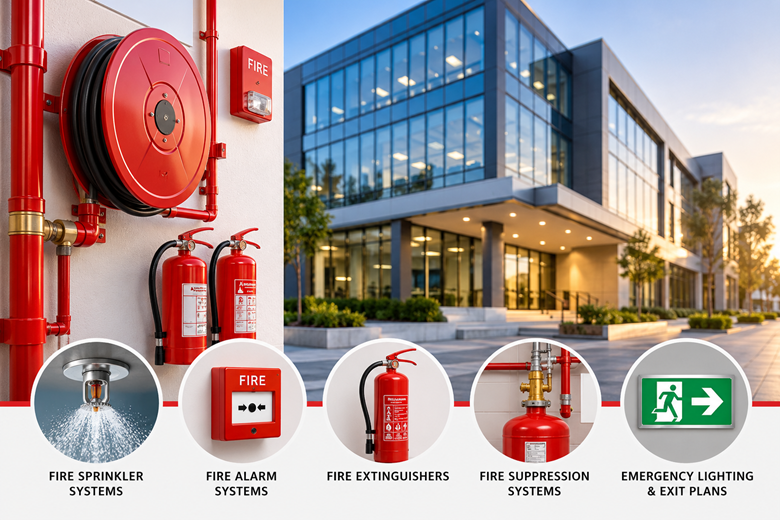
Fire Protection Methods For Commercial Buildings: What Every Owner Should Know
Admin
18 Oct 2026
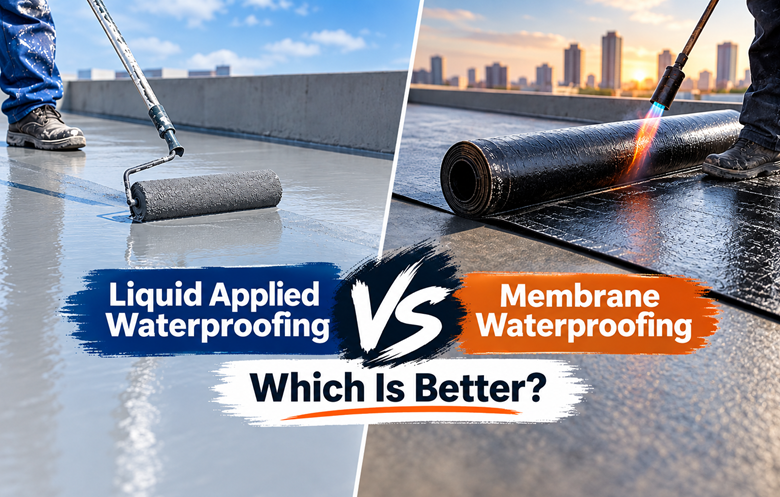
Liquid Applied Waterproofing Vs Membrane Waterproofing and Which Is Better?
Admin
23 Sep 2026
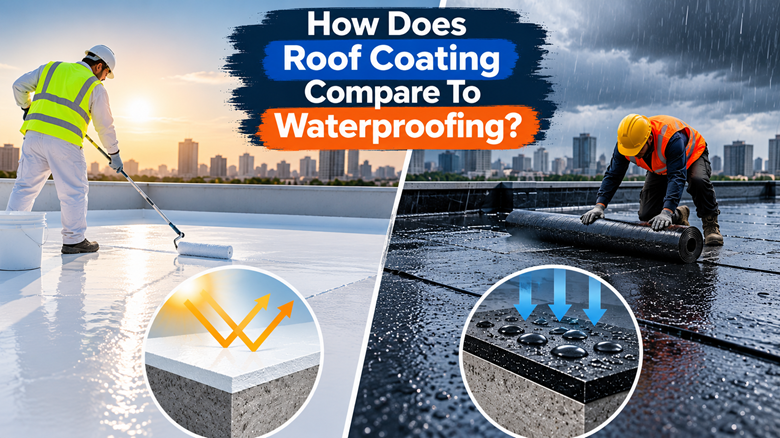
How Does Roof Coating Compare To Waterproofing?
Admin
20 Sep 2026