
 Admin
Admin
 20 Sep 2026
Most of us don’t think about our roofs until something goes wrong. A leak forms on the ceiling, a wet spot forms on a wall or that spot in the office corner smells musty after a rainy night in Dubai.
Then let’s simplify it for you in simple terms.
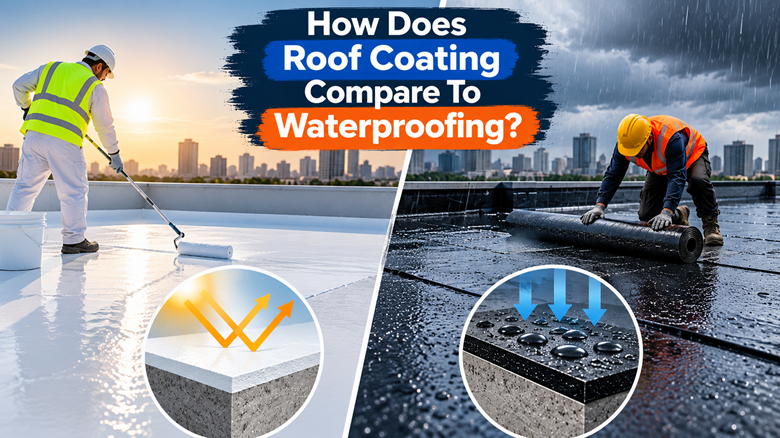
This is where it can get a little bit complicated. Waterproofing properties can be provided by a roof coating. In fact, there are some high-tech roof coatings that actually create a waterproof membrane and are especially created for waterproofing purposes.
But not all roof coatings are a full roof water proofing system.
It is usually a question of what the system is intended to accomplish. A basic protective coating can be used to protect surfaces, block heat and UV rays, or simply prolong the life of an existing roof. A specific waterproofing system is built up to prevent water from entering and to provide a seamless waterproofing layer over the roof surface, including at joints, cracks, edges and other weak points.
Therefore, it is best to consider the performance and function of the system, instead of selecting a product because it is referred to as a coating or a waterproofing.
Roof coating is like applying sunscreen to your roof. It lies on top of the surface and shields it from the sun, heat and general wear and tear. Instead, Waterproofing for Existing Roofs are similar to a raincoat. It is primarily used for waterproofing purposes. Period.
Yes, there are products which do some of both. However, they’re designed for different reasons and the one you don’t choose will be like putting on your Sunscreen on a day when the storm is raging, you will get soaked.
A roof coating is a coating that is applied to the surface of your current roof. It is typically liquid in form and forms a protective coating when it dries.
Its main jobs are:
Reflects heat – big difference in the summer months in Dubai!
When your roof is structurally sound, but simply requires some protection and a spruce up, coating is frequently the wise choice.
Waterproofing for Roof Surfaces is a more critical, more extensive system. It isn’t merely sitting on top but is engineered to provide a water-tight barrier to prevent water from entering your roof system.
The team of Organix Building System, who have been doing this in Dubai since 1985, says that waterproofing is a full process and nothing can be done in a hurry:
Step 1 : Roof assessment — checking the substrate, existing waterproofing, drainage, and potential leak points
Step 2 : Surface preparation — clearing away loose material, dirt, and damaged areas
Step 3 : Detail treatment — giving extra attention to joints, cracks, penetrations, flashing, and drains
Step 4: Waterproofing application — applying the chosen system (membranes, liquid coatings, or cementitious solutions)
Finally Step 5 : Final inspection — checking everything before calling it done
The materials used in waterproofing include bitumen, PVC, TPO, and EPDM (heavy-duty stuff engineered to handle serious weather).
In the UAE, everything is done in style and the weather is no exception. Several months of continuous exposure to the sun and UV rays and some sporadic heavy rainfalls that come seemingly out of nowhere. This combination is the worst for roofs.
This can cause cracks to form in traditional waterproofing systems, which lose their flexibility. That is where the material that you choose is crucial. For instance, EPDM membranes are well known for maintaining their flexibility and resistance to UV, ozone and heat exposure for years.
If you are interested in gaining further insights on this, there is an excellent breakdown on how long waterproofing lasts that explains the lifespan of different waterproofing systems. The quick answer: If you’re looking for longevity, a cheap liquid membrane could provide you with 3 to 5 years of service. A well-designed EPDM system can provide you 25-50. That isn’t just a little difference; it’s the difference between having to replace your roof every few years and not really having to worry about your roof at all.
Consider the following questions:
Go with coating if:
If you are going to use waterproofing:
Your building is commercial or industrial and can’t afford downtime
And honestly? If you’re not sure, get a professional assessment. A proper inspection will tell you know what your roof needs and will save you from spending money on the wrong repair.
Coating protects and reflects. A waterproof seal protects and defends against water.
Both are necessary at some stage, but waterproofing is a must for any building in Dubai’s climate to prevent structural damage, mould and expensive repair works in the long run.
Don’t wait for the next rainfall to make a decision for you if your roof is giving trouble. Get it checked, get it done right, and then get back to not thinking about your roof for another couple of decades.
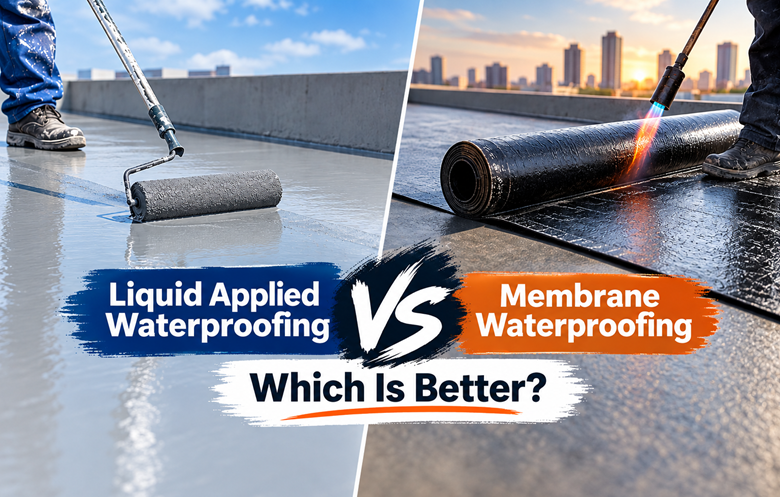
Liquid Applied Waterproofing Vs Membrane Waterproofing and Which Is Better?
Admin
23 Sep 2026
How Does Roof Coating Compare To Waterproofing?
Admin
20 Sep 2026
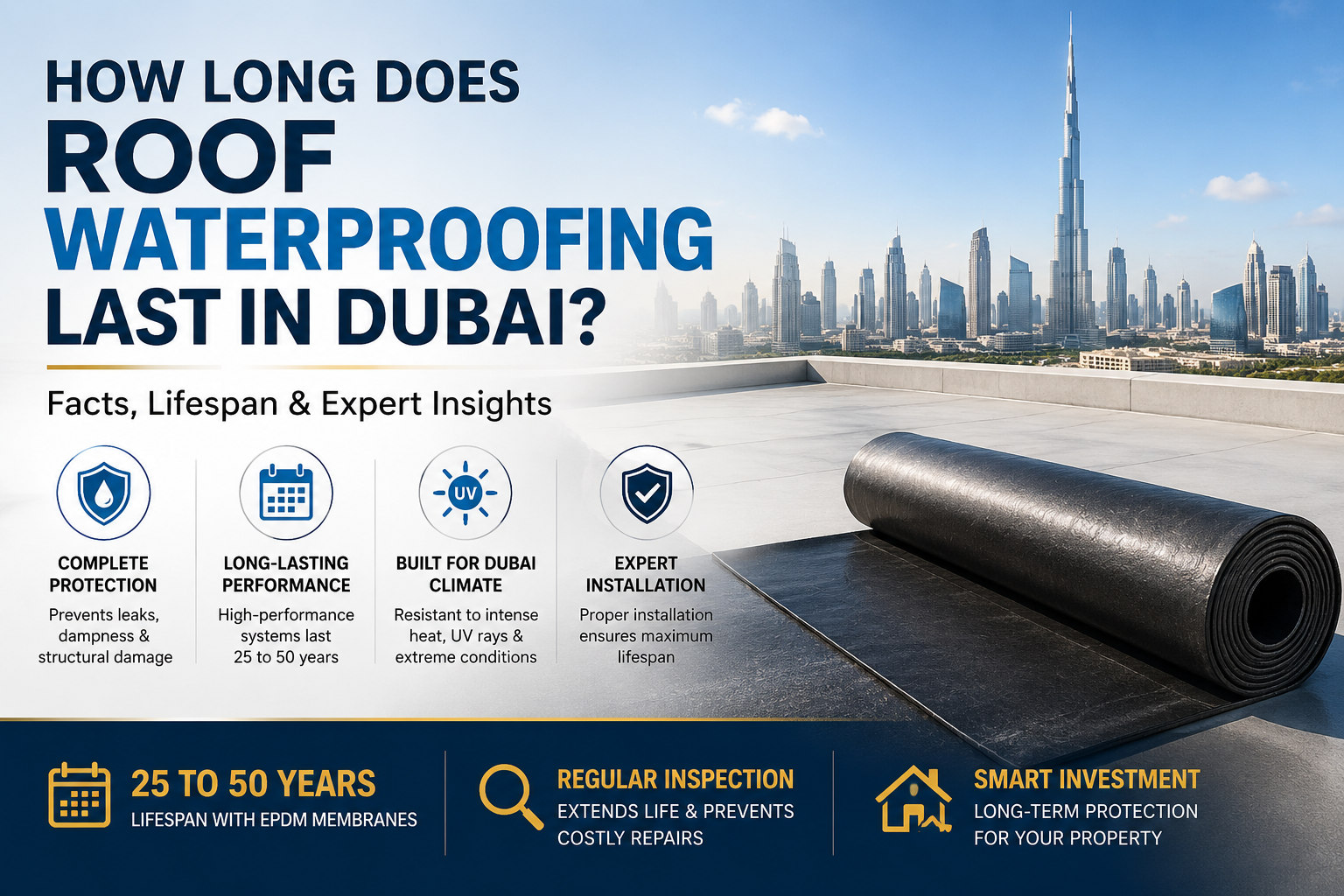
HOW LONG DOES ROOF WATERPROOFING LAST IN DUBAI?
Admin
25 Aug 2026
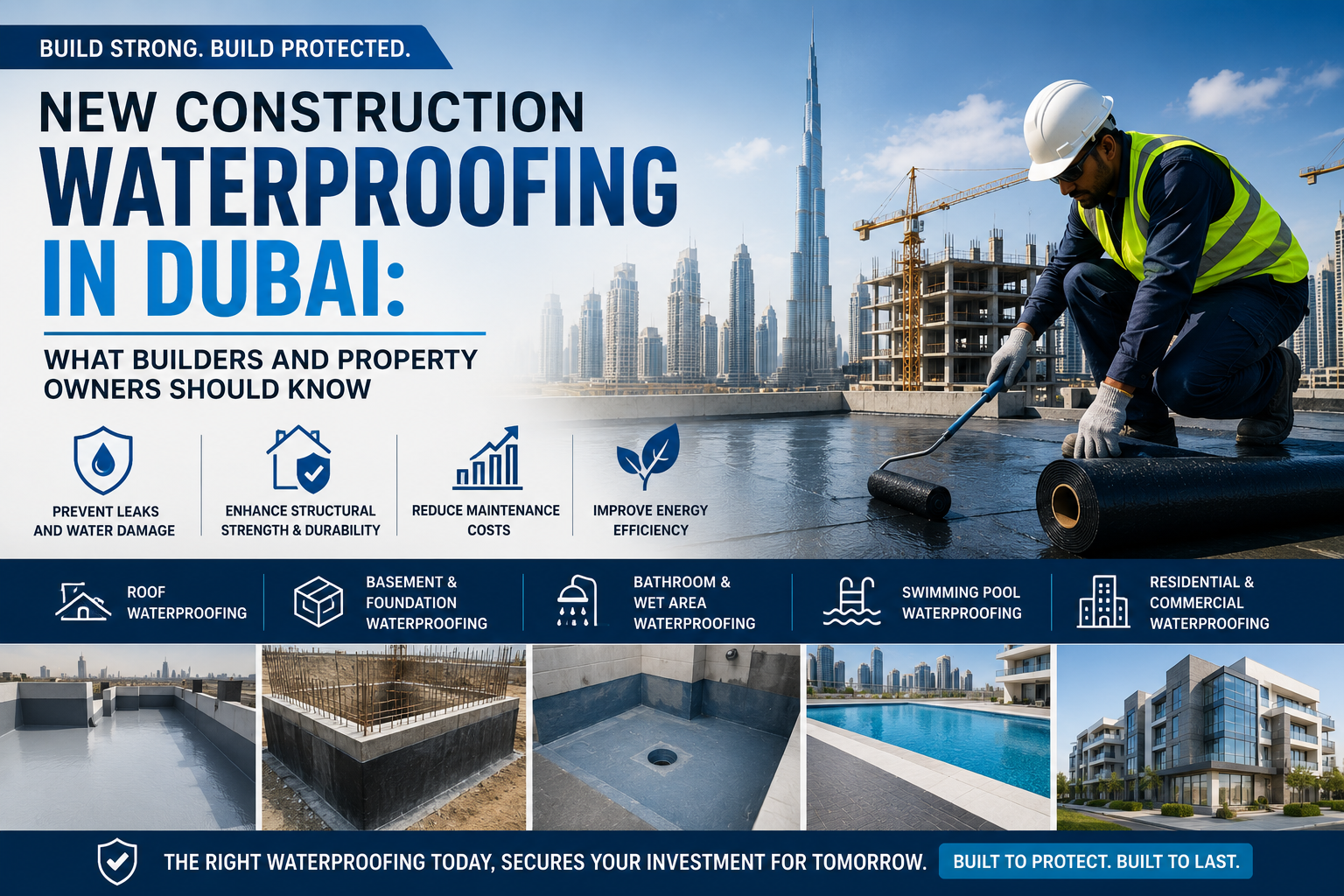
NEW CONSTRUCTION WATERPROOFING IN DUBAI: WHAT BUILDERS AND PROPERTY OWNERS SHOULD KNOW
Admin
24 Aug 2026
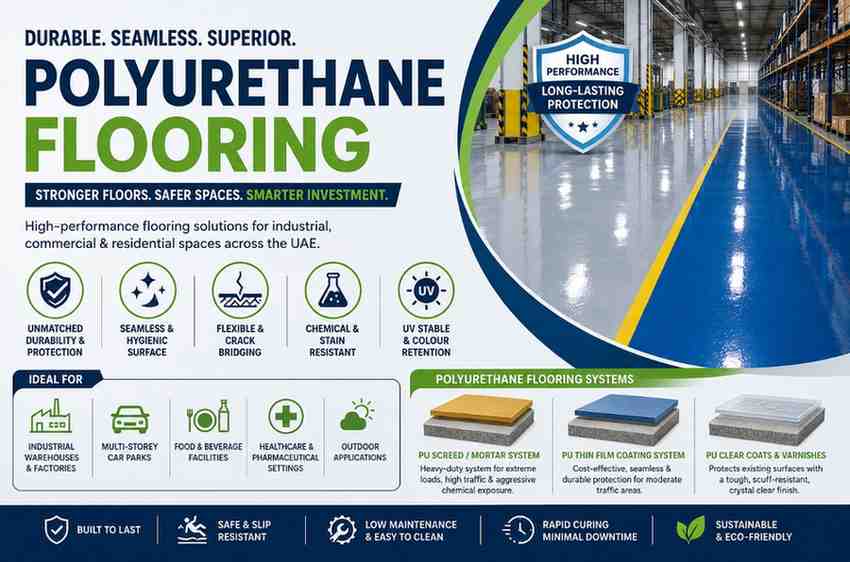
WHAT IS POLYURETHANE FLOORING? A COMPLETE GUIDE TO BENEFITS AND APPLICATIONS
Admin
30 Jul 2026
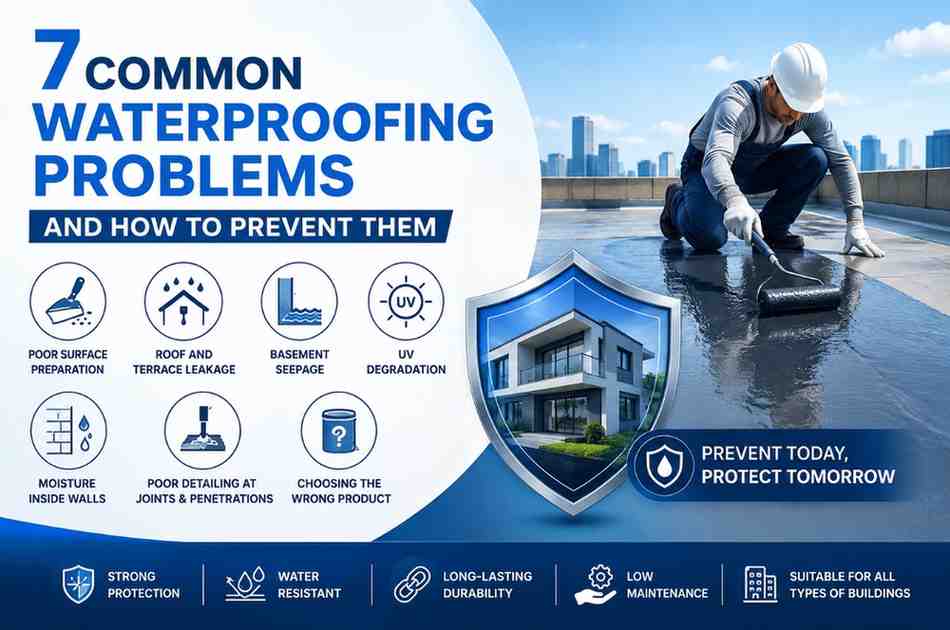
7 COMMON WATERPROOFING PROBLEMS IN BUILDINGS AND HOW TO PREVENT THEM
Admin
30 Jul 2026