

 Admin
Admin
 26 Feb 2026
We all live here, we all feel that intense sun baking into our walls, turning our buildings into ovens that our cooling systems fight 24/7. But what if your building’s walls could actively repel that heat instead of absorbing it? What if the solution wasn’t a bulky layer of traditional insulation, but a smart, protective skin? That’s exactly what we’re going to explore. By the end of this post, you’ll not only understand this revolutionary technology, but you’ll see your building in a whole new light. We promise you’ll have the knowledge to make a smarter, more sustainable choice for your property.
A thermal insulation coating is not just regular paint. Think of it as a high-tech, liquid shield that you apply to surfaces like roofs, walls, or industrial tanks. Once it cures, it forms a durable, elastomeric membrane with exceptional insulating properties. Unlike traditional insulation like foam boards or fiberglass that primarily resist heat transfer, a high-quality thermal coating works by reflecting a massive portion of the sun’s radiant heat away and by providing a barrier that slows down conductive heat gain. For us in the UAE, this means the intense solar radiation that typically soaks into concrete and metal is sent back into the atmosphere, drastically reducing the surface temperature.
At its core, a top-tier heat-resistant coating is a carefully engineered system. The heroes are tiny, hollow ceramic microspheres suspended within a high-performance resin base, like acrylic or silicone. These microspheres are crucial. They create a matrix of millions of tiny air pockets, and as you know, air is a fantastic insulator. This structure is what gives the coating its lightweight yet powerful insulating character. Combined with special reflective pigments that bounce away infrared rays, these components work in synergy.
The process of how thermal insulation works with these coatings is a brilliant dance of three scientific principles: reflection, resistance, and emission. First, the reflective pigments act like a mirror for the sun’s infrared energy, deflecting it away. This is the first and most impactful line of defence, significantly lowering surface temperature. Second, the ceramic microsphere matrix provides a tough, resistant barrier to heat moving by conduction. Even as some heat energy is absorbed, it struggles to travel through this labyrinth of insulated pockets to the substrate beneath. Finally, the coating is designed to efficiently re-radiate or emit any absorbed heat back out into the air at night, allowing the structure to cool down. This triple-action mechanism makes a thermal protective coating an active system, not just a passive layer.
• Direct savings on your electricity bills
• Cooler indoor temperatures
• Reduced load on AC systems
• Protection against condensation
• Improved structural integrity
• UV protection and surface durability
• Industrial process efficiency
• Reduced corrosion under insulation
• Lower carbon footprint
• Long-term cost efficiency
The applications are vast. For commercial and residential buildings, the prime targets are flat concrete roofs, walls (especially west-facing ones), and metal structures like warehouses and hangars. In our industrial sector, these coatings are game-changers for storage tanks, pipelines, and process vessels, maintaining consistent temperatures of their contents. They are perfect for protecting sensitive equipment rooms or any facility where heat gain is a costly problem. Essentially, if a surface is facing the sun and contributing to your heat load, it’s a candidate for a thermal insulation coating.
To get the full benefit, proper application is key.
First, surface preparation is non-negotiable. The substrate must be clean, sound, and free of dust, oil, or old flaking paint. A primer is often recommended for optimal adhesion. Application is typically done by airless spray to achieve the correct mil thickness; applying it too thin is the most common mistake that compromises performance. Follow the manufacturer’s guidelines for ambient temperature and humidity during application. For maintenance, the good news is that these coatings are incredibly tough. A simple annual wash with water to remove dust and sand buildup will ensure its reflective properties remain at their peak, guaranteeing your investment pays off for a decade or more.
Ready to transform your building from a heat absorber into a heat reflector?
What Is Thermal Insulation Coating And How Does It Work?
Admin
26 Feb 2026

What Is Epoxy Flooring? Types, Benefits & Best Choices
Admin
25 Feb 2026
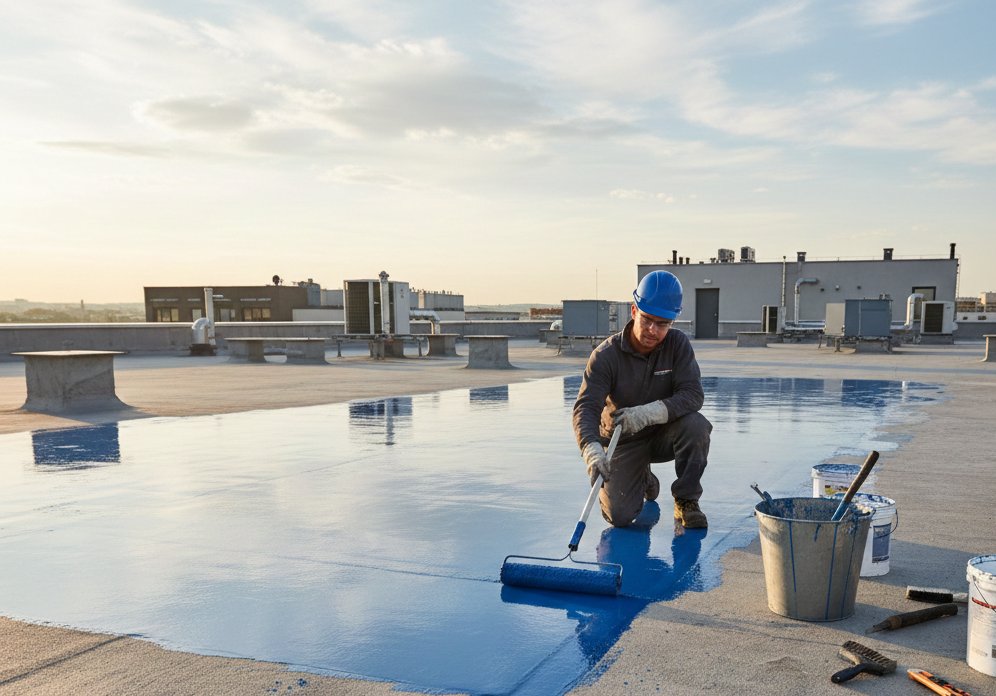
What Is Polyurethane Waterproofing and How It Works
Admin
28 Jan 2026
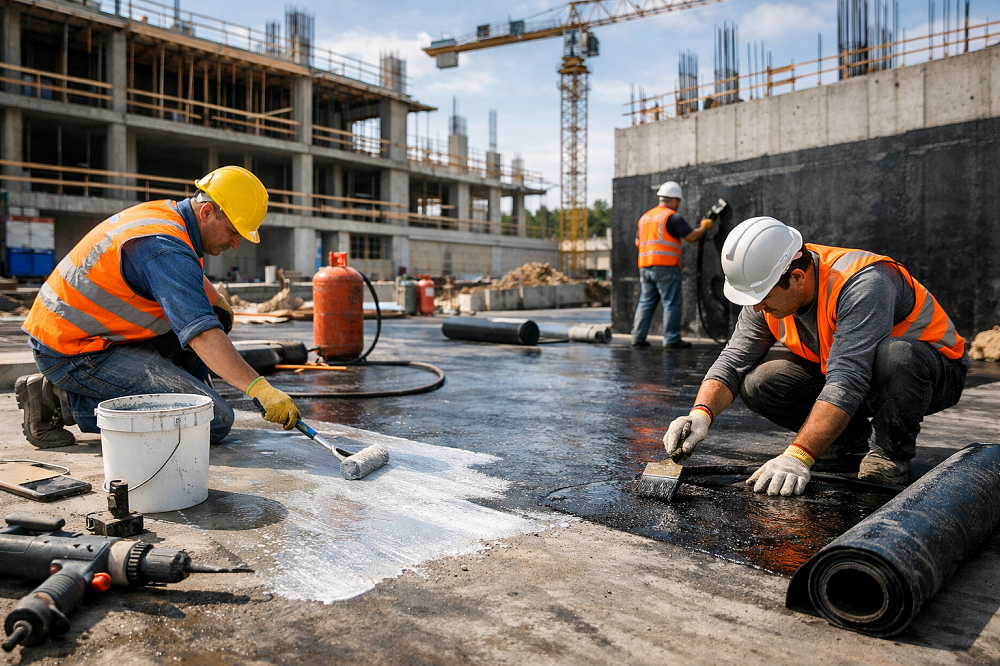
What Is Construction Chemical and Why It Is Important
Admin
28 Jan 2026
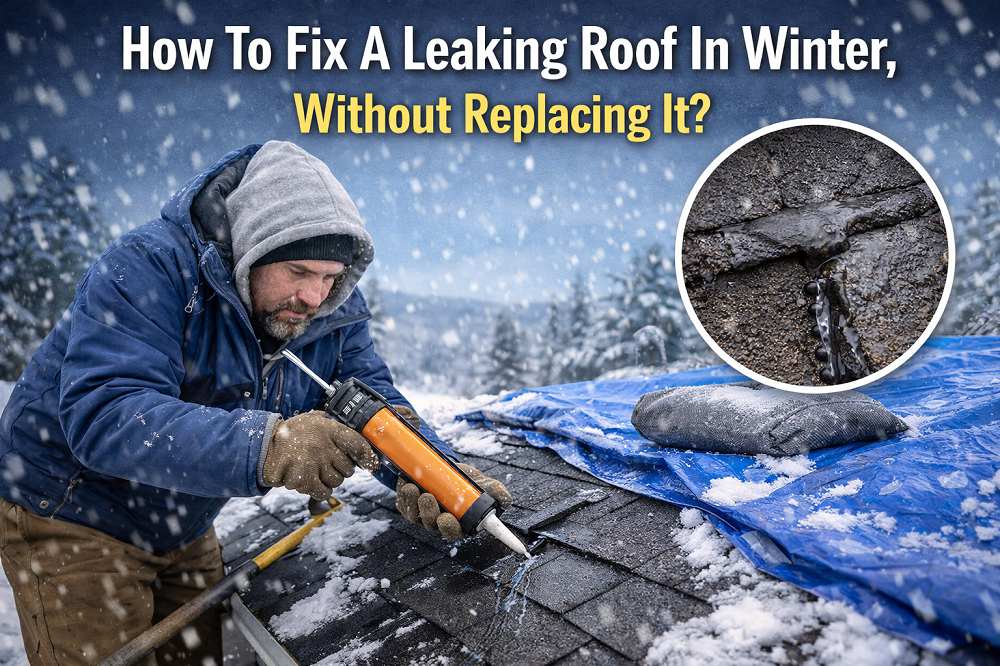
How To Fix A Leaking Roof In Winter, Without Replacing It?
Admin
24 Dec 2025
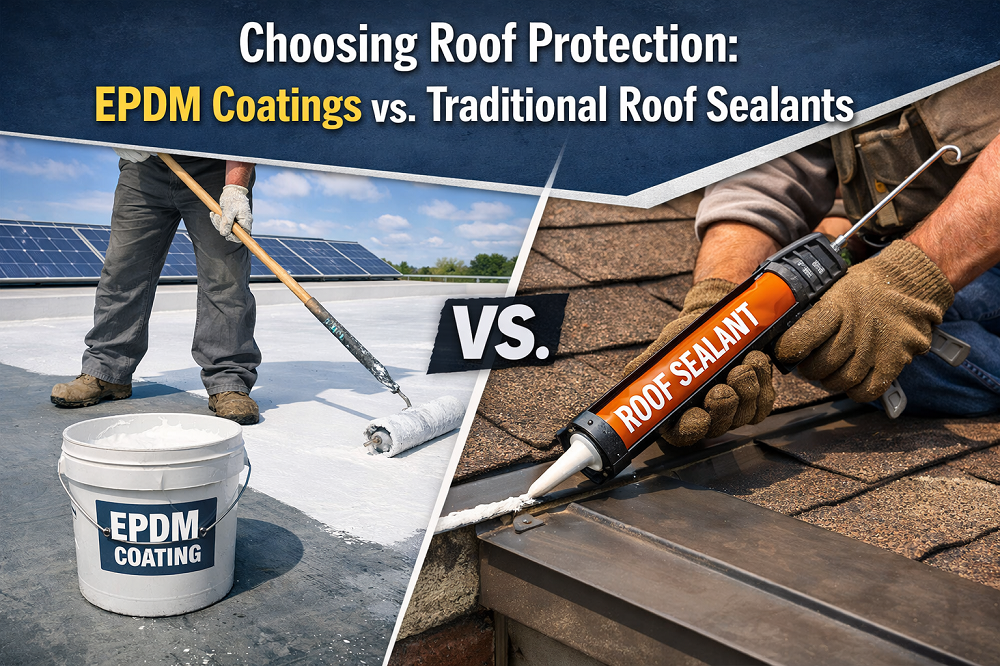
Choosing Roof Protection: Epdm Coatings Vs. Traditional Roof Sealants
Admin
24 Dec 2025