
 Admin
Admin
 28 Jan 2026
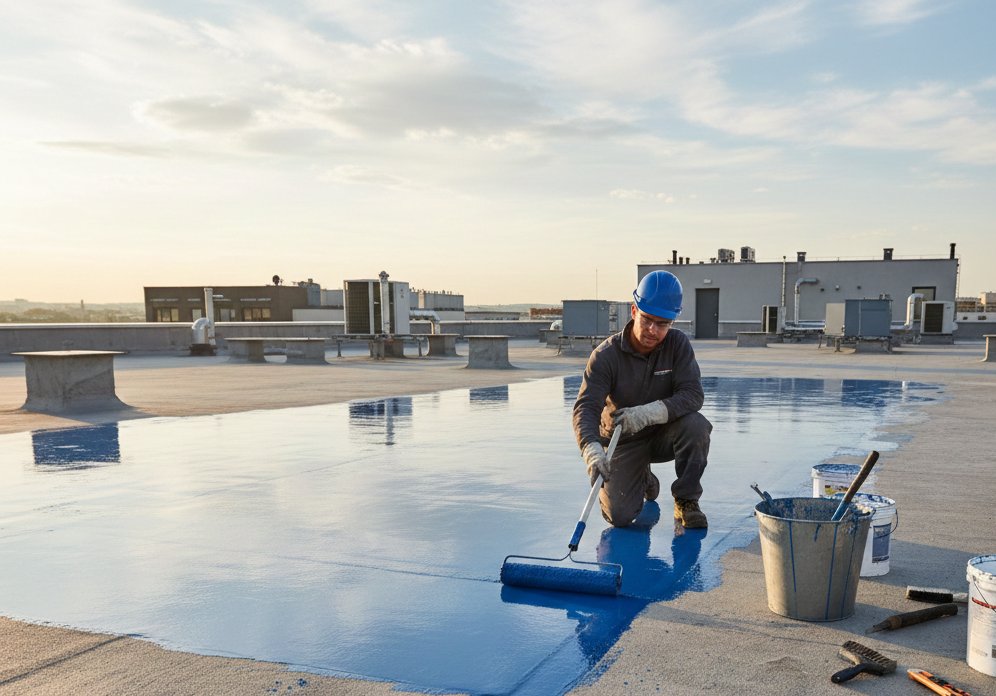
Polyurethane Waterproofing is a liquid-applied waterproofing system that cures to form a seamless, flexible, and durable membrane. Once applied, it chemically reacts to form a continuous, seamless, rubber-like blanket over your surface. Unlike traditional methods that come in sheets or rolls, this liquid nature is its superpower; it can conform to any shape, detail, or complex area without seams, which are common failure points.
The magic is in the chemistry. Polyurethane Waterproofing works through a chemical curing process. After application, the liquid reacts with moisture or a curing agent and transforms into a solid elastomeric membrane. This membrane adheres tightly to concrete, metal screed, and other prepared surfaces.
At Organix Building System, we focus on systems that penetrate surface pores and create strong mechanical and chemical bonds. Once cured, the membrane acts as a waterproof shield while still allowing limited vapor permeability when required. This balance is critical in preventing trapped moisture-related failures.
• Seamless: No joints, no laps, no weak links.
• Exceptional Flexibility & Elongation: It can stretch (often over 400%) and return to its original shape without tearing, accommodating structural movement.
• Superior Adhesion: It bonds chemically and mechanically to concrete, metal, wood, and other substrates.
• High Tensile Strength: It’s resistant to punctures and abrasions.
• Weather & UV Resistant: Quality systems are formulated to withstand intense sunlight without degrading.
The benefits directly address our common pain points:
• Seamless perfection: Eliminates leak-prone joints.
• Movement-friendly: Moves with your building, preventing cracks.
• Rapid curing: Many systems are walkable in hours, speeding up projects.
• Durability: Offers a long, maintenance-free service life.
• Versatility: Perfect for complex geometries like planters, curved walls, and intricate drainage areas.
In our projects, we consistently specify and apply polyurethane waterproofing for:
• Terrace gardens & podium slabs
• Balconies & external wet areas
• Basement walls & slabs
• Water tanks & reservoirs
• Bridge decks and parking garages
Bituminous membranes (like torch-on felt) can become brittle and are hot-work intensive. Cementitious coatings are rigid and can crack. PVC/TPO sheets have seams that can fail. Polyurethane waterproofing system stands out by combining the best of all worlds: the seamlessness of a liquid, the flexibility of an elastomer, and the durability of a high-performance polymer, all with cold application.
While every waterproofing system must handle exposure, polyurethane waterproofing performs well under thermal cycling and prolonged exposure when correctly specified and protected. Its elastic nature allows it to maintain integrity despite expansion and contraction.
A high-quality polyurethane membrane’s flexibility at low temperatures and stability at high temperatures (often exceeding 80°C) make it uniquely suited to perform year-round without becoming brittle in winter or melting in summer heat.
One of its greatest advantages is low maintenance. When correctly specified and applied by experts, a polyurethane waterproofing system can easily provide a service life of 20+ years. Routine maintenance simply involves visual inspections, especially after extreme events, and keeping drainage paths clear.
Not all systems are equal. Your choice must consider:
• Substrate Type: Concrete, metal, masonry?
• Exposure Conditions: Will it be submerged, trafficked, or exposed to UV?
• Application Method: Spray, roller, or trowel?
• Certifications: Does it have relevant approvals for the region?
This is where expertise matters. A technical partner like Organix Building System doesn’t just sell a product; we provide a specification and application guarantee tailored to your project’s precise needs.
Polyurethane Waterproofing is not just a product choice; it is a strategic decision that impacts the longevity of your building. When designed, applied, and maintained correctly, it offers a seamless, flexible, and durable barrier against water ingress.
Your building deserves a defence system as robust as the vision that created it. At Organix Building System, we believe in solutions that are as smart and enduring as the structures they protect. If the thought of invisible seams, relentless flexibility, and decades of quiet protection resonates with you, then it’s time to explore this modern standard.
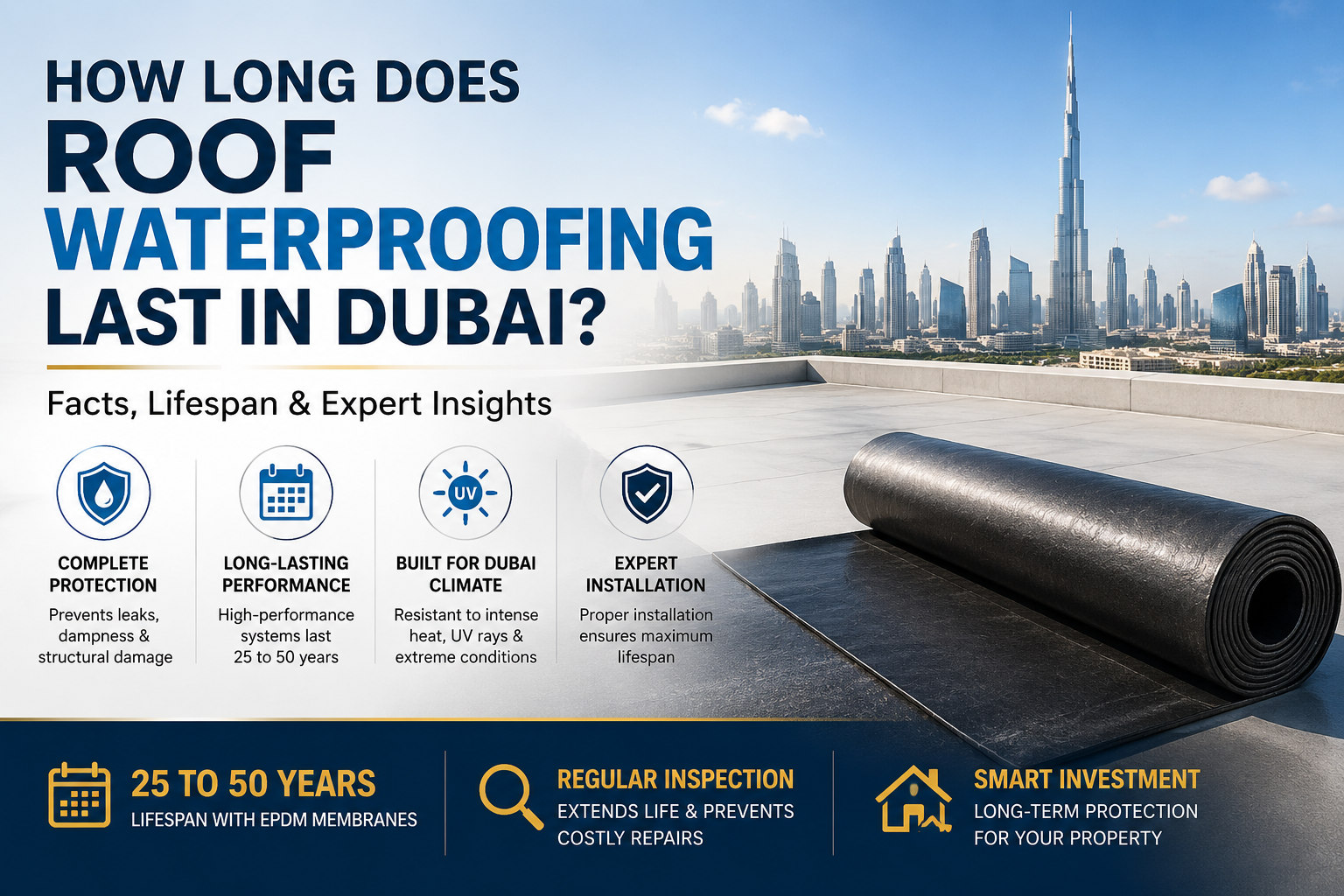
HOW LONG DOES ROOF WATERPROOFING LAST IN DUBAI?
Admin
25 Aug 2026
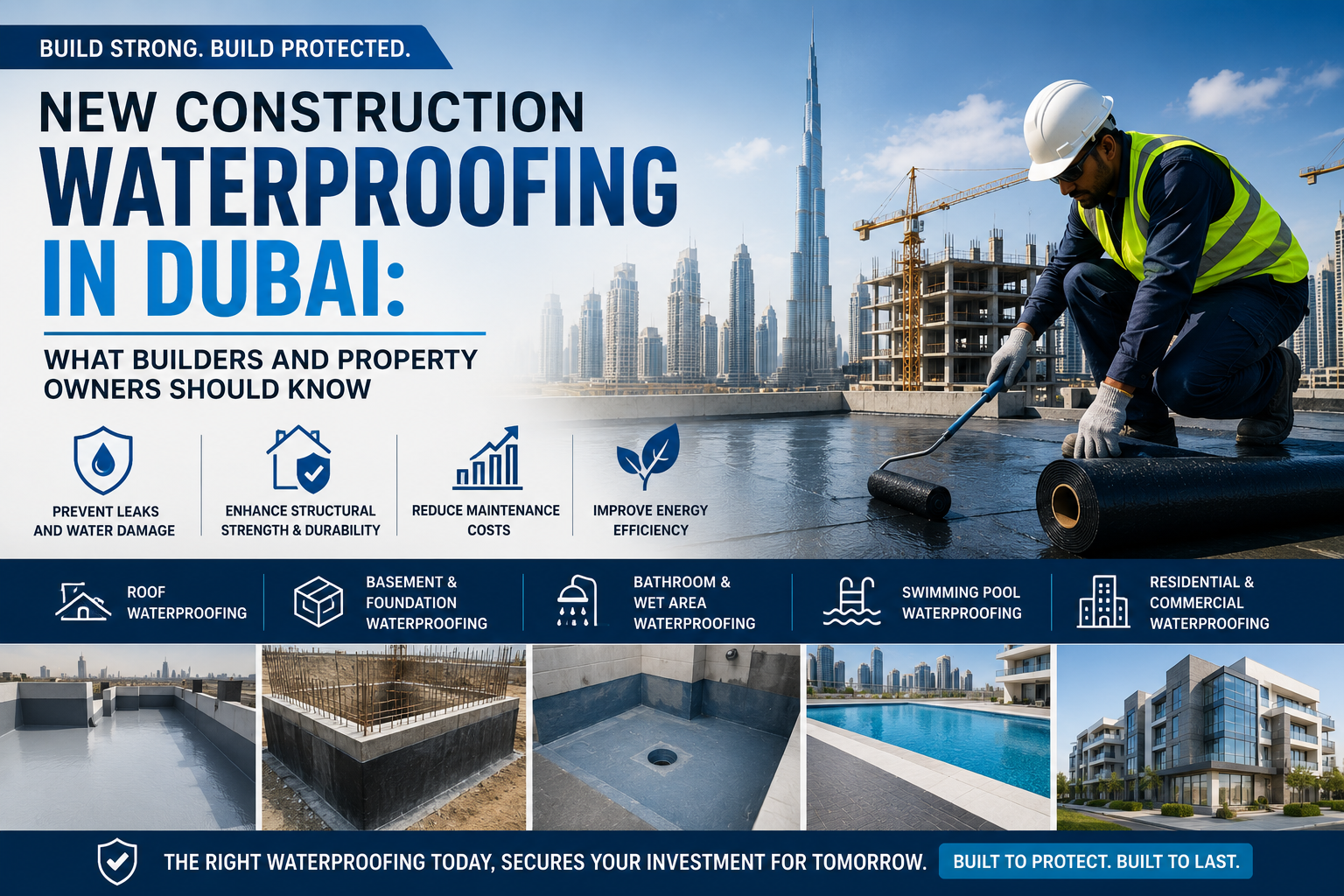
NEW CONSTRUCTION WATERPROOFING IN DUBAI: WHAT BUILDERS AND PROPERTY OWNERS SHOULD KNOW
Admin
24 Aug 2026
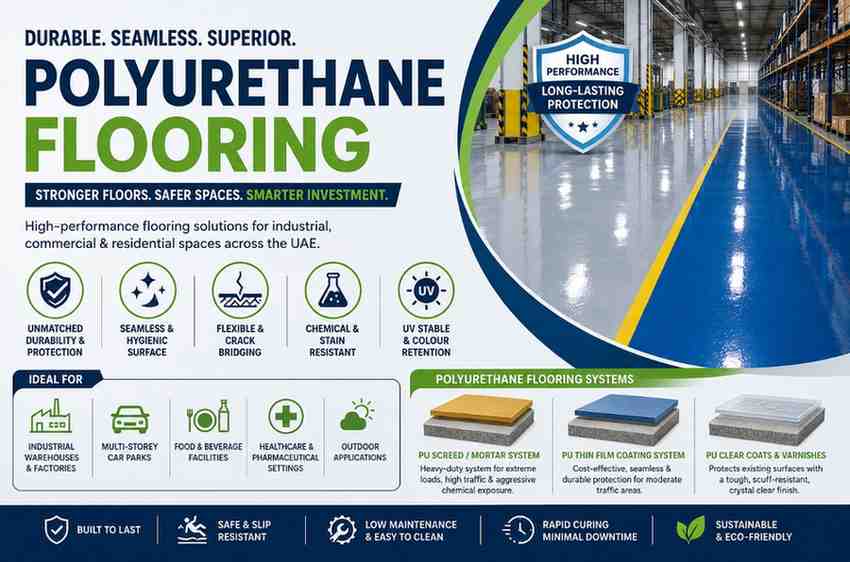
WHAT IS POLYURETHANE FLOORING? A COMPLETE GUIDE TO BENEFITS AND APPLICATIONS
Admin
30 Jul 2026
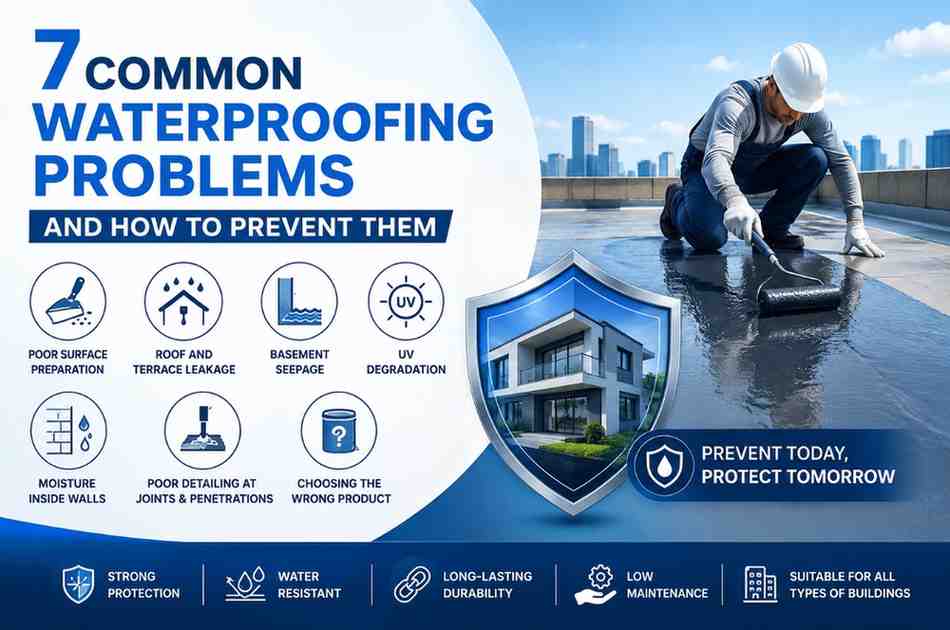
7 COMMON WATERPROOFING PROBLEMS IN BUILDINGS AND HOW TO PREVENT THEM
Admin
30 Jul 2026
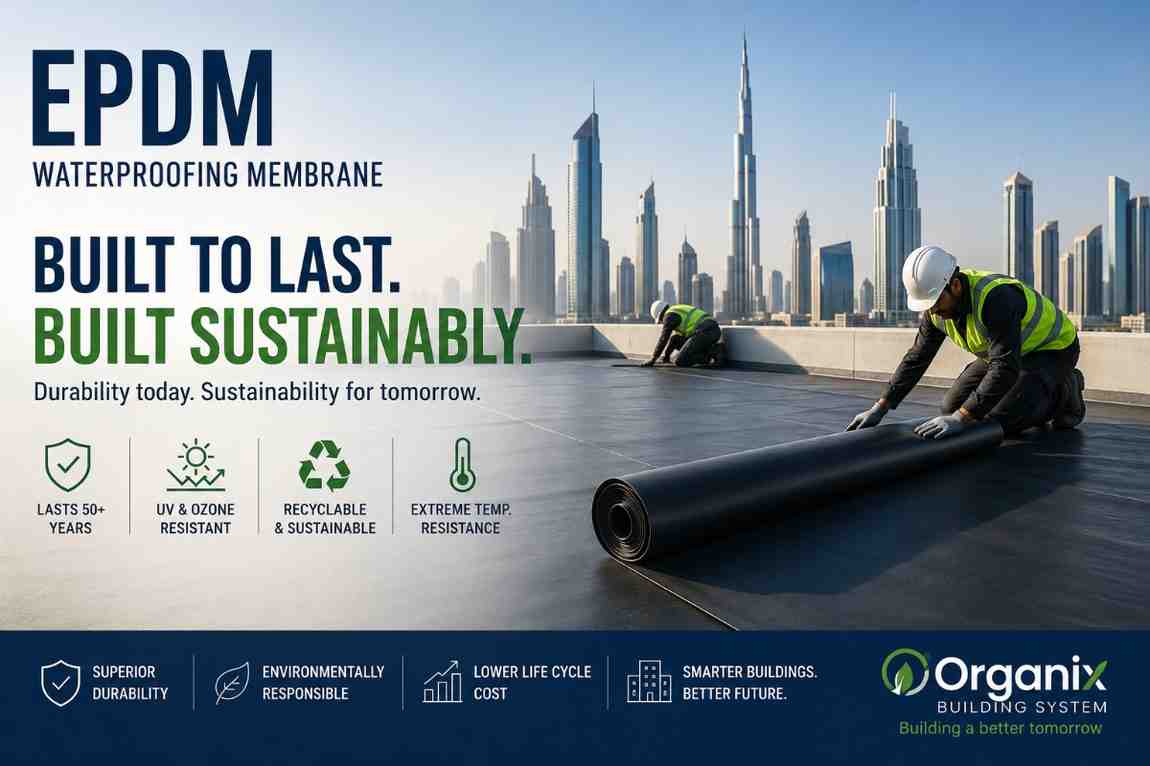
How Epdm Membrane Manufacturers Are Improving Durability And Sustainability For Modern Construction Projects
Admin
29 Jun 2026
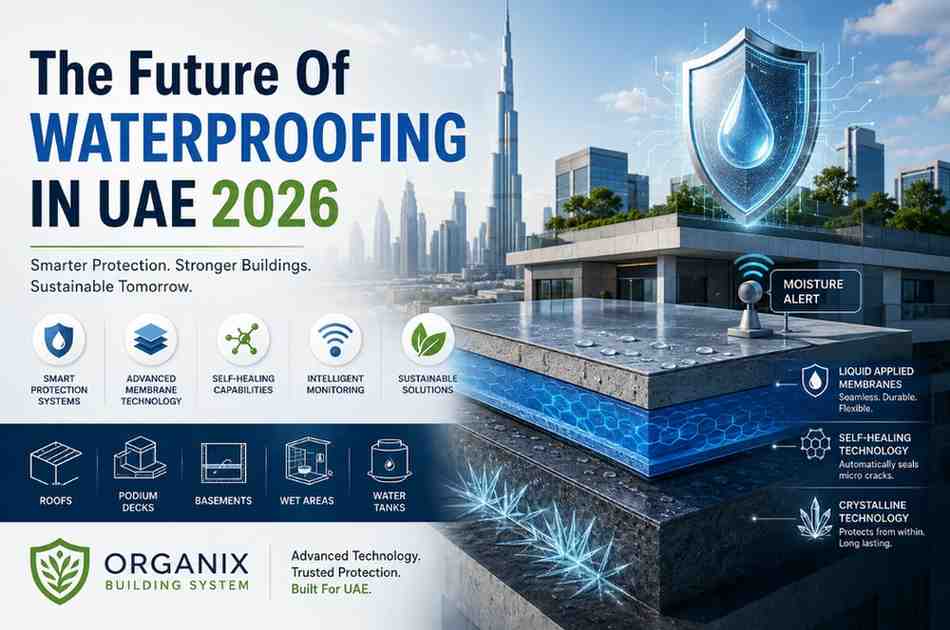
Waterproofing Dubai 2026: New Technologies Every Property Owner Should Know About
Admin
29 Jun 2026